Explore

Need help with your project?

Oops! Something went wrong while submitting the form.
With our MVP development services, you’ll be able to: test the business model and target audience’s demand; save money by implementing only the core features; launch a scalable product; get support in attracting investments
                                                    .**.
                                                   .*@@*.
                                                  .#@@@@#.
                                                 .#@@@@@@#.
                                                .#@@@@@@@@#.
                                               .#@@@@@@@@@@#.
                                              .%@@@@@@@@@@@@%.
                                             .%@@@@@@@@@@@@@@%.
                                            :%@@@@@@@@@@@@@@@@%:
                                            -=====+#%%%%#+=====-
                                                 -%@@@@@@%-
                                                .%@@@@@@@@%.
                                                .%@@@@@@@@%.
                                                .%@@@@@@@@%.
                                        .-+*.   .%@@@@@@@@%.   .*+-.
                                   .-+*%@@@%.   .%@@@@@@@@%.   .%@@@%*+-.
                                -*%@@@@@@@@%.   .%@@@@@@@@%.   .%@@@@@@@@%*-
                                 -#@@@@@@@@%.   .%@@@@@@@@%.   .%@@@@@@@@#-
                                   -#@@@@@@%.   .%@@@@@@@@%.   .%@@@@@@#-
                                     -#@@@@%.   .%@@@@@@@@%.   .%@@@@#-
                                     ::-#@@%.   .%@@@@@@@@%.   .%@@#-::
                                    :@@*:-#%.   .%@@@@@@@@%.   .%#-:*@@:
                                     .*@@+.-.    +@@@@@@@@+    .-.+@@*.
                                       -%@%.     :=*####*=:     .%@%-
                                        .==      =@@@@@@@@=      ==.
                                                  +@@@@@@+
                                                   *@@@@*
                                                   .%@@%.
                  .**.                              .%%.                              .**.
                  +@@#++++++++++++-           -++++++##++++++-           -++++++++++++#@@+
                  +@@@@@@@@@@@@@@@%.         .%@@@@@@@@@@@@@@%.         .%@@@@@@@@@@@@@@@+
                  +@@@@@@@@@@@@@@@%.         .%@@@@@@@@@@@@@@%.         .%@@@@@@@@@@@@@@@+
                  +@@#++++++++++++-           -++++++++++++++-           -++++++++++++#@@+
                  +@@+                                                                +@@+
                  =@@=                                                                =@@=
.==. .==.MVP development services cover building the first working version of a product — the one that tests demand with real users instead of assumptions. The scope stays narrow on purpose: the features needed to validate the idea, not a finished product.
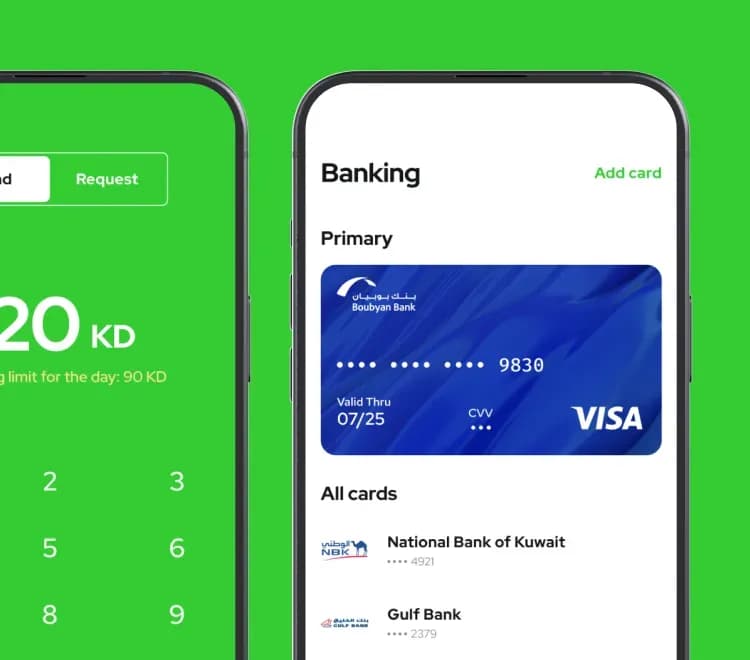
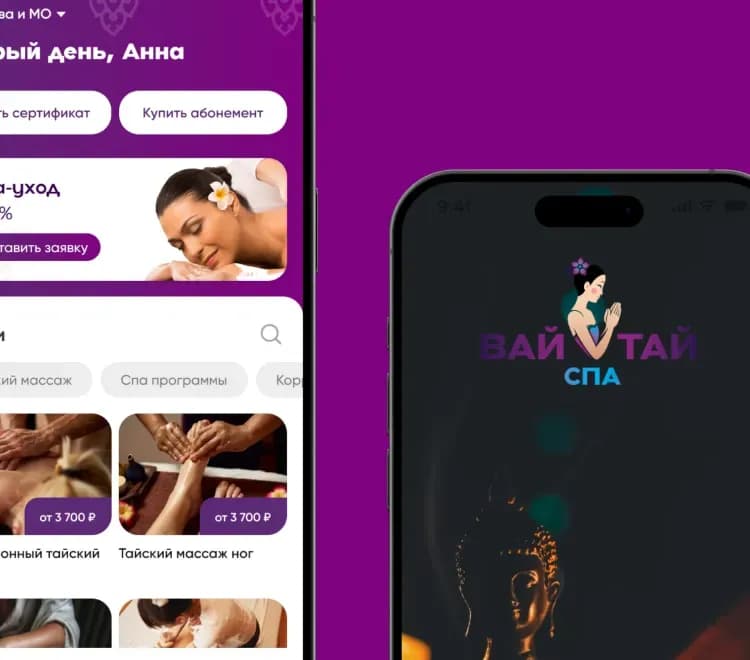
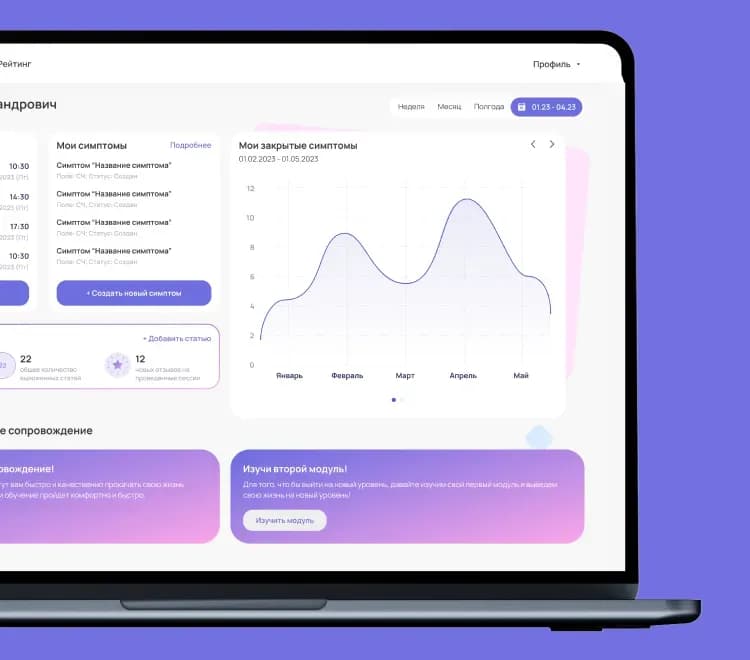
A full MVP engagement usually includes:
A ballpark range in seconds — refine it below, then talk to an expert.
MVP / new product
$25,000 – $40,000
Plus UI/UX design $5k–$5k · QA & project management included
This is already a lean MVP scope — the fastest, cheapest way to launch.
Preliminary estimate, refined on a call. USD.
| Axis | Purrweb (agency) | In-house team | Freelancer |
|---|---|---|---|
| Timeline | 3–4 months from signed contract to App Store submission | 2–3 months just to hire the team, before development starts | Fastest to start, but no fixed delivery process |
| Cost | $30,000–$80,000, fixed after a paid discovery sprint | Salaries + overhead, ongoing regardless of MVP status | Cheapest upfront rate, but scope changes are billed ad hoc |
| Team & expertise | Dedicated PM, designer, 2–3 developers, QA — same team across the project | Full control over hiring, but takes months to reach team maturity | Single point of expertise — no built-in QA or design review |
| Code ownership & handover | Client owns the codebase from the first commit; documented handover | Full ownership by default — the team is your employees | Depends on the contract; repository access varies by freelancer |
| Risk & continuity | Team redundancy — a person leaving doesn't stop the project | Lowest external risk, but slowest and most expensive to start | No redundancy — one person's availability is a single point of failure |
.avif)

.avif)
-1.avif)
-1.avif)
.avif)
-1.avif)
-1.avif)
.avif)
-1.avif)
-1.avif)
-1.avif)
-1.avif)
-1.avif)
-1.avif)
-1.avif)
-1.avif)
.avif)
-1.avif)
-1.avif)
-1.avif)
-1.avif)
-1.avif)
.avif)

-1.avif)
.avif)
-1.avif)
-1.avif)
-1.avif)
-1.avif)
.avif)
-1.avif)
.avif)
.avif)
MVP stands for minimum viable product — the smallest version of a product that still delivers value and can be released to real users. In practice it means shipping the core feature set first and adding the rest once usage data shows what matters.
-1.avif)