Explore

Need help with your project?

Oops! Something went wrong while submitting the form.
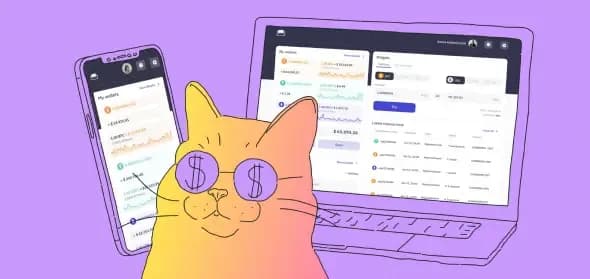
From household budget monitoring and wallets, to banking apps, ERP systems and trading platforms — we develop fintech apps that bring convenience and transparency to financial systems of any scale.
               =#@@@@@@@@@@@@@@@@@@@@@@@@@@@@@@@@@@@@@@@@@@@@@@@@@@@@@@@@@@@@@@@@@@@@@@@@@@#=
              *@@@@@@@@@@@@@@@@@@@@@@@@@@@@@@@@@@@@@@@@@@@@@@@@@@@@@@@@@@@@@@@@@@@@@@@@@@@@@@*
             .%@@@@@@@@@@@@@@@@@@@@@@@@@@@@@@@@@@@@@@@@@@@@@@@@@@@@@@@@@@@@@@@@@@@@@@@@@@@@@@%.
             .%@@@@@@@@@@@@@@@@@@@@@@@@@@@@@@@@@@@@@@@@@@@@@@@@@@@@@@@@@@@@@@@@@@@@@@@@@@@@@@%.
             .%@@@@@@@@@@@@@@@@@@@@@@@@@@@@@@@@@@@@@@@@@@@@@@@@@@@@@@@@@@@@@@@@@@@@@@@@@@@@@@%.
             .%@@@@%==============================================================#@@@#=%@@@@%.
             .%@@@@%.                                                             :@@@%:%@@@@%.
             .%@@@@%.                                                             :#@@@#%@@@@%.
             .%@@@@%.                                                         :+#@@@@@@@%@@@@%.
             .%@@@@%-**********:                                             .%@@@@@@@@+%@@@@%.
             .%@@@@%%@@@@@@@@@@%.                                           :*@@@@@@%+..%@@@@%.
             .%@@@@%%@@@@@@@@@@%.                                         .*@@@@@@#=   .%@@@@%.
             .%@@@@%%@@@@@@@@@@%.                                        =%@@@@@#-     .%@@@@%.
             .%@@@@%%@@@@@@@@@@%.                                      :#@@@@@#:       .%@@@@%.
             .%@@@@%-**********:                                     .*@@@@@%=         .%@@@@%.
             .%@@@@%.                                               =%@@@@@*.          .%@@@@%.
             .%@@@@%.                                            .+%@@@@@#:            .%@@@@%.
             .%@@@@%.                                          :+@@@@@@%=              .%@@@@%.
             .%@@@@%.                                        :*@@@@@@%=.               .%@@@@%.
             .%@@@@%.               .==..==..==..==.  .==.:+#@@@@@@%#.  .==..==..==..==:%@@@@%.
             .%@@@@%.               =@@==@@==@@==@@=  =@@%@@@@@@@*+@@=  =@@==@@==@@==@@=%@@@@%.
             .%@@@@%.                ::  ::  ::  :: -#@@@@@@@@%+:  ::    ::  ::  ::  ::.%@@@@%.
             .%@@@@%.                              =@@@@@@@#+:                         .%@@@@%.
             .%@@@@%.                              :%@@@#=.                            .%@@@@%.
             .%@@@@%.                               .::.                               .%@@@@%.
             .%@@@@@####################################################################@@@@@%.
             .%@@@@@@@@@@@@@@@@@@@@@@@@@@@@@@@@@@@@@@@@@@@@@@@@@@@@@@@@@@@@@@@@@@@@@@@@@@@@@@%.
              +@@@@@@@@@@@@@@@@@@@@@@@@@@@@@@@@@@@@@@@@@@@@@@@@@@@@@@@@@@@@@@@@@@@@@@@@@@@@@@+
               :*##########################################################################*:


Product type | Typical budget | Timeline | What’s included |
|---|---|---|---|
Finance app MVP (1 platform) | $30 000 – $70 000 | 3–4 months | Core flows; 1 payment gateway; basic KYC |
Full mobile finance app (iOS + Android) | $80 000 – $150 000 | 4–6 months | React Native; 2–3 integrations; compliance layer |
Multi-feature financial app (mobile + web) | $150 000 – $300 000 | 6–9 months | Core banking API; multicurrency; KYC/ AML; admin panel |
Trading platform / investment app | $200 000 – $500 000+ | 9–12 months | Real-time feeds; brokerage API; regulatory reporting |
Post-launch support (retainer) | From $2 500/ month | Ongoing | Bug fixes, performance monitoring, payment gateway incident response |

Purrweb was the perfect solution for us to build the utmost viable platform. The way they worked helped us in building and designing our platform — better than we could have ever expected. We recommend Purrweb 100% for any of your developing needs.
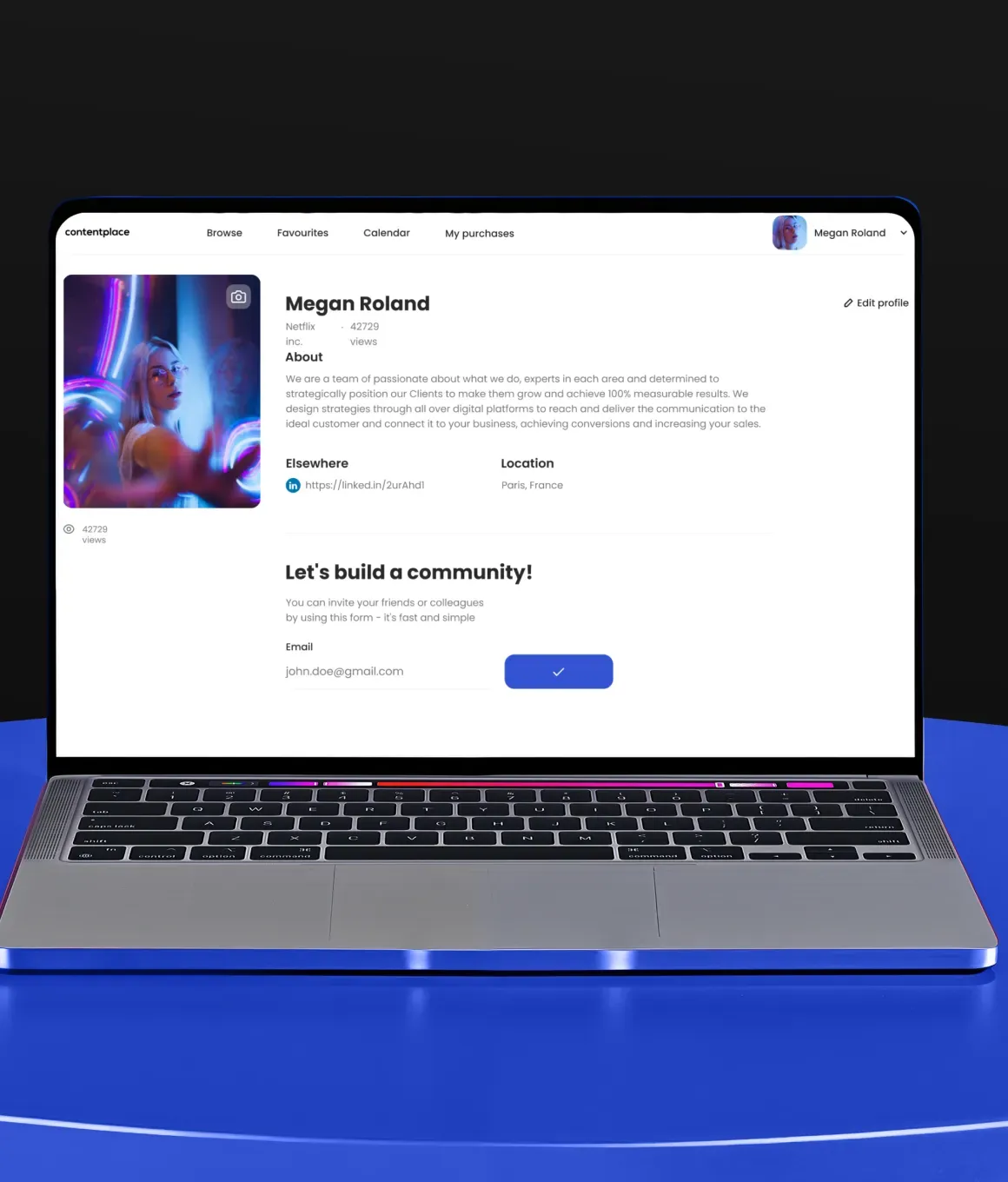
A web application that helps anyone creating video content to buy or sell it. Users can find videos directly from creators without violating copyright. Content creators can discover new distribution channels and receive donations from subscribers

.svg)
.webp)

My name is Seth Abel and I’m CEO at a Fintech company called KEM. We provide payment services and help people to connect with each other in terms of financial matters. We really needed help with developing an MVP. Our banking partners required an MVP from us to demonstrate our ability to put up a product. I think the job was done really swiftly and very effectively. A good product was delivered, so I was really happy with the services and I would definitely recommend Purrweb.
Kem is an application for exchanging money. The user can send money or request it from a friend. In Kuwait, not all people have access to online banking services and this is a major problem. Kem solves this by providing a convenient, fast and secure P2P payment service.
.svg)

.webp)
The Purrweb team helped us reach and serve new customers all around the world.
Eventignite is a desktop application used during exhibitions. Visitors can explore the map (zoom in and out), search info about exhibitors and their location on map (stand), check the schedule of speakers, add interesting points to checklist with sending to email. Application load depends on map size and how many exhibitors will take part (max real event was 3500).


.webp)
Purrweb helped me build a productivity tool for families and household management. I really enjoyed the professionalism of the project manager, the team of engineers, and the QA specialists assigned to my project. They were dedicated to the project, and the entire process was well orchestrated. Purrweb helped me launch the app right on time and within my planned budget.
The app helps families improve teamwork by simplifying task management. Users can share contacts with another family member and organize the essential family information.


Purrweb was the perfect solution for us to build the utmost viable platform. The way they worked helped us in building and designing our platform — better than we could have ever expected. We recommend Purrweb 100% for any of your developing needs.

My name is Seth Abel and I’m CEO at a Fintech company called KEM. We provide payment services and help people to connect with each other in terms of financial matters. We really needed help with developing an MVP. Our banking partners required an MVP from us to demonstrate our ability to put up a product. I think the job was done really swiftly and very effectively. A good product was delivered, so I was really happy with the services and I would definitely recommend Purrweb.

Purrweb helped me build a productivity tool for families and household management. I really enjoyed the professionalism of the project manager, the team of engineers, and the QA specialists assigned to my project. They were dedicated to the project, and the entire process was well orchestrated. Purrweb helped me launch the app right on time and within my planned budget.
Four steps. First, a paid discovery sprint, 1–2 weeks: requirements, compliancemapping, architecture design. Second, a fixed-scope proposal with milestonepayments. Third, development: weekly demos, Slack access to the full team,TypeScript and React Native for mobile or React/Next.js for web. Fourth, launchwith 3 months of post-launch support included. You own all code and IP from dayone.
Three criteria matter most. Documented compliance approach — agencies that say “we’ll figure it out later” routinely add 3 months of rework before launch. Real production fintech case studies on the agency’s own site, not stock screenshots — and not Clutch listings that don’t link back to live products. Fixed-scope engagement instead of hourly billing — fintech projects on open-ended billing overrun by 2–3× more often than fixed-scope ones. Bonus signal: published $-range tiers per product type. Most agencies hide pricing; the ones that publish it tend to be the ones that hit it.
PCI DSS for payment processing, GDPR for EU/UK data handling, SOC 2 Type II for B2B SaaS fintech, GLBA for US financial institutions, plus KYC/AML flow requirements for any product moving money. Each shapes architecture differently — PCI DSS scope reduction via tokenization (Stripe Elements, Adyen Drop-in) keeps the compliance surface area small, while SOC 2 audit cycles add quarterly evidence collection to ops. Compliance mapping is part of the discovery sprint before any code gets written.
Plaid handles bank account verification, account linking, balance checks. Stripecovers card payments, payouts, and treasury accounts. Dwolla handles ACHtransfers in the US. Our integrations cover Plaid, TrueLayer (EU equivalent), Stripe,Adyen, Braintree, Dwolla, plus identity providers Onfido, Sumsub, and Jumio.Public APIs typically ship in 1–2 sprint cycles. Proprietary core banking APIs —Temenos, Mambu, Finastra — need an additional discovery sprint to assess scopebefore scoping work.
Six main verticals. Banking apps (digital account opening, card management, push notifications). Payment apps (P2P transfers, merchant payments, QR codes). Lending and BNPL (loan origination, credit scoring, repayment dashboards). Insurance and insurtech (claims intake, underwriting workflows, policy management). Wealth and trading (brokerage interfaces, robo-advisory, portfolio dashboards). Personal finance (budgeting, savings automation, expense tracking). All six can ship with KYC/AML flows, multi-currency, and bank integrations.
TLS 1.3 for data in transit, AES-256 at rest, biometric authentication on mobile (Face ID, fingerprint), tokenization of card data so it never touches our servers, HashiCorp Vault for secrets management, full audit logging of every state change. Penetration testing before launch, regular dependency scanning, secure SDLC throughout the project. This is the implementation side — compliance frameworks (PCI DSS, SOC 2) define what’s required; this is how it gets built.
A financial app is the consumer-facing mobile product — a wallet, a banking app, an investment dashboard. Fintech is broader — it covers back-office systems, core banking software, B2B platforms, embedded finance APIs, and the regulated software infrastructure underneath. If the scope is a mobile product for end users, “financial app” is the right framing. If the scope is platform-level or B2B, see our fintech software development services.
Yes. We use React Native + TypeScript for cross-platform financial apps — singlecodebase, both stores, 30–40% faster time-to-market than separate iOS and Androidteams. Code reuse runs 90%+ across the apps we’ve shipped. Platform-specificwork stays limited to biometric integration and App Store / Play Store submission.Native iOS-only (Swift) or Android-only (Kotlin) when there’s a hard platformspecific requirement — rare in fintech.