Explore
Need help with your project?
This field is required
Incorrect phone number
Incorrect Email
This field is required
Please fill in all fields
Next
Next
Your role in the project
Services
Budget
Please select one option in each category
Submit
Submit
several colorful figures
Request sent
Our manager will contact you shortly.
Oops! Something went wrong while submitting the form.

Android App Development Company in the USA

We can build a functional Android app in 4–6 months to help you: test your idea on the market; strengthen your brand recognition and increase customer loyalty; drive your revenue growth by implementing monetization strategies; streamline business operations

$25,000–$60,000Functional app in 4–6 monthsReact Native + Kotlin

What Makes a Great Android App Development Company?

An Android app development company designs, builds, and ships apps to the Google Play Store, then owns the release process through to launch. Purrweb has been building mobile products since 2014, working with clients across the US, EU, and Gulf markets, using React Native and Flutter to ship one codebase to both Android and iOS.
Plenty of vendors ship a build that looks fine on a Pixel and falls apart on a three-year-old Samsung with a customized OEM skin. A great Android app development company doesn't: it ships apps that hold up across the devices real users actually own. Three things separate a real Android partner from a portfolio site with stock screenshots — engineers who know the framework's native-bridge layer well enough to write a Kotlin module when React Native or Flutter doesn't cover a feature yet, a design team fluent in Material Design guidelines, and ownership of the Google Play Console account, signing keys, and review correspondence through launch.
Team structure matters as much as the stack. A single Android project typically needs a product designer, one or two React Native or Flutter engineers, a QA person who tests on physical devices across multiple OEMs, and a project lead who handles Google Play policy questions. A development firm quoting a fixed price without a discovery call is guessing at scope — the work that actually holds a deadline starts with a scoping session.
— Android MVPs typically run $25,000–$60,000 depending on scope; complex apps with backend integrations go higher.
— Purrweb builds Android apps with React Native and Flutter; small native Kotlin modules cover the rare feature a framework doesn’t expose yet.
— Google Play submission is a distinct service line here, and device-matrix QA runs before it, not after.

Android app development services we provide

Custom Android app development

Our team will design and develop your Android app from the ground up within 4–6 months. We’ll make sure it’s tailored to your business’ and users’ needs. As a result, you’ll get an app with an intuitive UI and smooth performance, no matter how advanced the features are.

MVP development

Turn your idea into a fully functional Android app with our expertise. We’ll help you prioritize key features to get your app to market as quickly as possible. Even though we focus on speed, we don’t forget about quality. Our team will build a user-friendly and high-performance Android app. They’ll also keep you updated throughout the entire development cycle.

UI/UX design of an Android app

Our approach to app design focuses on maintaining a balance between aesthetics and functionality. The finished product can impress both your users and investors with its polished look and user-friendly interface.

QA testing of an Android app

With our QA testing process, your Android app will be free of bugs that could negatively impact the user experience. A bug-free app can improve user satisfaction and increase conversion rates.

Post-release support

If you need to roll out an update, implement new features, or fix bugs —  we can help. A well-maintained app will show users your commitment to quality and innovation, and they will be more likely to continue using it.

Consultations

We can help you with any questions or concerns you have about developing an Android app. Whether you’re curious about the feasibility of your idea or unsure if the features you’ve selected will appeal to your target audience — we’re ready to help.

Our projects

Smartchat service screenshots

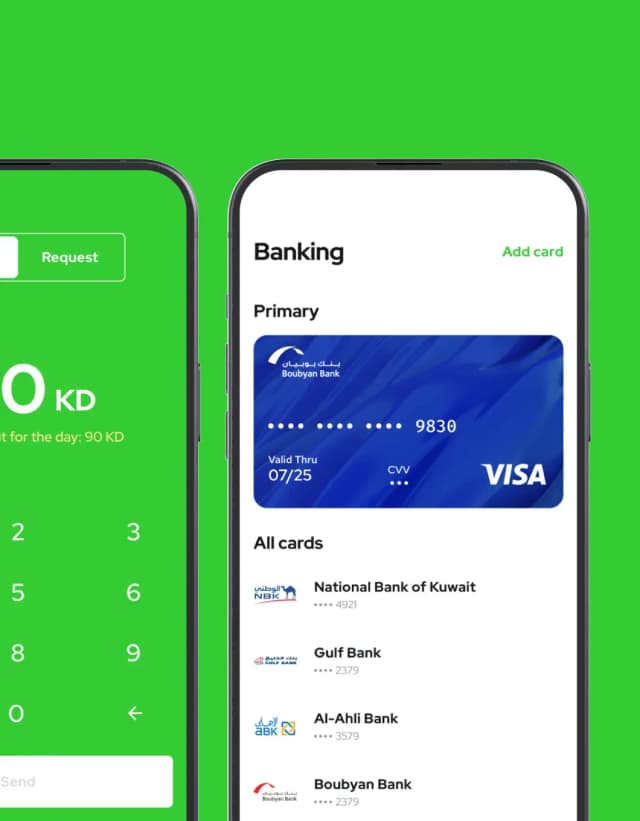
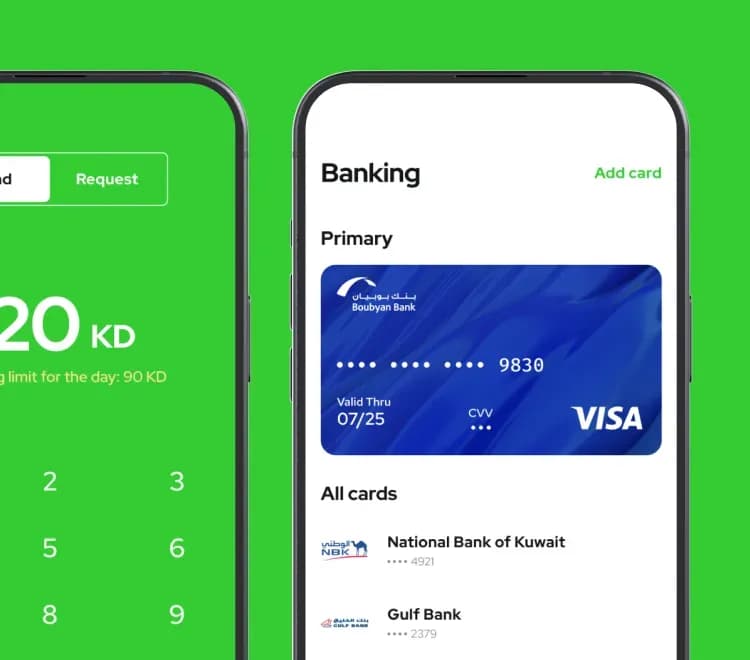
Kem: mobile payment platform

Fintech
QR code payments
transaction history
linked external bank cards
Kem is a P2P payment platform. Here, users can manage their money by adding cards, making transfers to people from their contact list, and viewing a transaction history. The app has a QR code scanning feature, which allows users to add new contacts and send money on the spot.
$4 mln of investments raised in two rounds
>100k users at MVP stage
View case
Smartchat service screenshots

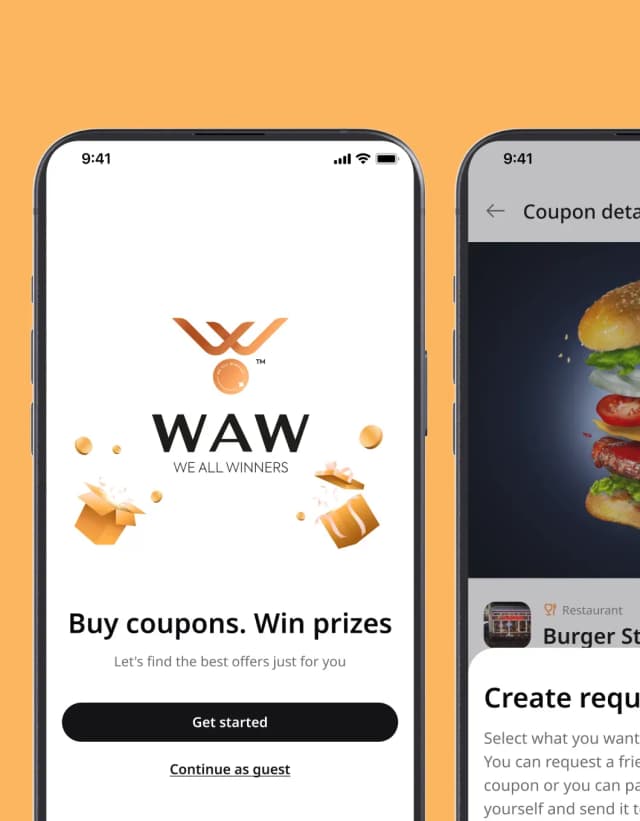
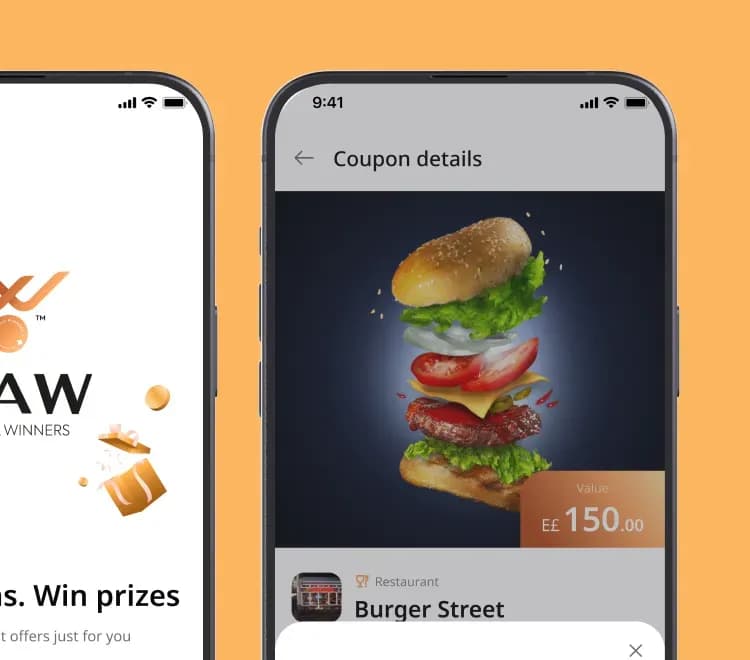
We’re all winners: app with discount coupons and lotteries

e-Commerce
maps and GPS
coupons
lotteries
light & dark theme
A service for selling discount coupons for the Egyptian market. The killer feature — coupon buyers automatically become lottery participants. On this project, we had to work with Firebase for the first time to build the backend. With a tight deadline, we had to study the technology and implement features at the same time. Even then, the developers managed to complete the task ahead of the deadline.
130,000 active users
>100,000 downloads
View case
Thumbnail with screenshots of service named Energo

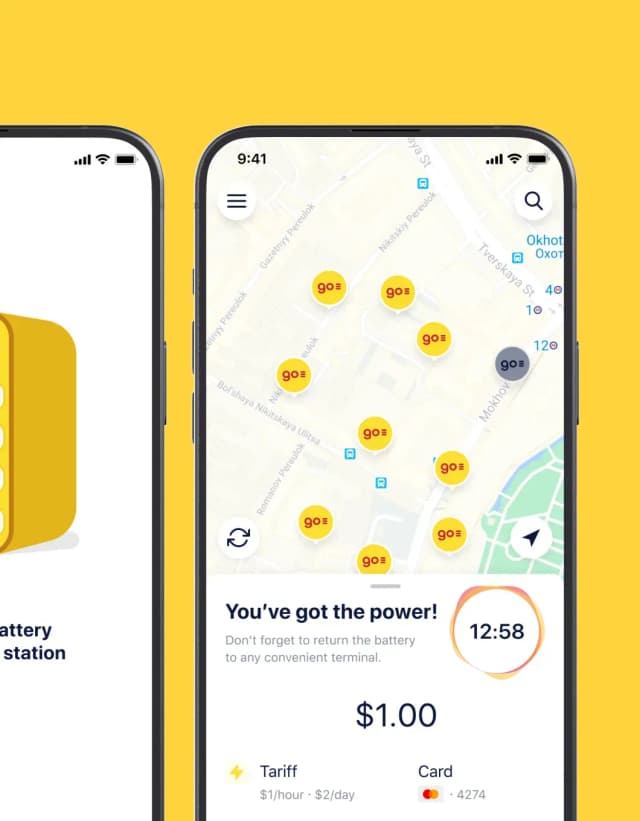
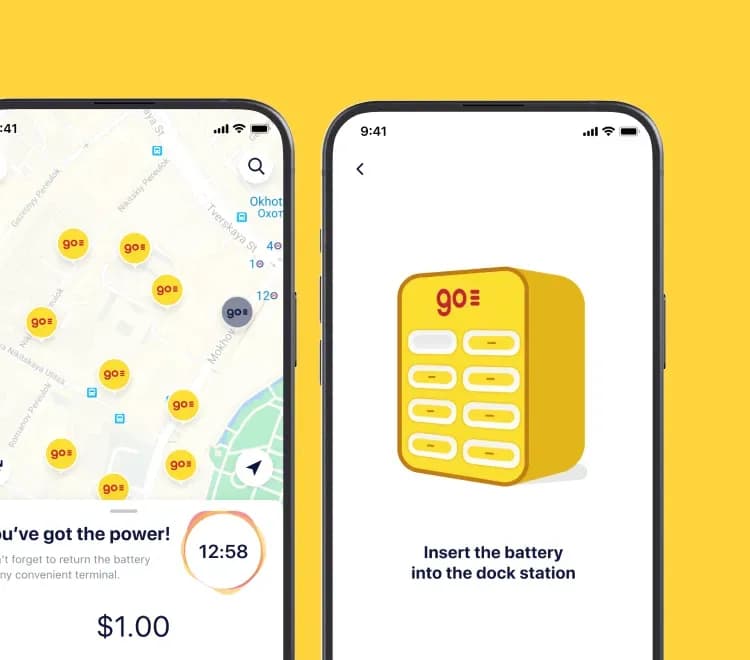
EnerGO: powerbank rental app

IoT
Chat
Maps and GPS
NFC payments
EnerGO is a power bank rental service. This project was our first experience with IoT technology. We had to integrate mobile apps for Android and iOS with charging stations. Despite the difficulties, our team was able to understand the principles of the station’s operation and set it up. Now the stations are scattered around the client’s country, with 4,000 terminals in the capital.
>4000 charging stations
>1 million active users
View case
Smartchat service screenshots

Kem: mobile payment platform

Fintech
QR code payments
transaction history
linked external bank cards
$4 mln of investments raised in two rounds
>100k users at MVP stage
View case
Smartchat service screenshots

We’re all winners: app with discount coupons and lotteries

e-Commerce
maps and GPS
coupons
lotteries
light & dark theme
130,000 active users
>100,000 downloads
View case
Thumbnail with screenshots of service named Energo

EnerGO: powerbank rental app

IoT
Chat
Maps and GPS
NFC payments
>4000 charging stations
>1 million active users
View case

Android application development: As simple as 1-2-3

1
Schedule a call
After you fill out the form, our manager will contact you within 24 hours and arrange a call. If necessary, we are ready to sign an NDA.
At the meeting, we will get to know each other and discuss the project. We'll also talk about the approximate budget and deadlines.
2
Dive into project details
After the first meeting, a business analyst will contact you for a mini-audit: gathering technical requirements and creating a portrait of the project's target audience. To do that, we'll talk about your project, what your goals and restrictions are, and look at positive and negative references.
3
Prepare and submit
an estimate
We prepare a detailed estimate and presentation, which includes cost, timeline, team, and project roadmap.
After that, all that's left is to sign the contract,and we'll get started on your project! Now, let's talk about what happens after the estimate.

Android app development process

The process runs through six stages: discovery, design, development, device-matrix QA, Google Play submission, and post-launch support. Device-matrix QA and Google Play submission ownership are the stages that have no direct iOS equivalent at this scale — covered in detail below.
1

Systems analysis

Results: Project roadmap and BPMN-diagrams
Average time frame: 2–3 weeks
We gather analytics and dive deeper into your project’s specifics. During this phase, we design the architecture of the Android app and create BPMN-diagrams that outline how the app will function. The thorough planning helps us anticipate potential challenges and adapt to changes.
2

UI/UX design

Results: UI kit, finished screen designs
Average time frame: 1-1.5 month
We start by mapping out the internal logic of the Android app in a detailed mind map. This serves as a foundation that we then transform into black-and-white wireframes.
Once you approve the app’s logic, we focus on designing 1-2 key screens from the primary user scenario to establish the app’s core style. After finalizing the style, we refine every detail, complete the app’s design, and create a UI kit to accelerate the development process.
3

Development

Results: Finished Android app that’s ready for release
Average time frame: 2–5 months
We break the app development process into 2-week sprints. This gives clients regular updates and more control over the progress of the project. The approach allows for quick adjustments and incorporation of changes.
Test releases are shared via TestFlight, so clients get to experience the app on real devices and evaluate its functionality first-hand.
4

QA testing

Results: Bug-free app
Average time frame: In parallel with the development
During development, we regularly check the app for bugs to reduce the chance of them making it into the release. To ensure that, we test each scenario using a combination of manual and automated methods.
5

Release

Results: An app that’s ready to be downloaded by users
We understand the process of publishing to the Play Store and make sure that every release is as smooth as possible. Our Android app development services don’t end there. We can also provide ongoing support — add new features and fix bugs as they appear.

Testing Across Android's Device Fragmentation

Android's device fragmentation is real and larger than iOS's by a wide margin: dozens of OEMs (Samsung, Xiaomi, OnePlus, Google, and smaller regional brands) each customize the OS layer, and production traffic on most Android apps still spans OS versions from Android 8 through Android 15. An app that renders correctly on a stock Pixel emulator can still break on a Samsung device with One UI's notification handling, or on a budget phone with a non-standard screen aspect ratio.
"We test on multiple devices" doesn’t say much without a device list attached. QA on an Android project at Purrweb runs against a mix of physical devices spanning at least two major OEM skins and the OS versions the client’s analytics show real users are on, not just the latest emulator image. Screen-size and aspect-ratio testing covers standard phones, larger-screen devices, and increasingly foldables.
The honest tradeoff for a founder: skipping device-matrix QA to save a sprint is the single most common way an Android launch collects one-star reviews about crashes the team never saw in their own testing.

Google Play Submission — Timelines and Ownership

Play Console setup, signing-key management, and Google's review correspondence usually land on the client's plate after handover. Purrweb runs submission as a deliverable: our team creates the Play Console listing, manages app signing and release tracks, and handles every round of review feedback until the app is live.
Google Play's automated review typically completes faster than Apple's manual App Store review — often within hours rather than days — though apps requesting sensitive permissions (background location, SMS, call logs) or falling into restricted categories (finance, health) can trigger a manual policy review that adds days. Common rejection reasons include incomplete data-safety declarations, permission requests that don't match the app's stated purpose, and target-API-level requirements Google updates annually.
A founder who's never filled out a Play Console data-safety form before can lose real time figuring out which permission maps to which disclosure category. Submission ownership means a policy flag is our problem to fix the same day it's raised.

Designing for Material Design and Android UI Guidelines

Material Design is Google's design system for Android, covering component behavior, elevation and shadow rules, motion patterns, and adaptive layouts across phone, tablet, and foldable form factors. An app that ignores it doesn't just look inconsistent — it fights the OS's own navigation gestures and system UI in ways users notice immediately, even if they can't name why the app feels off.
Purrweb's design team builds Android screens against Material Design 3 components and adaptive-layout guidelines from the first wireframe. That matters most for apps also shipping on iOS: a shared cross-platform codebase still needs two distinct visual languages underneath it, or the Android version reads as an afterthought to users who know the platform's conventions.

Android App Development Timeline — How Long Does It Take?

An Android MVP takes 8–16 weeks from kickoff to Google Play listing. A mid-complexity app runs 3–5 months, and enterprise builds take 6 months or longer. These timelines assume discovery is done before development sprints start and treat device-matrix QA as a distinct phase. Projects that skip discovery and figure out scope mid-build routinely run over their original estimate — scope creep during development is the biggest timeline risk on any Android project, not Play Store review delays.
Google Play's automated review typically adds hours to a submission timeline. Against a 16-week build, that's a rounding error next to the real variable: scope creep during development and the size of the device-matrix QA pass.

We can make an Android app in any niche

Travel

Make an Android app that simplifies flight booking and settling into a hotel. Or integrate a tour guide to enhance the travel experience

Healthcare

Simplify appointment management and scheduling for doctors. Or make it more convenient for patients to take their medicine

Logistics

Control shipping and the related infrastructure with an Android app specifically tailored to your business requirements

Wellness & Sport

Create an app centered on meditation, mindfulness, and breathing practices. Or lean into fitness and make a tool with AI-generated workouts

Events

Help users get the most out of galas, meetings, and exhibitions. Integrate key features like private venue booking, ticket sales dashboards, and price comparisons

Marketplace

Revolutionize the market by creating your own niche platform. Or make a tool to help marketplaces flourish with loss prevention and overall workflow automation

Real Estate

Build an Android app that makes it easy for tenants to go through listings and find an ideal home

Media

Create a niche social media app to attract a specific type of loyal paying customers. Or better yet — develop an app alongside an IoT-product that changes the way people interact online

Finance

From cryptocurrency wallets to run-of-the-mill stock markets, we can create an Android app that makes interacting with money and investments simple

Our tech stack for Android app development

JavaScript
Nest.js
React.js
Electron.js
React Native
Flutter
Redis
PostgreSQL
AWS
Jenkins
Nginx
WebRTC
PWA
Vercel

Our Android Development Stack: React Native and Flutter

Purrweb builds Android apps with React Native and Flutter. The same codebase ships to Android and iOS, which cuts build time compared to running two native teams in parallel. React Native uses TypeScript over a native bridge (or the newer Fabric renderer) to call native UI components. Flutter compiles Dart to native ARM code and renders its own widget tree, which is why Flutter apps tend to look pixel-identical across Android OEMs. Android Studio remains the build environment for packaging, signing, and Play Console uploads regardless of framework.
Both frameworks cover most of what a typical Android app needs: camera, push notifications, in-app billing, biometric auth, maps. Where a project needs something the framework doesn't expose yet — a home-screen widget built on Jetpack Compose, a deep OEM-specific API, or a specialized sensor integration — Purrweb writes a small native Kotlin module and bridges it into the React Native or Flutter codebase.
We don't market ourselves as a native Android shop building everything in Kotlin from scratch. For most products — an MVP validating demand, a multi-role marketplace app, a fintech app with a standard KYC flow — a shared React Native or Flutter codebase reaches both Android and iOS users at once, at a fraction of running two native teams. Native Kotlin earns its cost when a project needs deep platform integration on day one.
Some clients come to us with an existing native Android codebase written in Java, the language most legacy Android apps still run on. We don't rebuild those from scratch by default — the discovery call scopes whether a bridge, a partial rewrite, or a full cross-platform migration makes sense for that specific codebase.

Custom Android app development cost

Android app development costs $25,000–$60,000 for an MVP, $60,000–$150,000 for a mid-complexity app with backend and third-party integrations, and $150,000+ for enterprise-grade builds with custom infrastructure. These ranges reflect actual Purrweb project scopes.
for the MVP
$25,000–$60,000
Idea validation
Feature prioritization
User journey mapping
Full cycle design and app development
QA testing
for a full-fledged app with basic and additional features
$60,000–$150,000
Idea validation
Feature prioritization
User journey mapping
Full cycle design and app development
QA testing
Implementation of additional features that can boost conversions, attract new clients, and retain existing ones
One thing that inflates Android budgets specifically: device-matrix QA. Testing a payment flow or a camera feature across a handful of representative OEMs and OS versions takes real QA hours that a single-device iOS test cycle doesn't need. That's engineering time most cost calculators on competitor sites don't itemize separately — it shows up as a line item in our discovery-stage estimate instead of a surprise change order mid-build.

Case Studies

KEM — P2P payment app for the Kuwait market. A fintech startup came to us needing an MVP to pitch to banking partners before securing a banking API integration. We designed the UX/UI and built a cross-platform React Native MVP with mock banking data: phone-number signup, linked card management, peer-to-peer money requests. After handover, KEM's in-house team took over engineering, wired in real banking APIs, rebranded, and carried the product toward launch. One React Native codebase covered both target platforms from the first sprint.
Settler — apartment renovation app for Dubai. A Dubai-based renovation service needed an app connecting homeowners with contractors, including live-stream video of work in progress. We built Settler as a React Native MVP — renovation stage tracking, expense tracking, contractor receipts — and shipped it live on Google Play alongside the App Store in 4 months.
Fitness App — online workout platform for personal trainers. A fitness-industry client needed a platform connecting trainers with clients for remote coaching: video workouts, in-app chat, training-program scheduling, and Stripe payments. We built it with React Native and a Node.js backend, targeting both Google Play and the App Store as the client moved toward release.
All three case studies above were built with React Native — that's the default stack Purrweb runs for Android projects, cross-platform from day one, with native Kotlin modules added only where the framework needs a bridge.

Android vs Cross-Platform vs iOS: Choosing the Right Approach

Native Android development is the right call when an app needs deep platform integration — custom home-screen widgets, background processing tied to Android’s power-management APIs, or a hardware SDK with no cross-platform binding — or when performance on a single platform matters more than reaching iOS on day one. React Native app development makes more sense when the priority is shipping to both Android and iOS from one codebase, especially for MVPs validating a business model before platform-specific investment is justified.
The honest tradeoff: native Kotlin gives immediate access to every new Android API the day Google ships it. React Native and other cross-platform app development approaches wait on a bridge library or write a native module to fill the gap — which Purrweb does when a cross-platform project needs one native feature rather than a full rewrite. Teams building for iOS app development alongside Android from day one usually start cross-platform and split into native codebases later, once one platform’s feature set outgrows what the shared codebase can support cleanly.
A rough rule that holds across the projects we've scoped: if the roadmap includes deep OEM-specific integration or heavy background processing within the first year, native saves a rewrite later. If the roadmap is “validate demand on both platforms within a quarter,” cross-platform is the faster, cheaper first step.

Why Choose Purrweb as Your Android App Development Company

Purrweb has built mobile products since 2014, including mobile app development company work spanning fintech, healthtech, and on-demand apps across the US, EU, and Gulf markets. On Android specifically: an in-house React Native and Flutter team, Google Play submission ownership from Play Console setup through review correspondence, device-matrix QA built into the process rather than bolted on, and a fixed-fee MVP structure that gives founders a real cost number before signing anything.
A live app on Google Play (Settler, in the real estate/renovation vertical) plus fintech and fitness builds built for both stores, a discovery-first process that keeps timelines from blowing past 16 weeks, and a team that treats device fragmentation and Play Store review as part of the job, not the client's problem after handover.
Talk to us about your Android project — discovery calls are free, and we'll give you a real cost range before you commit to anything.

Why choose us for Android development services

Experienced in 46 niches

We have experience across industries like: fintech, healthcare, IoT, social media, real estate, TV apps, and over 40 other areas. Our expertise allows us to understand your needs and provide effective solutions right from the start. Our Android app development company can develop projects of different complexities — from simple habit trackers to apps with extensive feature-lists.

Flexible

Our Android developers are ready to start working on your project within a week. If deadlines change on your end, we'll be able to quickly expand the team and release the app on time.

Can help you save up to 30% of your budget

We can work on Android and iOS apps simultaneously by using cross-platform frameworks like React Native and Flutter. These frameworks allow us to reduce development time and costs, as well as maintain consistent functionality across platforms.

Focused on the long-term

Your success is our priority. We’re committed to supporting your Android app long after its launch to ensure it continues to grow. We’ll help you adapt to changing user needs, implement new features, and scale your app.
One of our longest partnerships has lasted over 7 years. During this time, we’ve successfully launched and continuously improved 3 projects for the same client. One of these apps has reached an annual turnover of $5 million.

Why choose our custom software development

550+
Project released
10 years
Of making apps for startups and businesses
>50К
Positive reviews collected by our customers' apps in the app stores
>7 years
Longest partnership with the client
200+
People on the team

What our clients tell about us

Pogovorim.online service screenshots
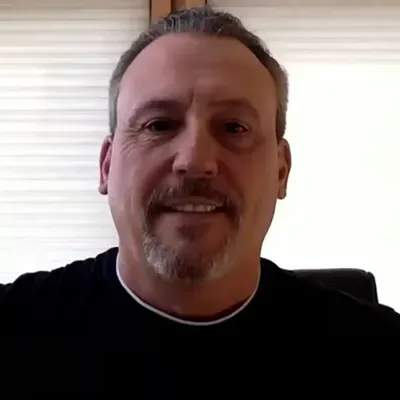
Portrait of person
Lou Severine
CEO
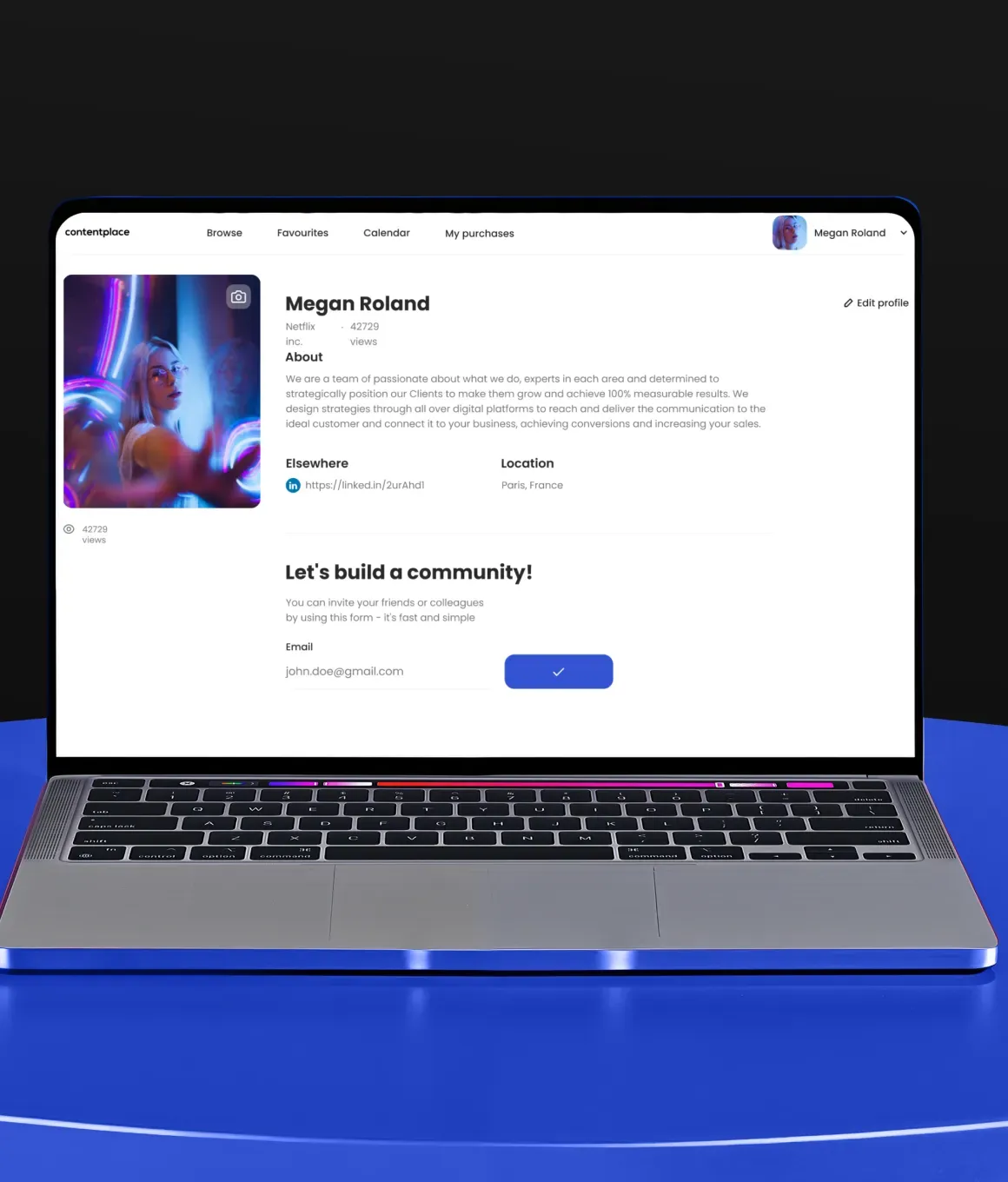
Contentplace — marketplace for content makers
Watch a video review

Purrweb was the perfect solution for us to build the utmost viable platform. The way they worked helped us in building and designing our platform — better than we could have ever expected. We recommend Purrweb 100% for any of your developing needs.

Contentplace — marketplace for content makers
Marketplace, Video Development, Design, MVP

A web application that helps anyone creating video content to buy or sell it. Users can find videos directly from creators without violating copyright. Content creators can discover new distribution channels and receive donations from subscribers

View full case
Pogovorim.online service screenshots
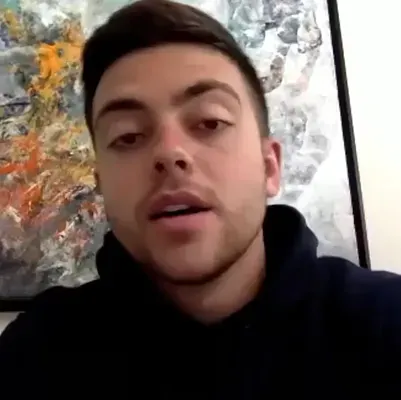
Portrait of person
Seth Abel-Sadeq
CEO
Kem — Payment app
Watch a video review

My name is Seth Abel and I’m CEO at a Fintech company called KEM. We provide payment services and help people to connect with each other in terms of financial matters. We really needed help with developing an MVP. Our banking partners required an MVP from us to demonstrate our ability to put up a product. I think the job was done really swiftly and very effectively. A good product was delivered, so I was really happy with the services and I would definitely recommend Purrweb.

Kem — Payment app for Kuwait market
Fintech, Mobile, Banking, Development, MVP

Kem is an application for exchanging money. The user can send money or request it from a friend. In Kuwait, not all people have access to online banking services and this is a major problem. Kem solves this by providing a convenient, fast and secure P2P payment service.

View full case
Pogovorim.online service screenshots
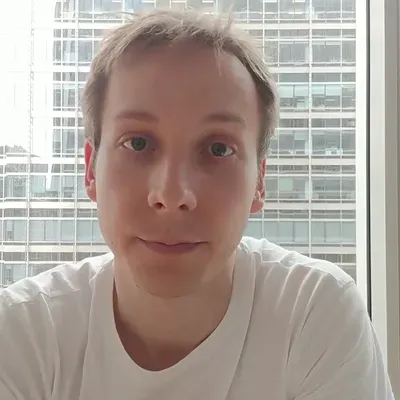
Portrait of person
Thomas Walczak
Head of Product
Eventignite - Digital Signage Software for Events
Watch a video review

The Purrweb team helped us reach and serve new customers all around the world.

Eventignite — Digital Signage Software for Events
Desktop App, Development, Maps, Filters

Eventignite is a desktop application used during exhibitions. Visitors can explore the map (zoom in and out), search info about exhibitors and their location on map (stand), check the schedule of speakers, add interesting points to checklist with sending to email. Application load depends on map size and how many exhibitors will take part (max real event was 3500).

View full case
Pogovorim.online service screenshots
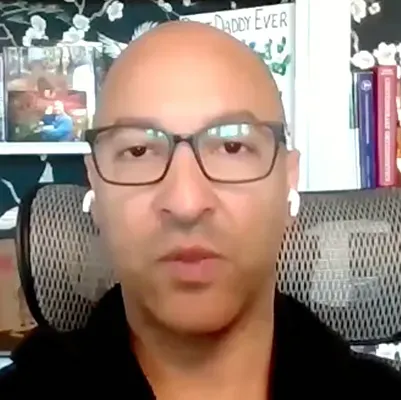
I don't know who they are
Delauno Hinson
Co-founder and CEO
Stealth startup. The family tasks management app
Watch a video review

Purrweb helped me build a productivity tool for families and household management. I really enjoyed the professionalism of the project manager, the team of engineers, and the QA specialists assigned to my project. They were dedicated to the project, and the entire process was well orchestrated. Purrweb helped me launch the app right on time and within my planned budget.

The family tasks management app
Development, MVP, Google API, Shared Tasks

The app helps families improve teamwork by simplifying task management. Users can share contacts with another family member and organize the essential family information.

Portrait of person
Lou Severine
CEO
Contentplace — marketplace for content makers

Purrweb was the perfect solution for us to build the utmost viable platform. The way they worked helped us in building and designing our platform — better than we could have ever expected. We recommend Purrweb 100% for any of your developing needs.

View full case
Portrait of person
Seth Abel-Sadeq
CEO
Kem — Payment app

My name is Seth Abel and I’m CEO at a Fintech company called KEM. We provide payment services and help people to connect with each other in terms of financial matters. We really needed help with developing an MVP. Our banking partners required an MVP from us to demonstrate our ability to put up a product. I think the job was done really swiftly and very effectively. A good product was delivered, so I was really happy with the services and I would definitely recommend Purrweb.

View full case
Portrait of person
Thomas Walczak
Head of Product
Eventignite - Digital Signage Software for Events

The Purrweb team helped us reach and serve new customers all around the world.

View full case
I don't know who they are
Delauno Hinson
Co-founder and CEO
Stealth startup. The family tasks management app

Purrweb helped me build a productivity tool for families and household management. I really enjoyed the professionalism of the project manager, the team of engineers, and the QA specialists assigned to my project. They were dedicated to the project, and the entire process was well orchestrated. Purrweb helped me launch the app right on time and within my planned budget.


80
reviews on 3 platforms
4,9
average rating
Clutch logo
44 reviews
GoodFirms logo
19 reviews
17 reviews

FAQ

How much does it cost to develop an app for Android?

On average, the Android app development costs from $30,000 to $150,000.
The price depends on the app’s complexity. If you want to focus only on the core features, the cost may be around $50,000.
Adding more features increases the number of technologies implemented and screens to design, which affects the overall cost.

How long does Android app development take?

On average — 3 to 6 months. This can vary depending on the scope of the project, the feature set and custom integrations required.
For example, an MVP includes only the essential features needed to test your idea, so it may take 3 months to develop. After gathering user feedback, you can add more features later on. Meanwhile, the development of a full-fledged app with core and additional features can take up to 6 months or even more.

Do you sign NDAs?

Of course! We understand the importance of protecting sensitive information, like financial data, investor details, marketing strategies, and other confidential data related to your project. We can sign an NDA during our first call.

How to choose an Android app development company?

Check the company’s reviews and testimonials. Look for detailed feedback — it’ll tell you about the clients’ experiences, project outcomes, and the company’s approach to communication. If any clients have provided contact information, you can reach out to them and ask for more details.
It would be better if the development company has video reviews. Videos can be more trustworthy, because they add credibility and are harder to fake.
Take a look at the portfolio of the Android app developers. It allows you to see the range of projects they’ve worked on and the complexity of the apps. If the development company has built an app similar to yours, it’s likely they’re familiar with your niche and can deliver good results.

Will you support my app after launch?

Our Android app development services aren’t limited to developing and releasing the application. If you don’t have an in-house team or enough manpower, our team can provide post-release support. We can troubleshoot to fix bugs, add new features, and update the app.

Will you help me publish my Android app to the Google Play Store?

Of course!
We’ve helped many companies release their apps on the Play Store. For example, we helped an e-cigarette company launch its own app. Early on in the project, our developers noticed that there was no privacy policy. Without it, the app could be rejected by the Play Store.
Fortunately, we discovered the issue in time to fix it and ensure a timely release. You can read more about this case on our blog.