Need help with your project?

Oops! Something went wrong while submitting the form.


When done right, gamification boosts engagement, retention, and revenue across industries from healthtech to fintech. In this article, we’ll break down real examples, proven mechanics, and practical steps to design gamified apps that users actually return to.
%20(1)%20(1)%20(1).png)
Doesn’t it feel like almost every other digital product is either about AI or gamification these days? Well, it may be due to the fact that in 2026, it’s a proven growth driver for apps that want stronger engagement, better retention, and more monetization opportunities.
Gamification has moved from experimental UX to a core product strategy. More companies are embedding game mechanics into onboarding, loyalty programs, and habit-forming flows. And it pays off, because products see higher session frequency and longer lifecycles.
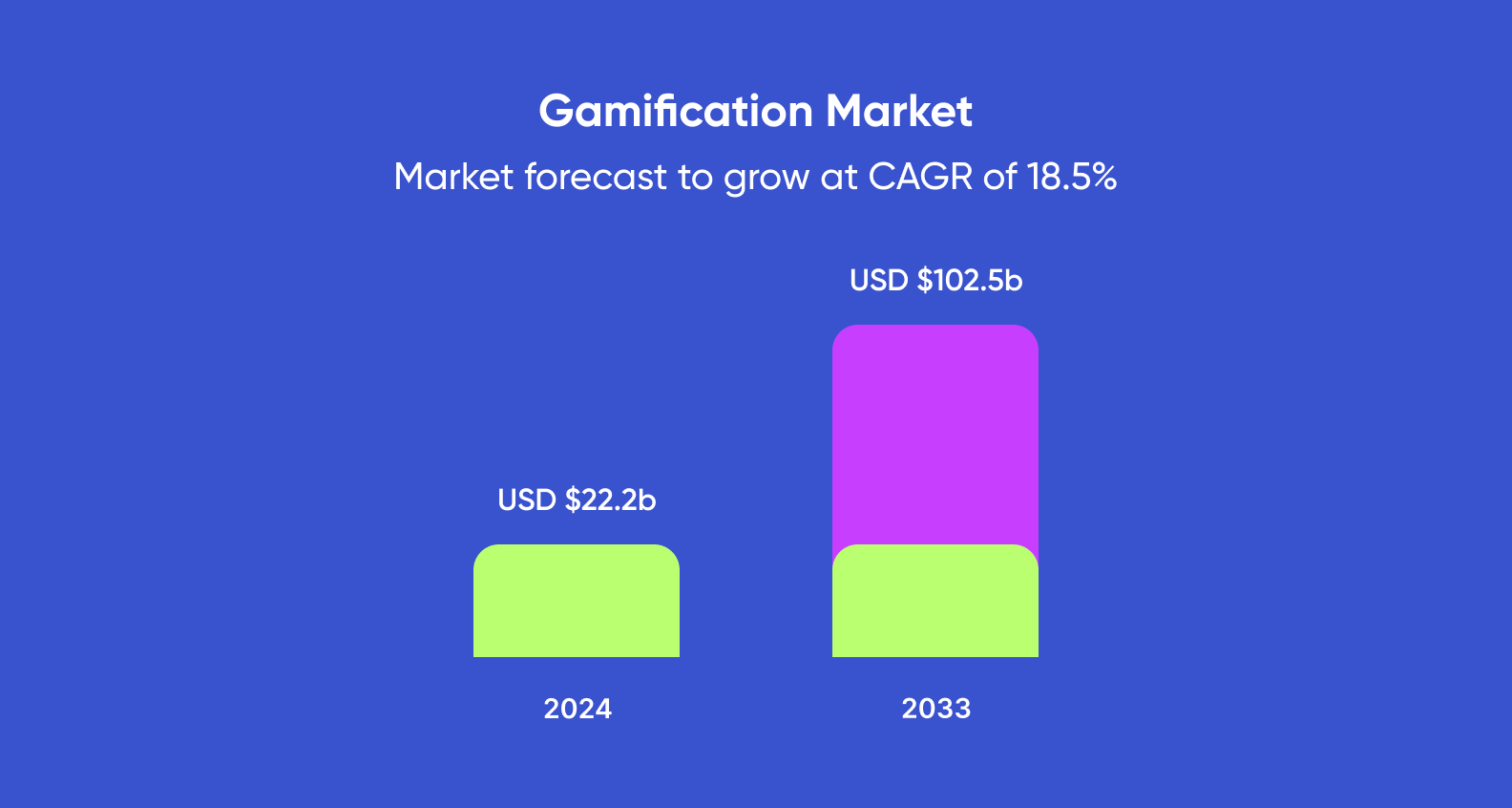
The gamification market in the United States is predicted to grow to over $102 billion at a CAGR of 18.5% by 2033 — a clear proof that investors and product teams now see gamification as a scalable growth lever.
Users are overwhelmed with choices. Gamified experiences cut through the noise by making progress visible and rewarding. Points, streaks, levels, and challenges trigger intrinsic motivation. That’s why people return, not because they have to, but because they want to complete the next step.
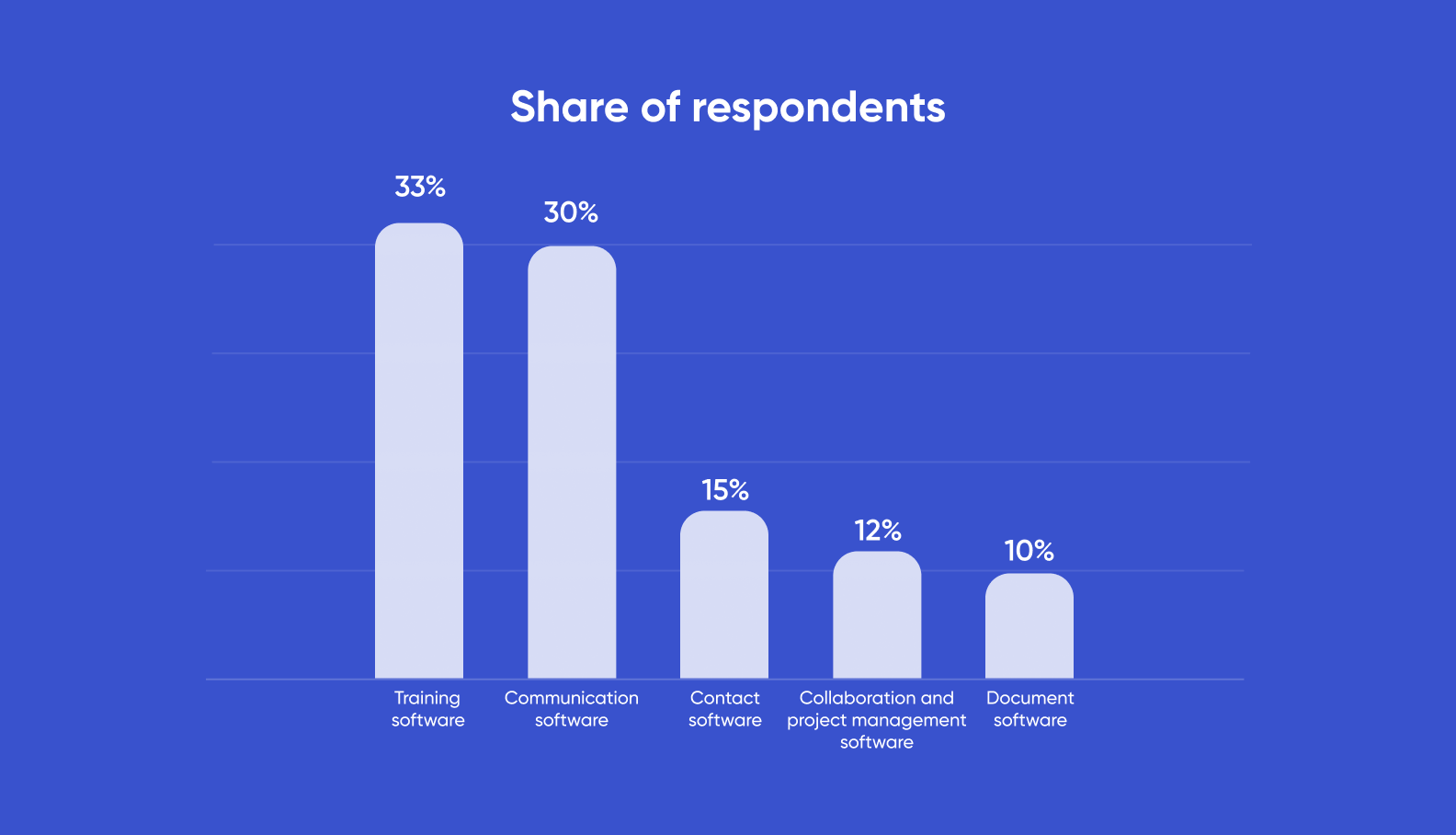
This directly improves retention curves and daily active usage — even when it’s about work and productivity. According to Statista, 89% of employees in the United States believe that gamification increases productivity at work.
Gamification is no longer limited to fitness and language learning. It’s thriving in fintech (saving goals and spending challenges), healthtech (habit tracking and recovery milestones), edtech (skill trees), productivity (focus sessions and achievement systems), and even B2B tools (performance dashboards and team quests). If your app has user actions, it can be gamified.
There are many reasons for the triumph of gamification, but we decided to highlight the five that feel the most relevant.
Gamification adds interactive elements like points, challenges, and rewards that encourage users to spend more time in the app. Instead of passively consuming content, users actively participate, increasing session length and feature usage.
When users feel progress and achievement, they’re more likely to return. Streaks, levels, and milestone rewards create habits. For product owners, this means lower churn and stronger long-term user relationships.
Gamified onboarding turns complex flows into guided missions. Instead of overwhelming new users with features, you gradually introduce functionality through tasks and rewards, improving activation rates.
Gamification encourages users to complete profiles, answer questions, or explore features in exchange for rewards. This helps businesses collect valuable behavioral and preference data without friction.
When users feel emotionally connected through challenges, leaderboards, or community competition, they associate positive experiences with the brand. And it means loyalty and organic word-of-mouth growth.
We at Purrweb are something of gamification app developers ourselves! We have just been talking about how gamification helps turn complex flows into exciting missions.
That’s what happened with Kaiju — a cryptocurrency wallet with games we developed. Of course, the core feature was the wallet: it had to have a one-click setup, the ability to choose and buy NFTs, and crypto payment flows.
But another huge part was the in-app game in the “2048” format. The game motivates users to register in the wallet by offering a daily reward in the form of platform tokens and real cryptocurrency.
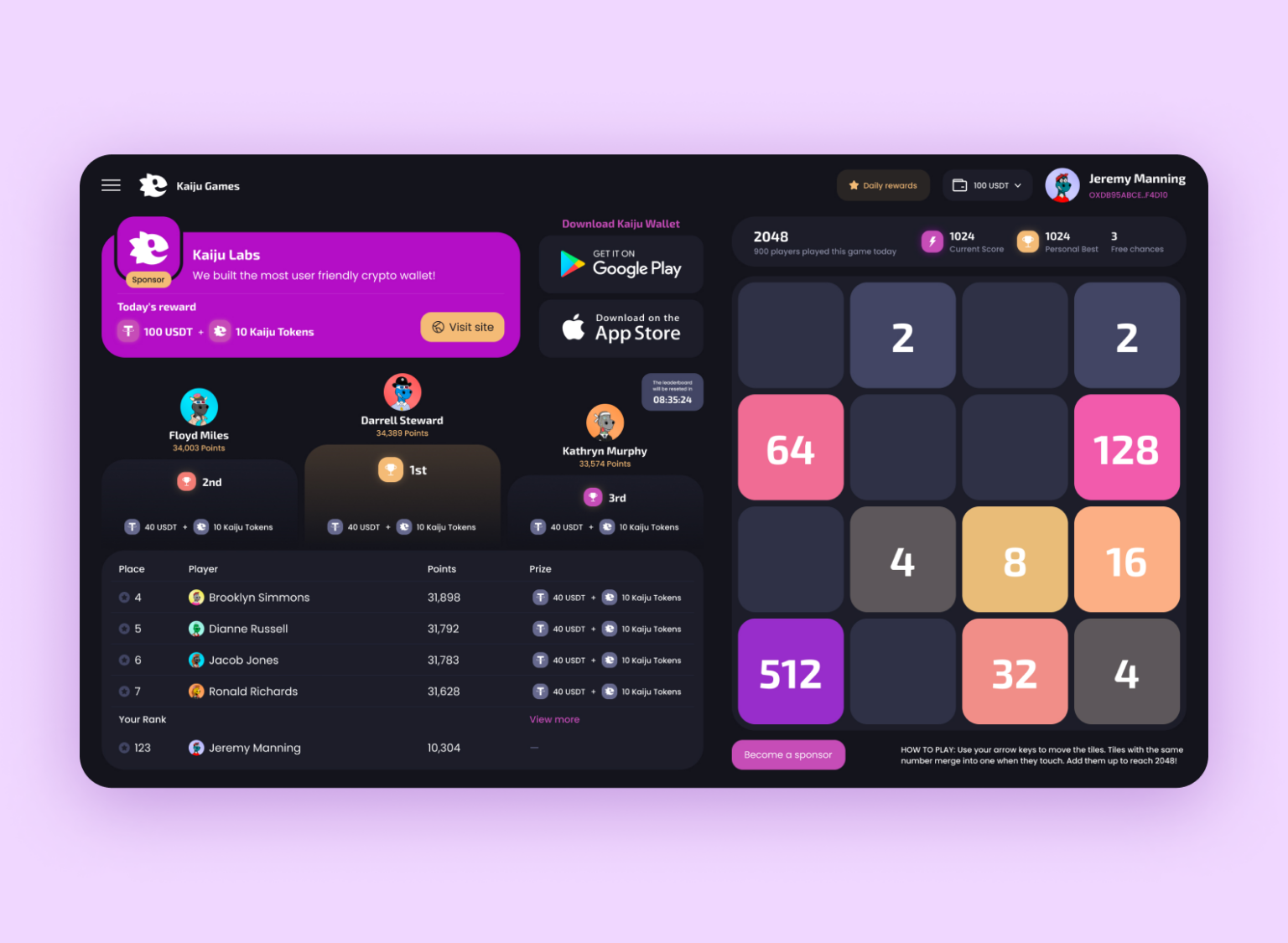
Another mechanic is a leadership system, where the best players also receive similar rewards.
Strava is a social network and a GPS tracking app for runners, cyclists, and hikers. It gamifies what seems like a solitary exercise through segments, leaderboards, and monthly challenges.
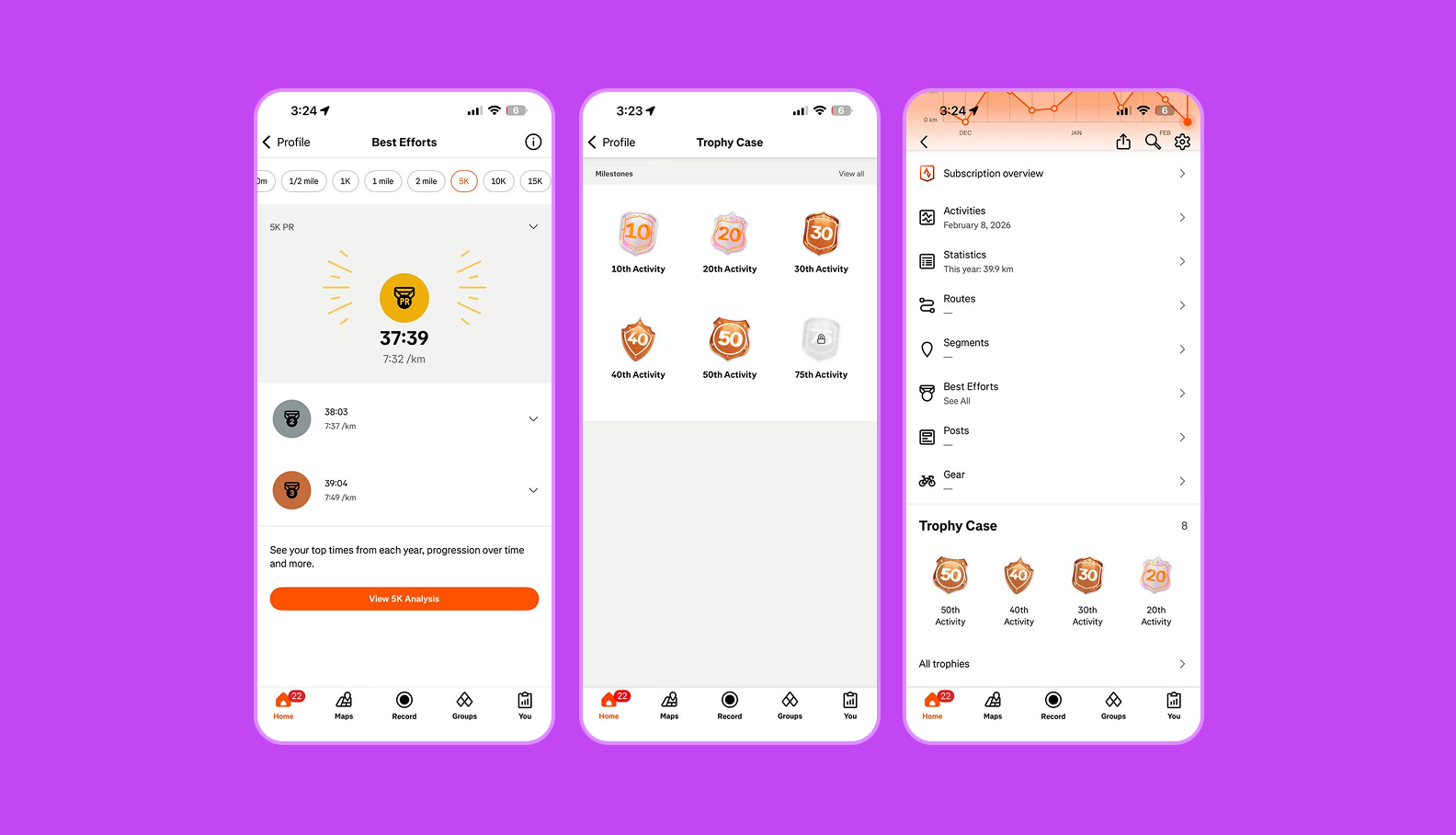
Users compete for “King/Queen of the Mountain” titles on specific routes. The competitive layer, combined with social visibility, keeps athletes coming back.
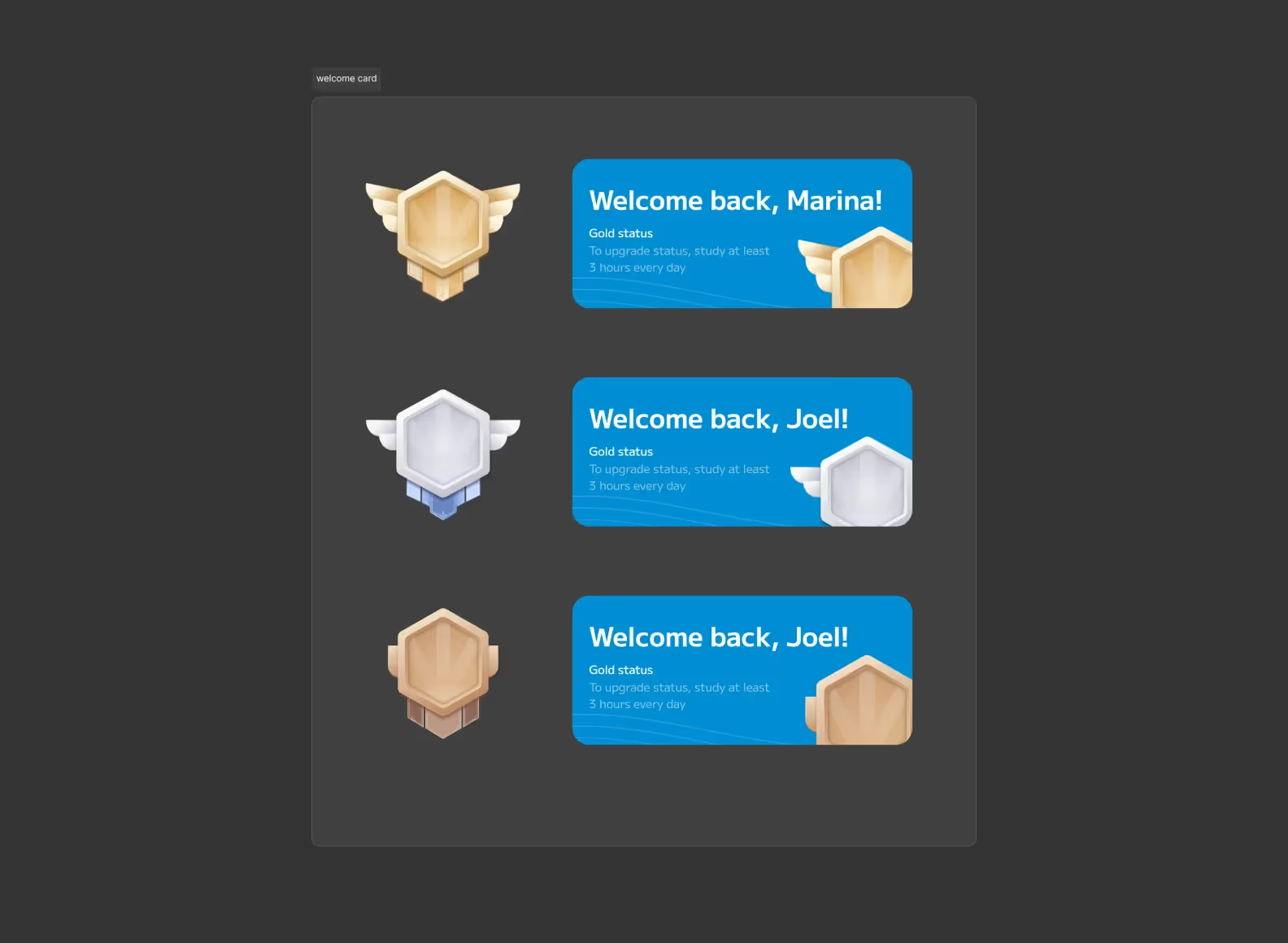
You didn’t think we wouldn’t mention the actual king of app gamification, did you? Of course, among all apps, Duolingo was among the pioneers of gamification with its streak system, various achievements and in-app quests, and even its own lore and characters.
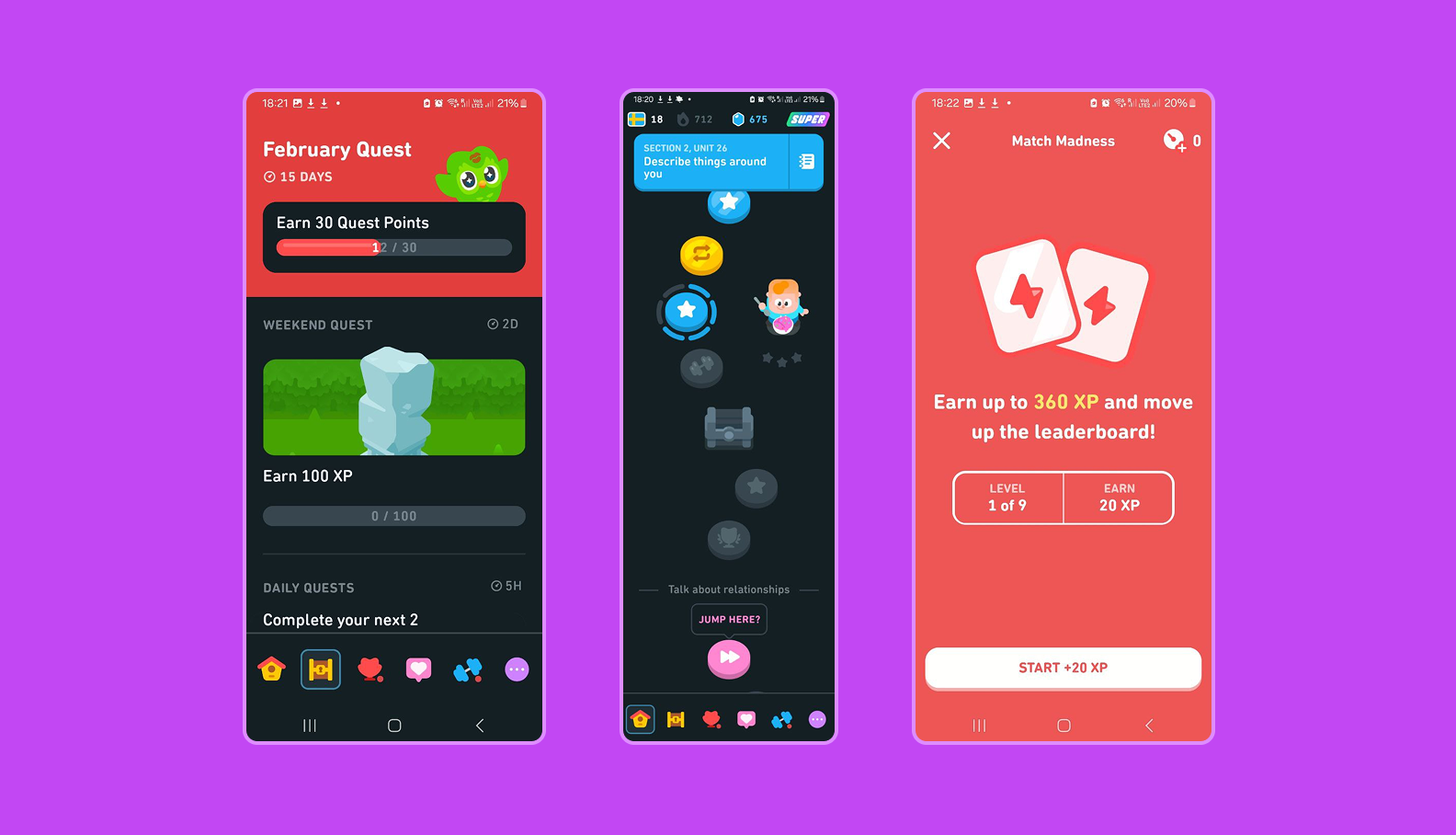
The quest system is constantly upgraded, and the best players compete in various kinds of leagues — from golden to diamond. Duolingo also utilizes pop-ups and notifications with its signature passive aggressive reminders and widgets.
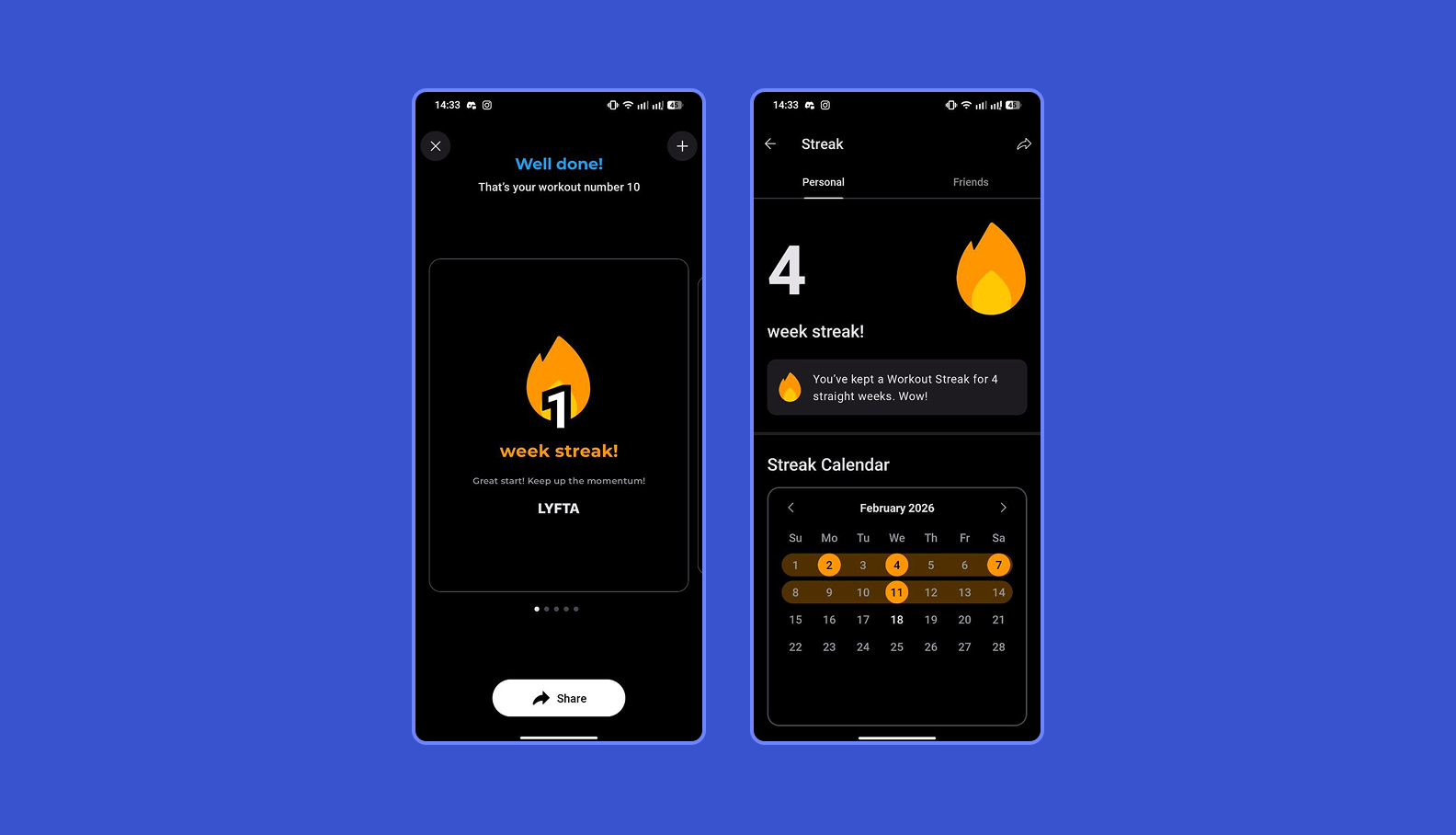
Lyfta is a workout app that also implements the “streak” mechanic. It also features automatic session logging, allowing users to build or follow routines. Just like Strava, Lyfta also has the social network element where users motivate each other and share their goals.
Dosis is a streaming platform with an in-app crypto wallet and marketplace. We developed it for Spain without actually speaking Spanish, but managed to deliver all features and implement some gamification elements.
The main purpose of the app is to connect movie and TV creators and their audience, so that fans could directly pay the creators they feel like supporting. They can do that with the help of the crypto wallet.
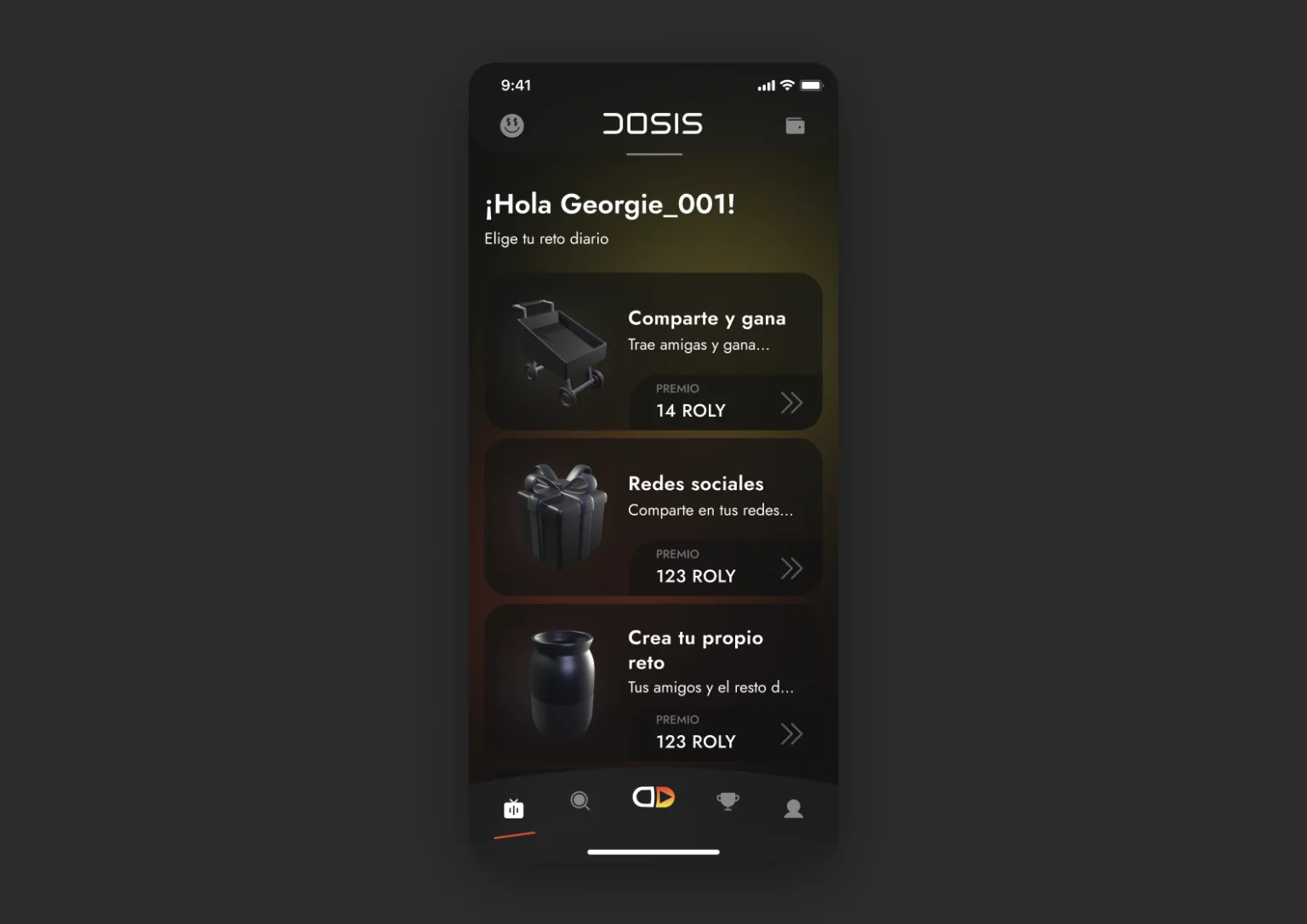
Among the mechanics we implemented were challenges and achievements. The more you support your creators and engage with the community — the more you win.
SOAK is an e-cigarette* brand that asked us to develop an app for its sellers. We usually develop MVPs from scratch, but they came to us with ready-made designs, so our task was limited to development.
Since the app’s audience was potential sellers, the goal was to help them know more about the product. We achieved that by adding gamification elements. The sellers would complete tasks and get prizes for correct answers. This way, getting to know the product gets way more exciting.

*We do not encourage you to smoke and remind you that smoking any nicotine products is harmful to your health.
Mimo is an app that helps users learn to code — through gamification. Fans of Duolingo will quickly see where the inspiration came from:
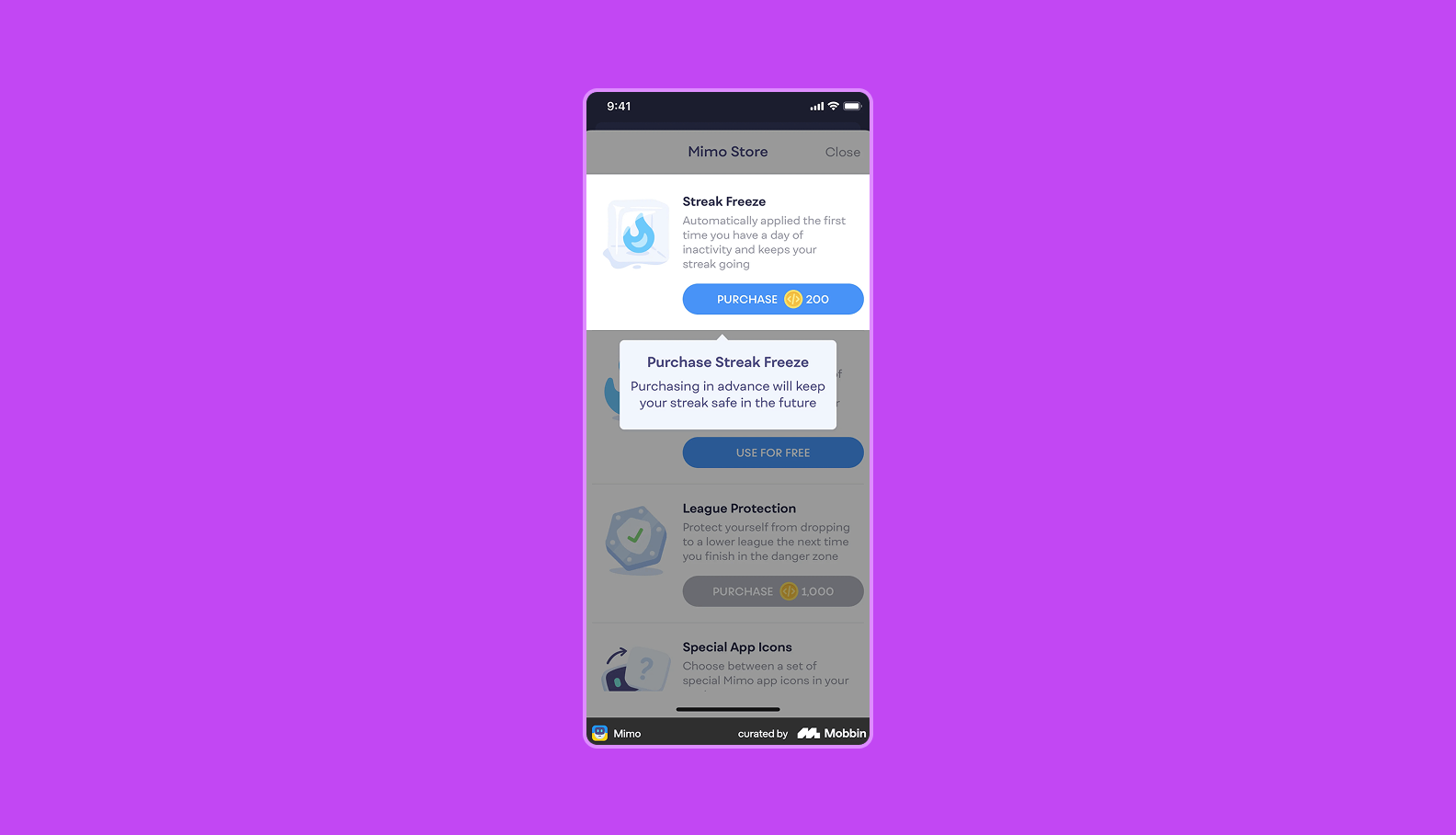
Mimo uses streaks, daily challenges, XP points, and skill paths to turn learning programming into a game-like progression system. Micro-wins and instant feedback help users stay consistent in mastering technical skills.
LinkedIn implemented gamification in a more straight-forward way. Instead of turning the daily UX routine into a gamified process, it included mini-games into the platform: for example, Zip. In between hiring, searching for a job, or being excited to announce a milestone, LinkedIn users can treat themselves with a quick game.
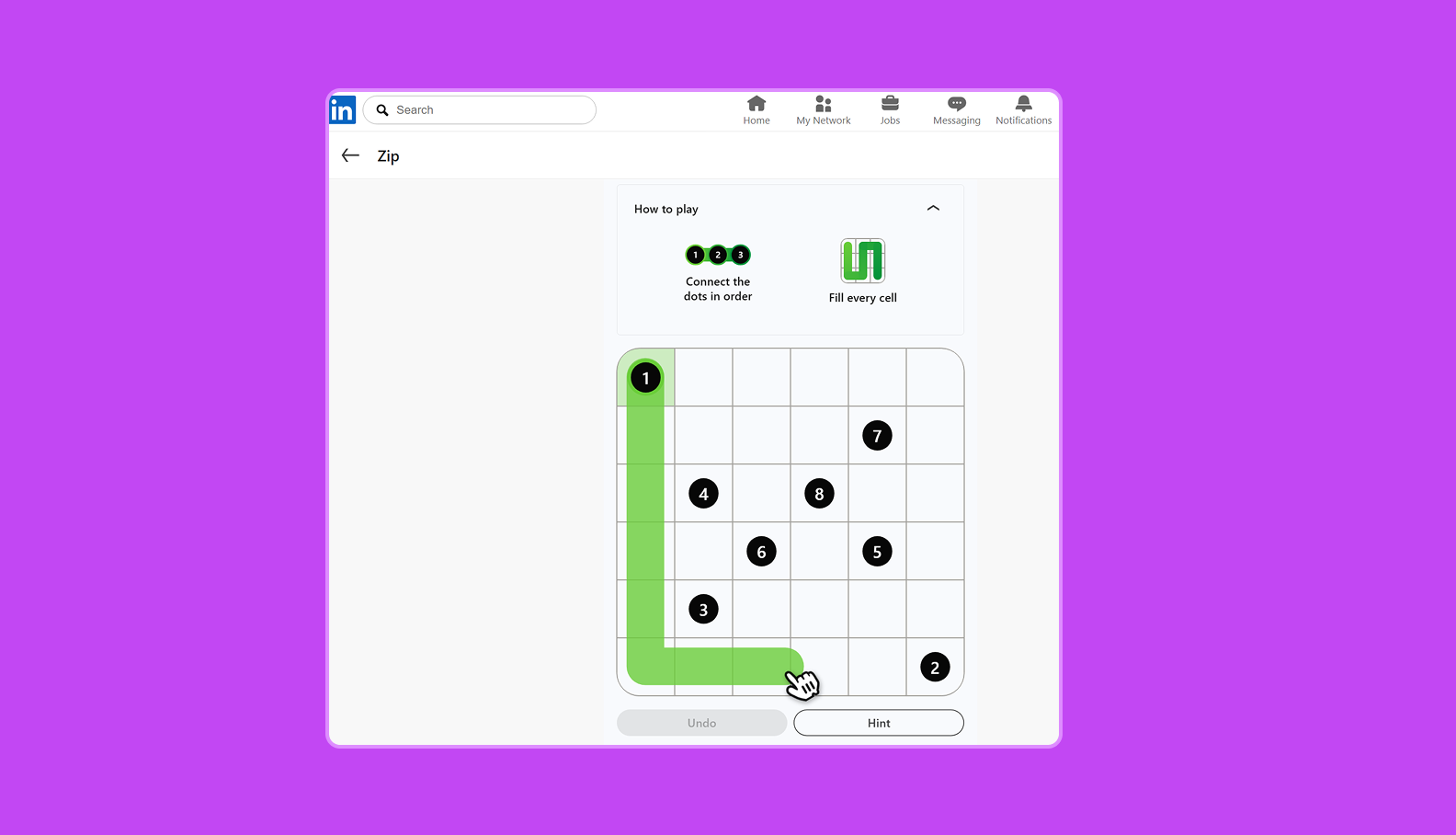
Remember when The New York Times boosted engagement with their daily Wordle puzzles? This strategy still works. According to LinkedIn’s own data, 84% of people who play today will play again the next day, and 80% will still be playing a week from that moment.
Zeroney is an EdTech platform we developed that makes training for complex and in-demand professions, such as Data Science, VR/AR technologies, and AI, accessible to many users. The platform works for users in Japan and Myanmar.
This is not exactly a green owl-like project, because Zeroney remains an educational platform, not a game. But there are gamification elements: for example, we incorporated motivational elements akin to those in games.
There is also a rewards system and a progress bar, as well as a rating to help motivate students.
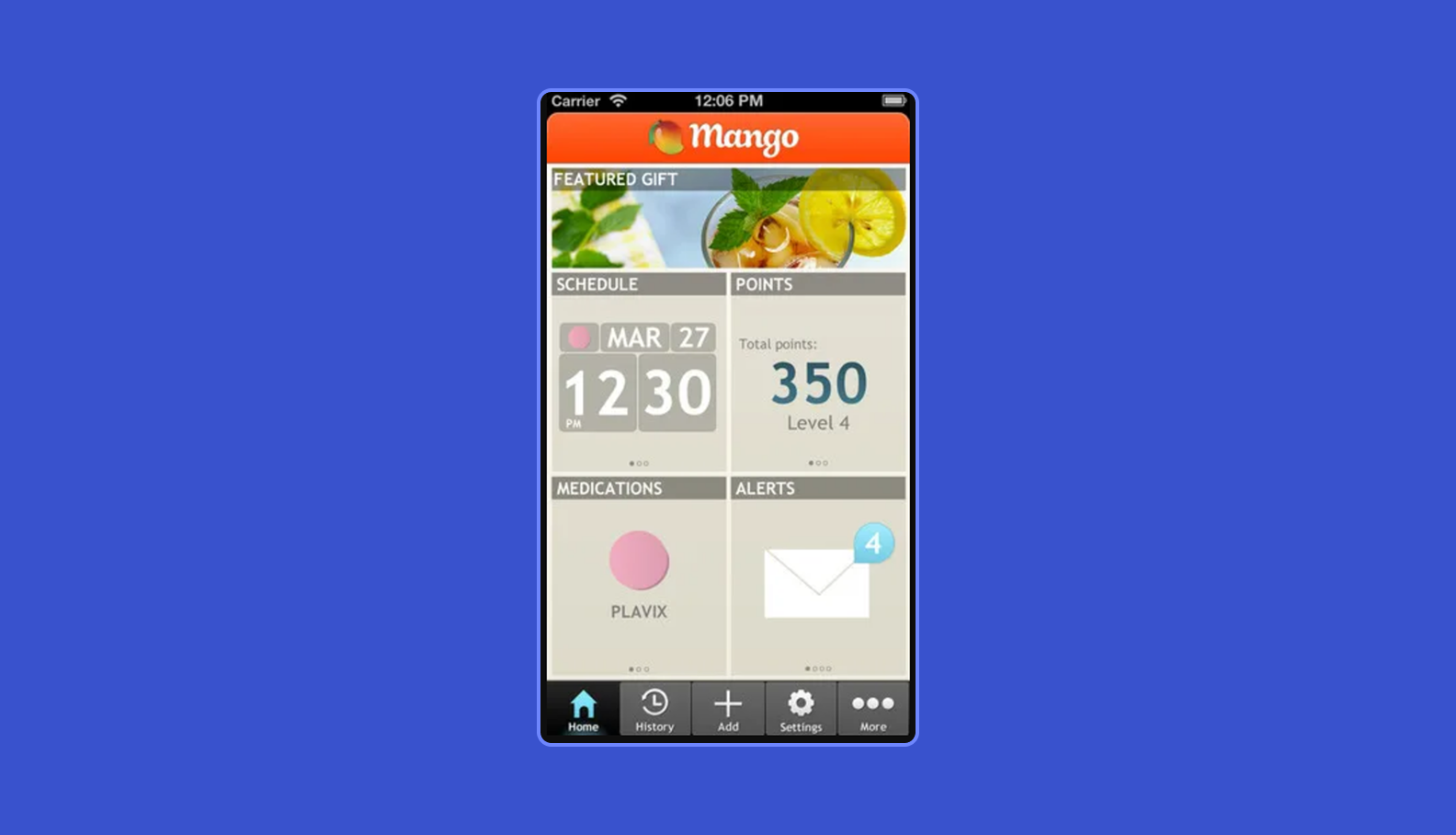
Mango Health is a medication management app that uses gamification to help users track medication, set reminders, and check for potential drug interactions.
It gives users points and rewards for taking their meds on time. It also offers reminders, health tips, and a visual “health score” to motivate consistent behavior.
Gamification can work pretty much in every app, provided that your brand, business goals, and mobile development expertise allow it. Here are several examples of how gamified apps work in different industries.
In healthtech and fitness apps, gamification improves adherence and habit formation. Streaks, progress tracking, challenges, and rewards motivate users to take medication, exercise, meditate, or follow treatment plans consistently. Businesses get better retention and measurable behavior change.
Even a “serious” industry such as fintech utilizes gamification to help users build healthier financial habits. Savings goals, achievement badges, spending insights, and challenges encourage responsible money management. Gamified fintech products increase daily engagement and long-term customer loyalty.
Learning platforms use levels, quizzes, points, and skill progression to make education interactive. Gamified learning boosts completion rates and keeps users engaged longer, especially in mobile-first environments.
Retail apps apply gamification through loyalty programs, limited-time challenges, referral bonuses, and tier systems. These mechanics drive repeat purchases, increase average order value, and create a sense of exclusivity around the brand.
Gamification shouldn’t feel forced, or it can ruin even the best user experience. Below are three tips that will protect your business from the “game over” screen.
Gamification should solve a product problem such as low retention, weak onboarding, or poor engagement. Its point can’t simply revolve around “making the app fun.” Define the KPI first (activation rate, daily active users, feature adoption), then choose mechanics that directly support that goal.
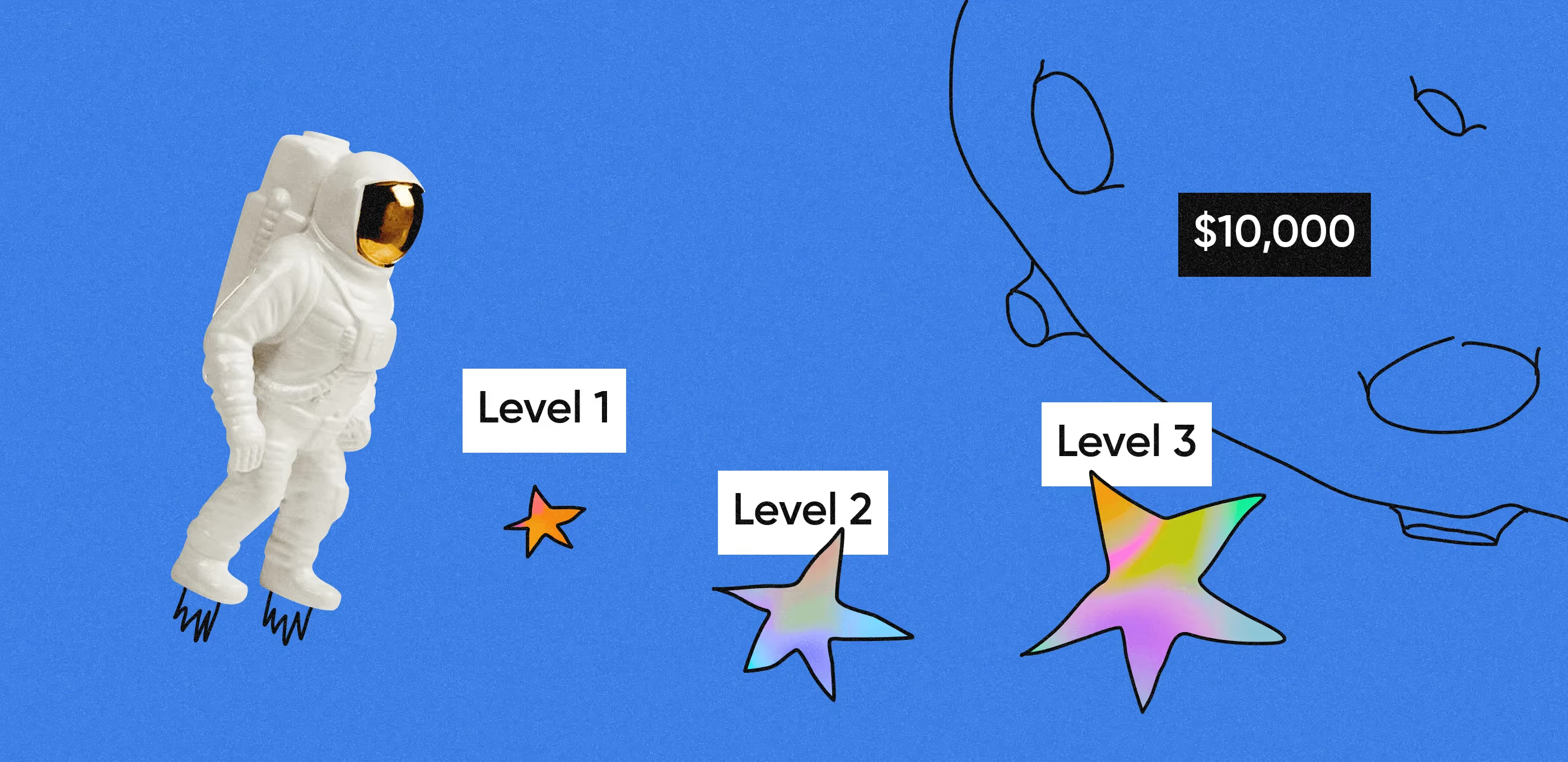
Points and badges work, but only short-term if not supported by deeper motivation. Combine instant rewards (micro-wins) with long-term progression systems like levels, unlockable features, or status tiers to build sustainable engagement.
Overcomplicated rules confuse users and hurt adoption. Gamification should feel natural and integrated into the product flow, not like a separate mini-game (unless you’re actually going for a separate mini-game, like LinkedIn). Clear progress indicators, simple rewards, and transparent rules improve effectiveness.
Before jumping to develop a gamified app, you should start with product discovery and defining your business goals. Here are several steps that may help on the way.
Start with clarity: what behavior do you want to drive? Daily logins, feature adoption, repeat purchases, treatment adherence? Gamification must support measurable KPIs. At this stage, we align business objectives with user motivations and define success metrics.
Not all users respond to competition. Some prefer achievement, others collaboration or personal progress. Analyze your audience, segment users, and identify what psychological triggers (status, rewards, mastery, social proof) will resonate most.
Now you translate strategy into mechanics: points, streaks, levels, challenges, leaderboards, quests, rewards, and unlockable content. The key is balance — mechanics should enhance the product experience, not distract from its main purpose.
Gamification must feel native to the app. UX designers embed progress bars, achievements, and feedback loops into user flows. Game developers implement logic, tracking systems, reward engines, and analytics to support scalable growth.
Make sure your gamified app works exactly as you planned, both in iOS and Android.

Gamification isn’t adding points and badges. It means designing experiences that make users want to come back. When done right, it strengthens onboarding, increases retention, and turns routine actions into rewarding journeys across fintech, healthtech, edtech, and beyond.
➡️If you’re exploring gamification for your product, start with clear metrics, test mechanics early, and scale what actually drives engagement. And if you need a team that can turn game logic into measurable product outcomes, Purrweb can help you design, build, and launch a gamified experience that users stick with.
<a class="blog-modal_opener">Tell us about your project</a> and get a free estimation in 48 hours.