Explore

Need help with your project?

Oops! Something went wrong while submitting the form.
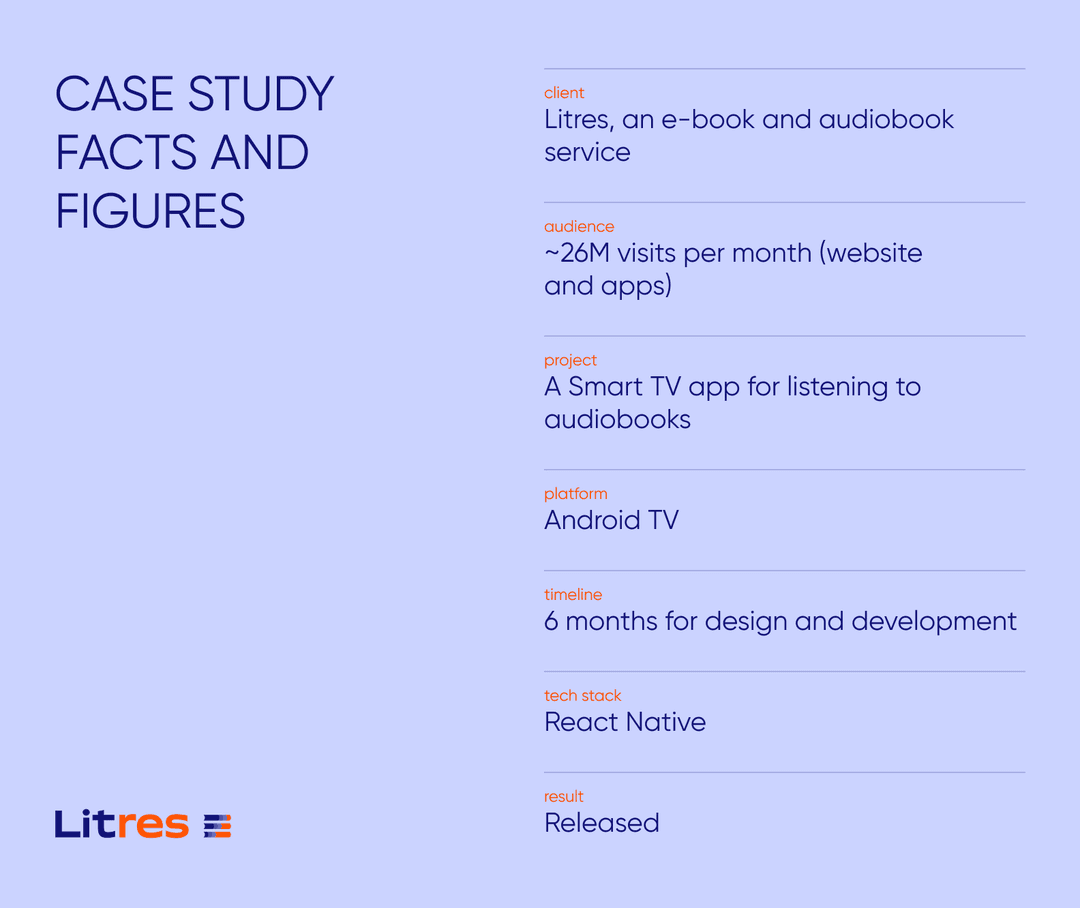
What do you do when you need to quickly build a new product, but your in-house team can’t take on additional tasks? Our client — Litres, an e-book and audiobook service — decided to bring in an outsourced team that could handle tight deadlines. That team was us, Purrweb. In 6 months, we helped build a Smart TV app that lets users listen to audiobooks — right on their TVs!


In this case study, we’ll share which interesting features we implemented, how we kept navigation in focus, and how we maintained speed to deliver the app on time.
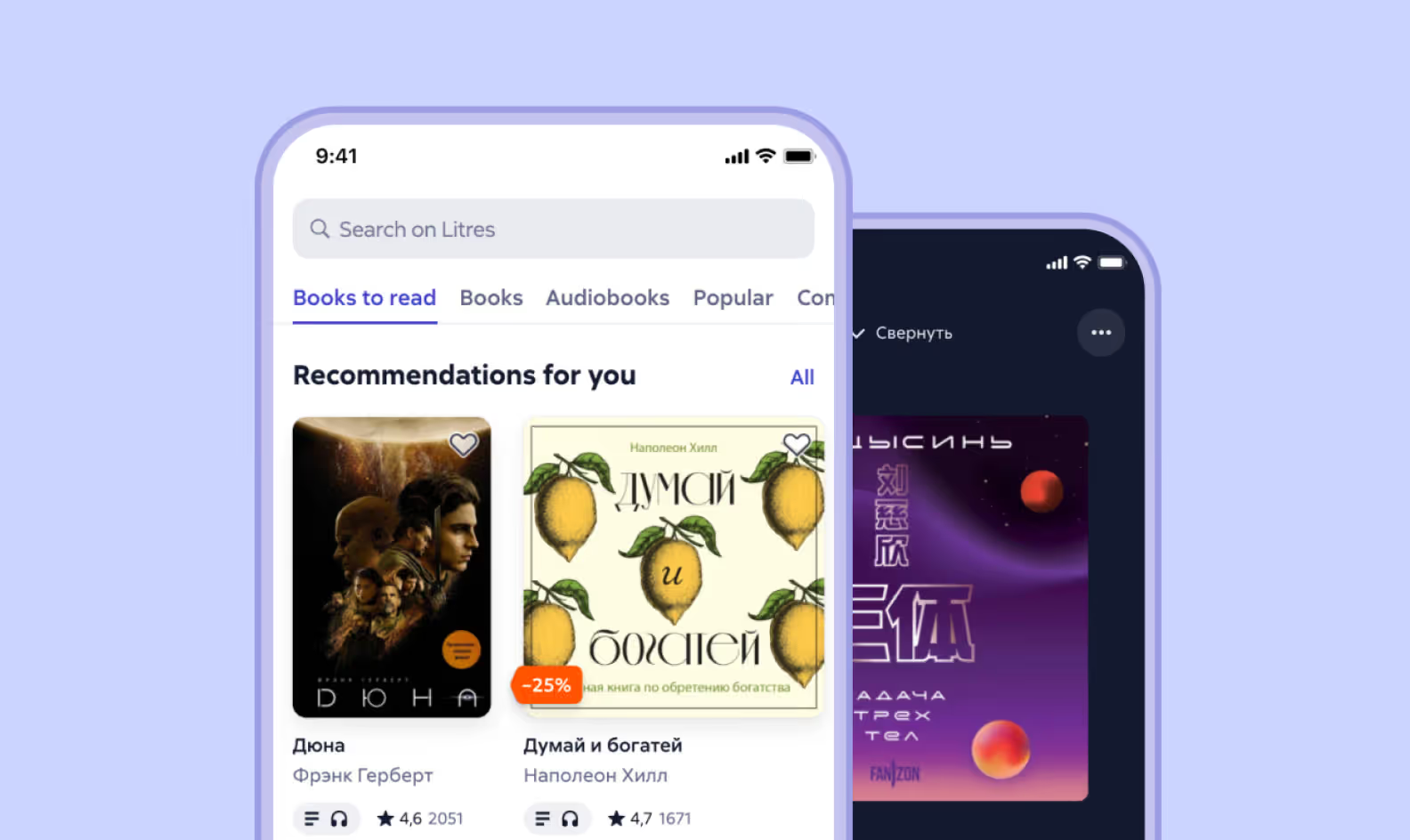
Litres is an e-book and audiobook service, with about 26M monthly visits (website and apps). Its catalog includes over 1.6M content items — e-books and audiobooks, podcasts, lectures, comics, and audio plays. The company develops several products:
The team decided to expand to a new platform by building a Smart TV app. Because user behavior patterns are changing.
In 2024, there were around 270 million regular audiobook listeners worldwide. At the same time, users want to listen to their favorite books on different devices — not just on their smartphones on the way home from work, but also at home on the couch or during dinner. That’s why the request “I want to listen on TV” is becoming more and more common.
And modern Smart TVs have long evolved beyond traditional television and became full-fledged multimedia hubs — including for listening to audio content.
Litres decided to launch its own Smart TV app so users can listen to audiobooks wherever they like.
At first, the client wanted to make sure the new product would be in demand. So the plan was to deliver an MVP with key features on a tight timeline, collect feedback, and then decide whether the project should be developed further.
The main Litres team was busy, so developing a new solution with basic functionality could take a long time.
In this situation, many companies prefer to hand off the development of a new project to an outsourcing team so that internal specialists aren’t distracted by an unproven direction that isn’t generating profit yet.
Also, in-house teams rarely deliver the same speed as outsourcing: an external team is fully focused on one project, there’s no need to reshuffle internal resources, and you don’t have to wait for a backlog scheduled two quarters ahead to clear up.
Litres also decided to hire an outsourcing team that could deliver results in 3 months. That team was us, Purrweb. They chose to work with us for several reasons:
| 📺 We already had experience developing Smart TV apps: we’d built several projects, and we understood the technical specifics, capabilities, and limitations of Smart TV platforms. 🚀 We suggested several practical options for optimizing speed and meeting a tight deadline. 🏃♀️ We’re comfortable jumping into a project quickly and running stages in parallel: while designers draw black-and-white wireframes, developers are already designing the architecture. |
We know that large companies need to build high-quality MVPs in a few months to quickly discard unprofitable ideas. It's realistic to build a great product in weeks when processes are well-established.
At Purrweb, we don't waste time on unnecessary work: we use ready-made libraries and modules, automate routine tasks with AI tools, and bring in exactly the right number of people. At the same time, speed doesn't mean compromising quality — we just work smart 😏
As part of this project, we had to:
Typically, we handle both the frontend and backend on projects. However, when the client already has a server-side with ready-made logic, our job is to integrate the new product into the existing infrastructure. That’s exactly what happened here. For the Smart TV app, we developed the client-side, working with Litres’ existing digital book catalog.
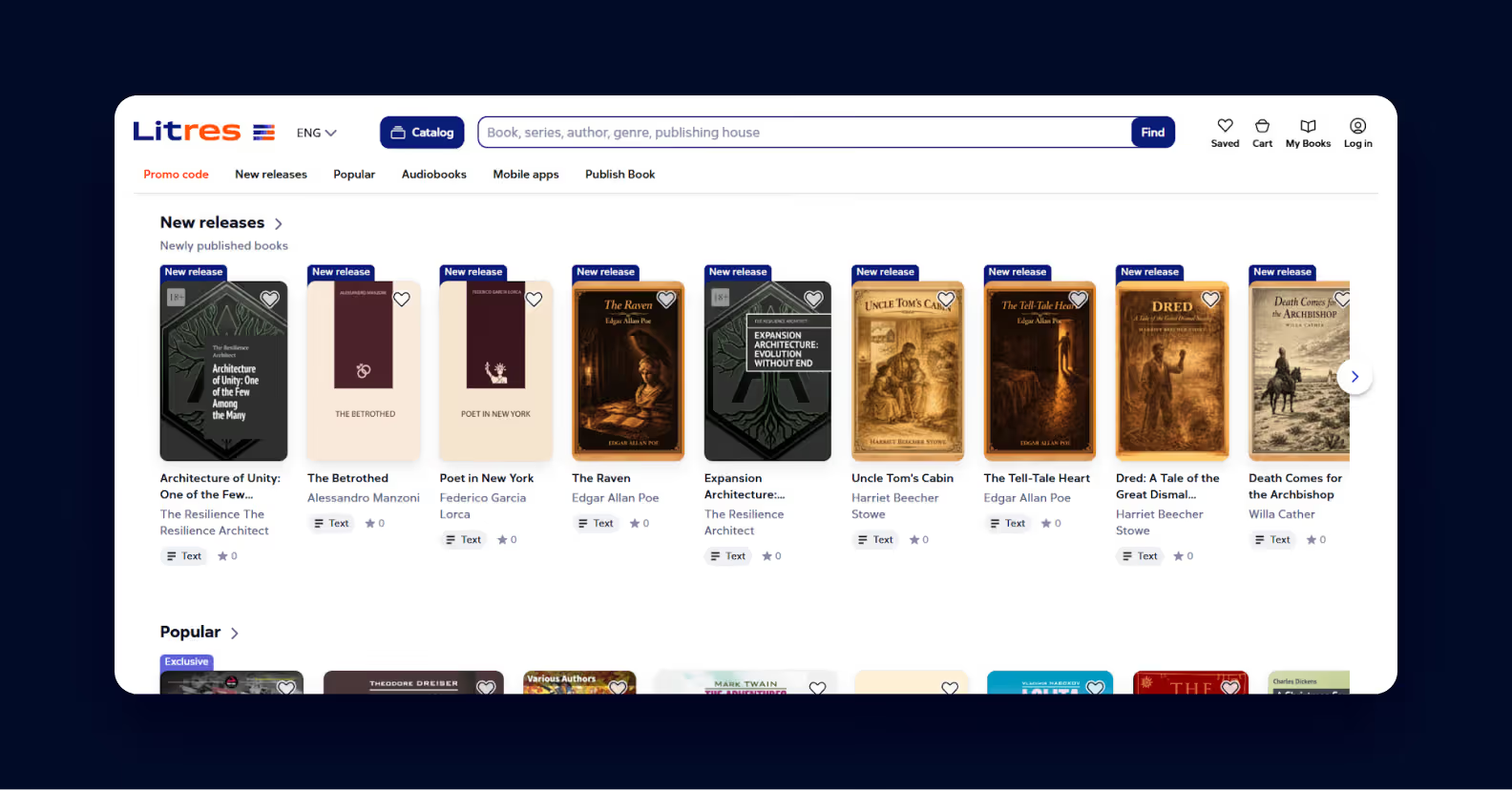
On the one hand, the app isn’t that different from similar TV-platform products: we followed the best market practices and used familiar user patterns. But its killer feature is the content itself — audiobooks. And the entire user flow is designed to make listening as convenient as possible.
Let’s turn on the TV and start listening to your favorite book!
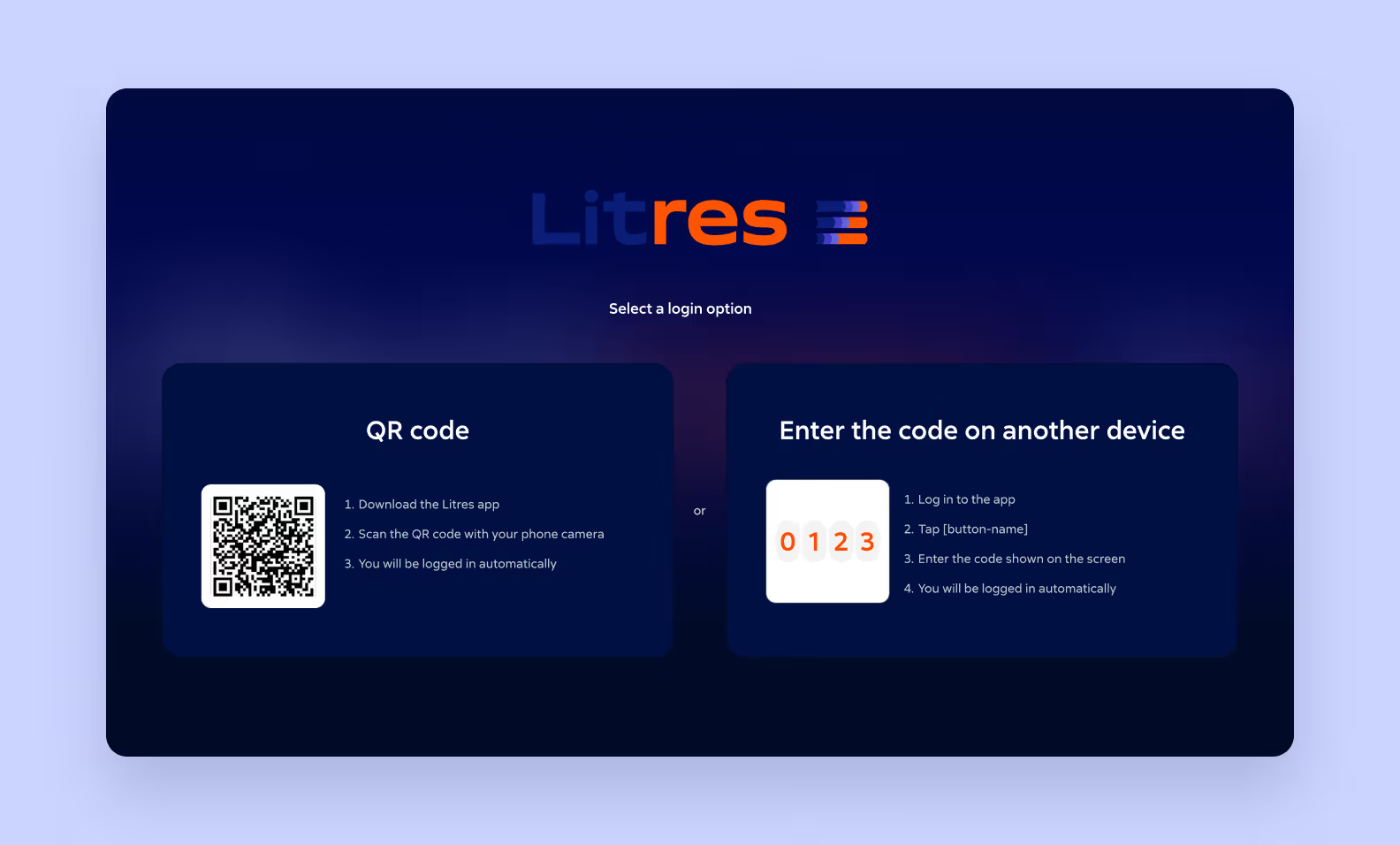
Authorization. We built a convenient and fast QR-code login via the already installed Litres mobile app. This is a common pattern in many Smart TV solutions.
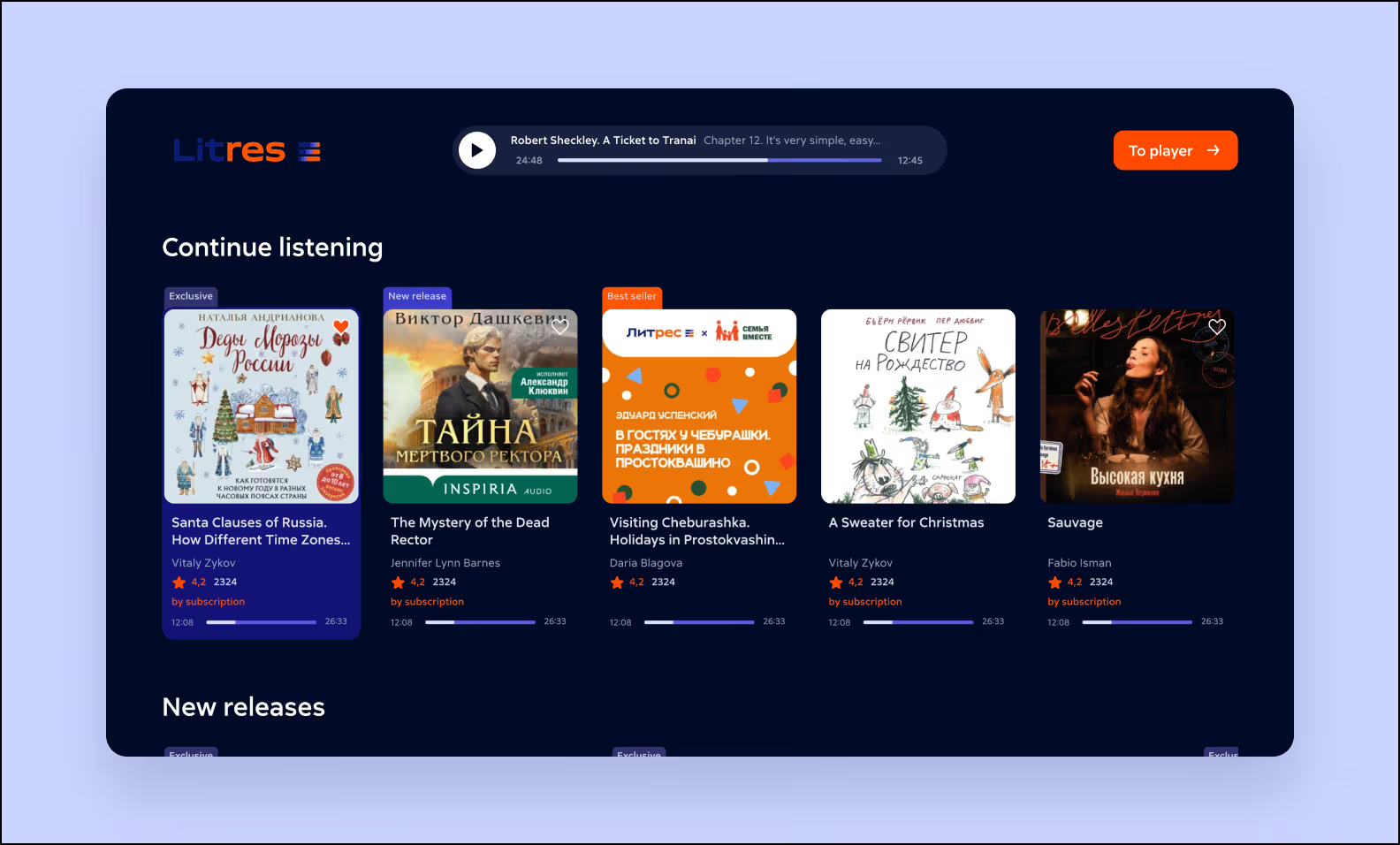
Home screen with the audiobooks catalog. The heart of our TV app. First, it shows the content that the user is already listening to, including content from other devices, so that they can quickly continue listening to a book without searching across screens. The audio tracks are synced.
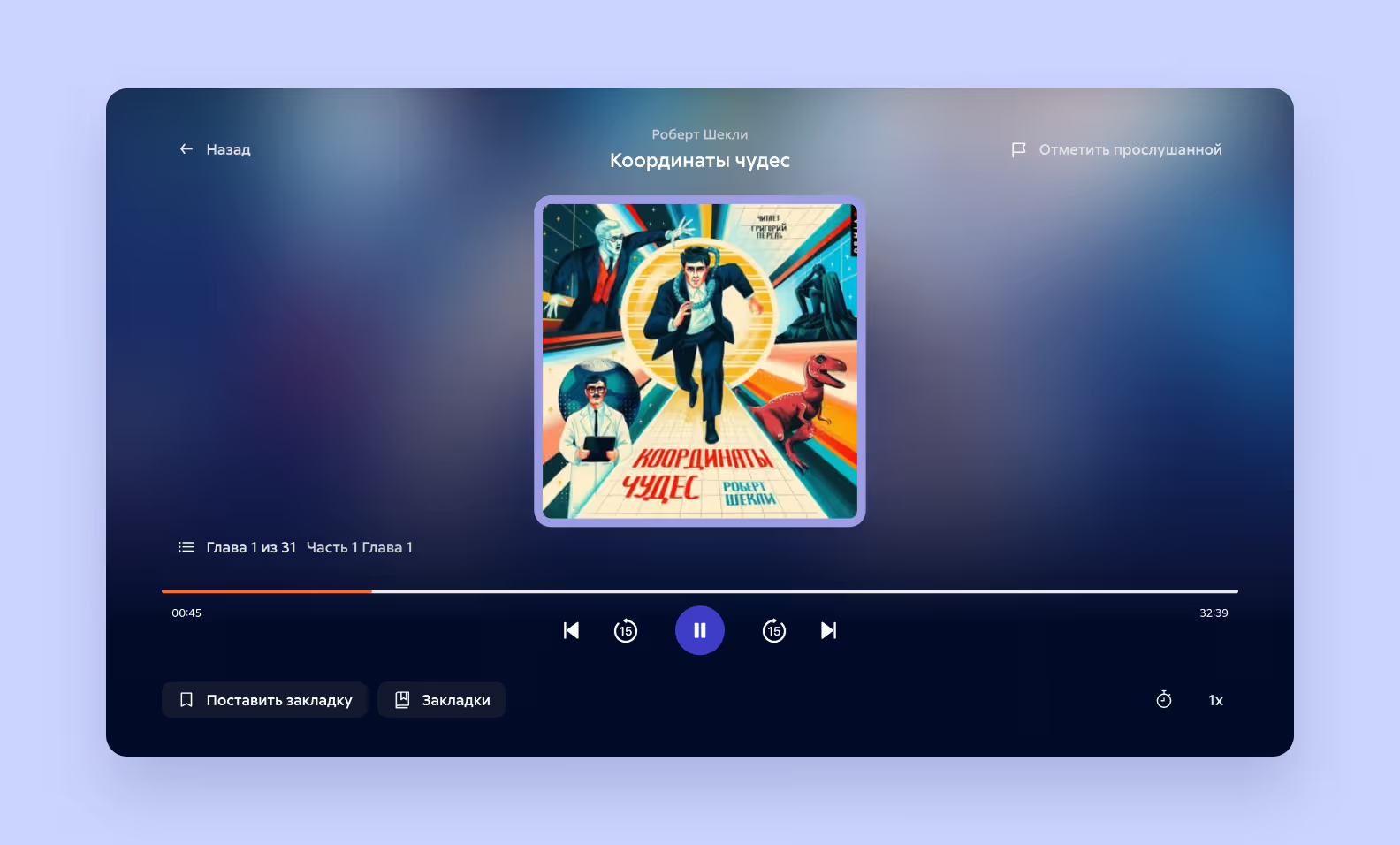
Player. The player controls include:
Search. We made it super convenient, with suggestions — so users don’t have to press every letter on the TV keyboard with the remote to type the full title.
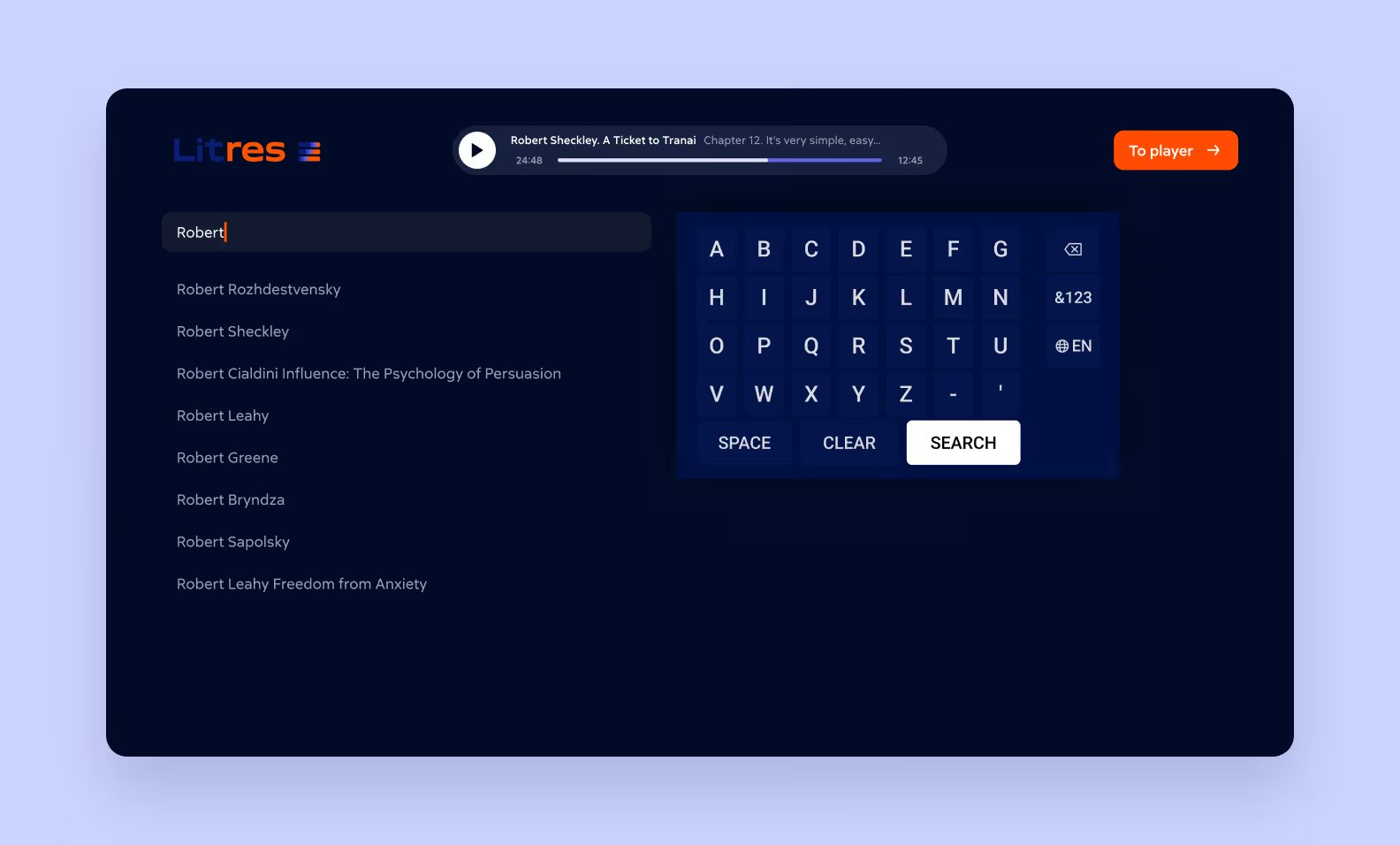
In the catalog, you can search not only by author/title, but also by series, genre, and narrator.
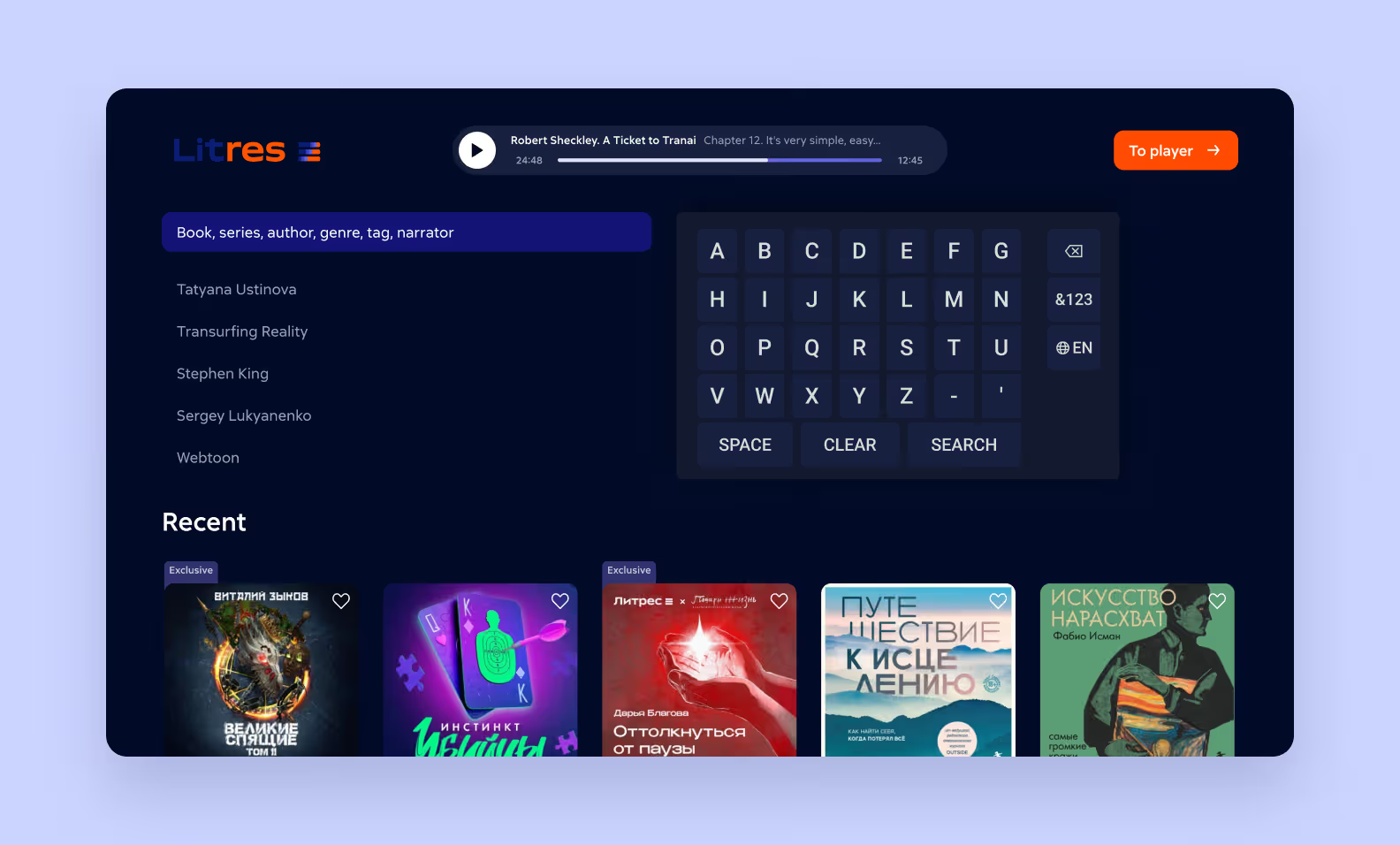
Search results grouped by categories. Providing smart results ensures that users don’t have to scroll through every keyword match. We filter results by categories — books, authors, collections, series, tags, and so on. Without this, the user would see hundreds of results.
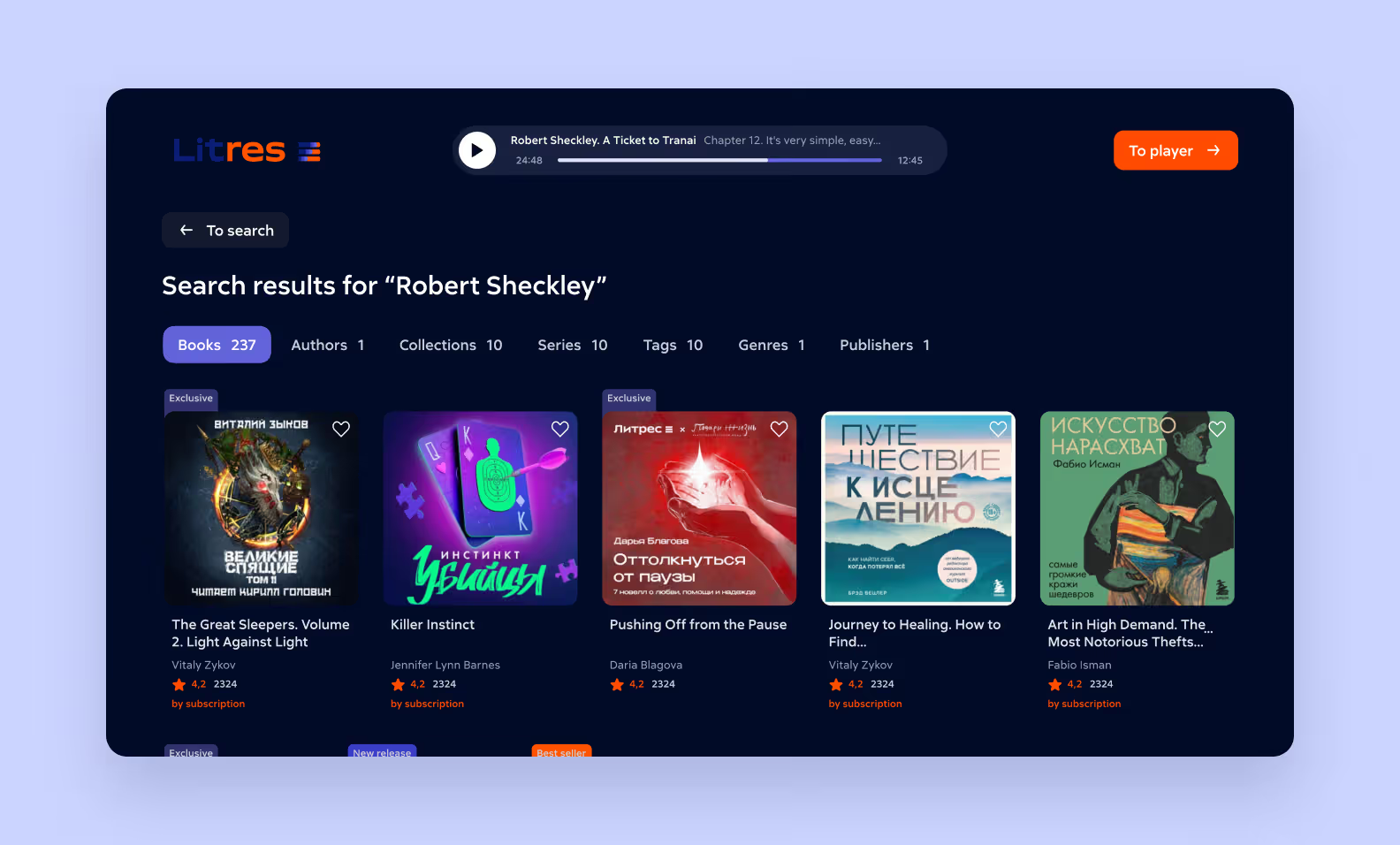
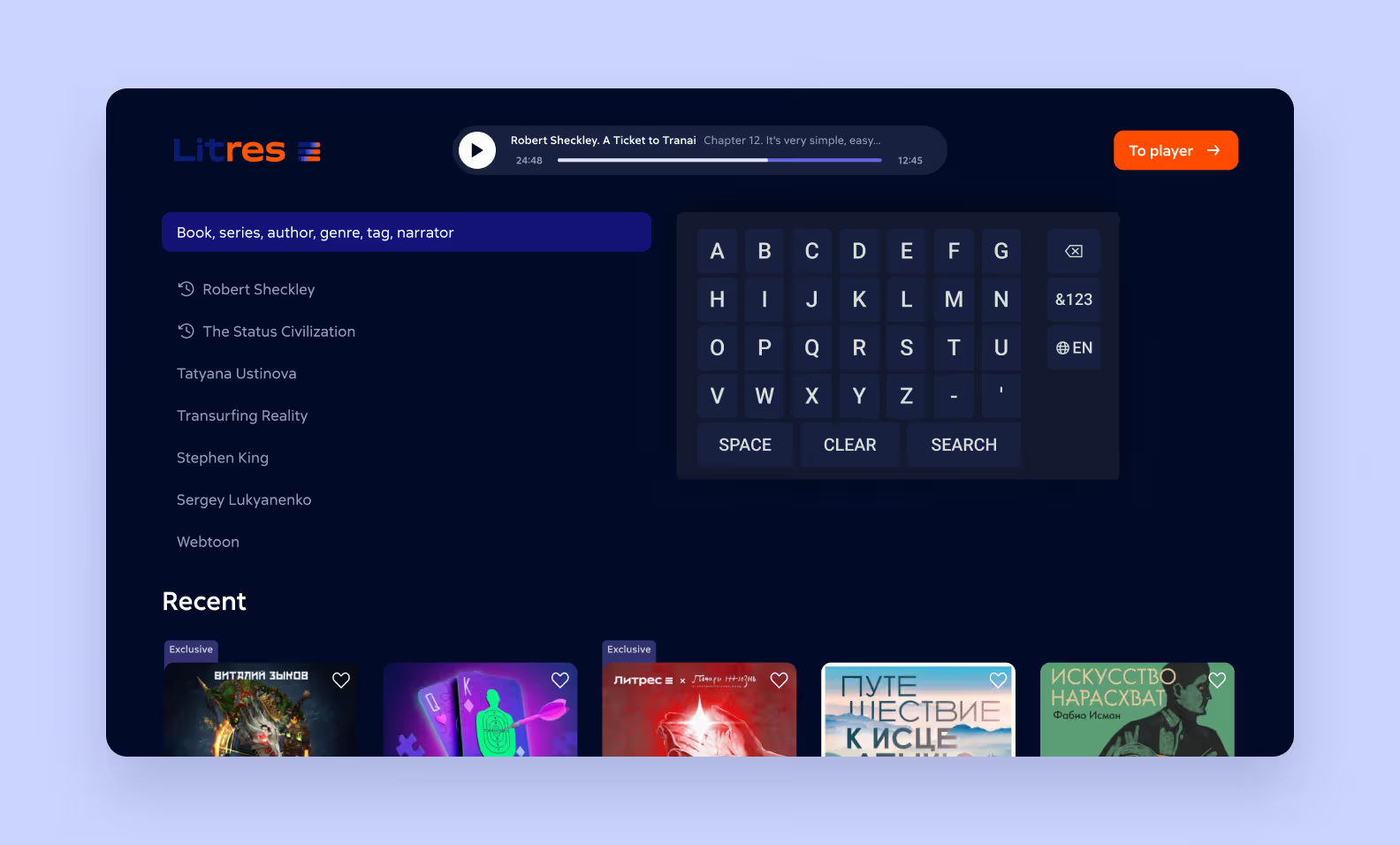
Recent searches. We save your recent searches — so you don’t need to enter them again and can quickly resume a book you listened to recently.
“My Books” and genre selection. In the “My Books” section, users can choose from their previously purchased books, saved items, lists, authors, and listened titles.
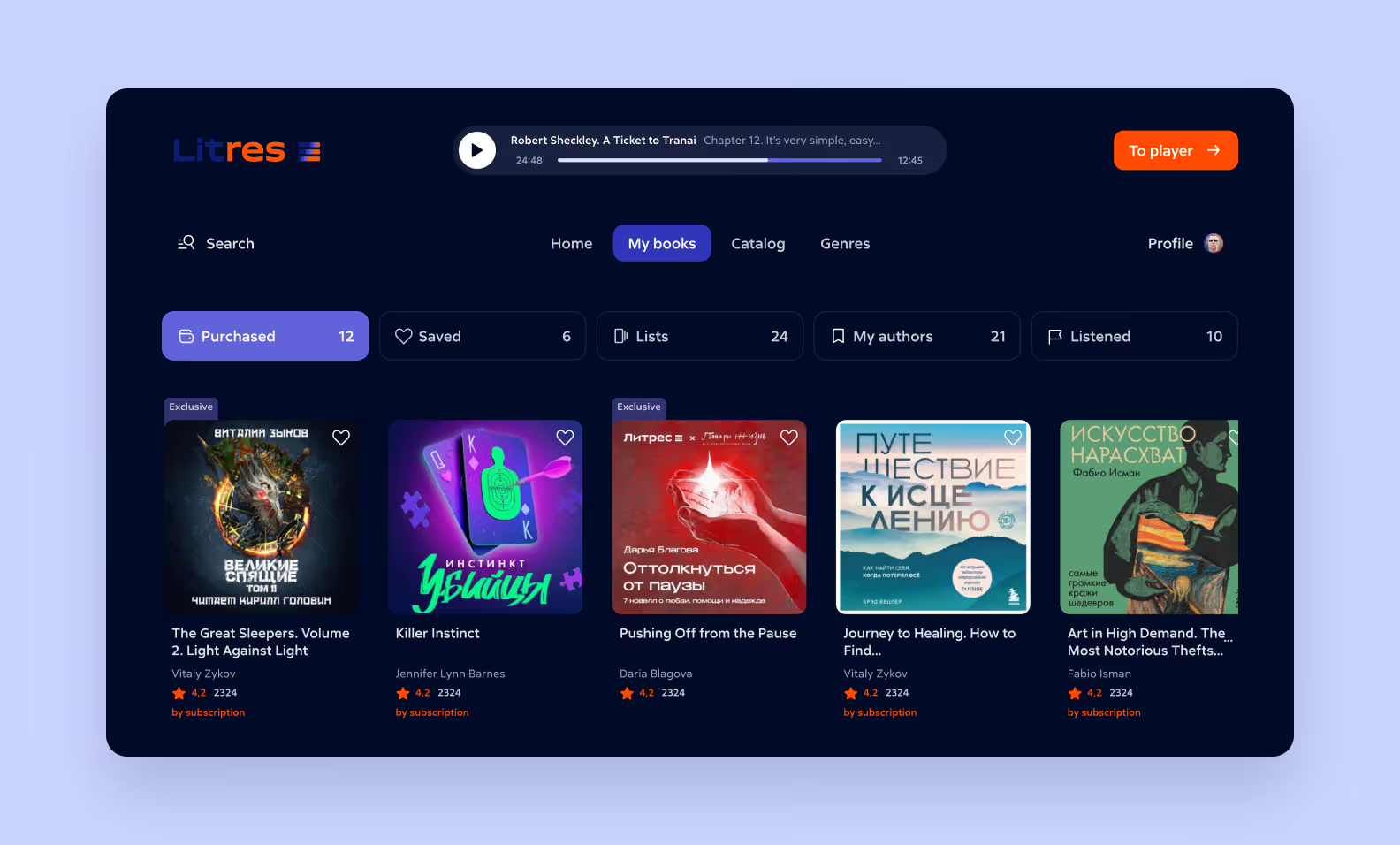
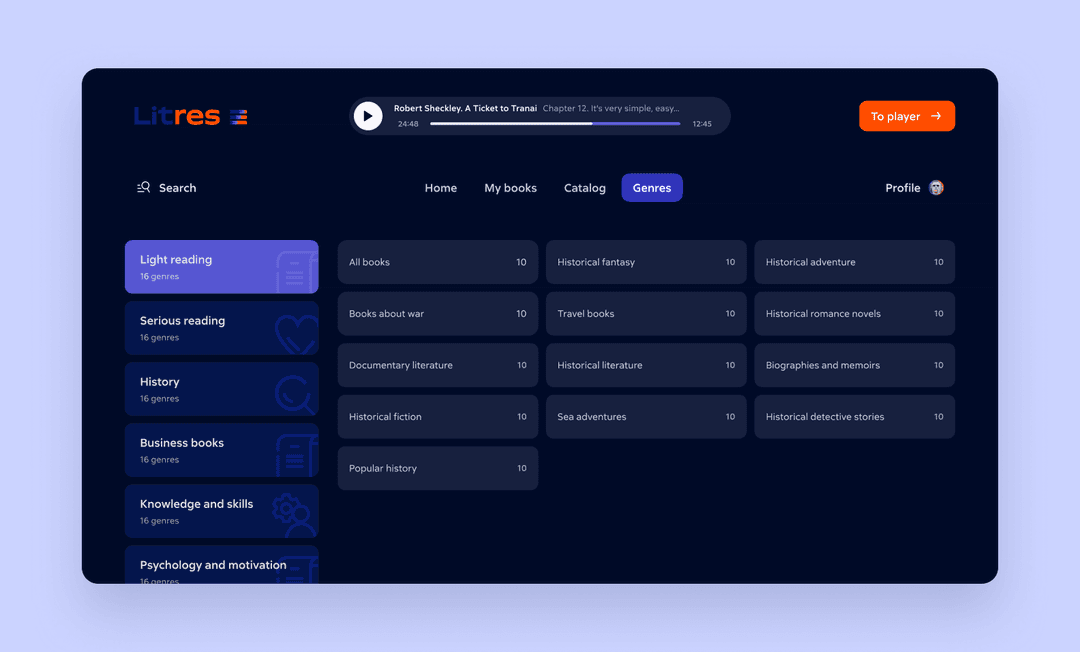
In addition to searching the catalog and navigating your favorites, you can also find a book by genre. This feature mirrors the functionality of the Litres web service.
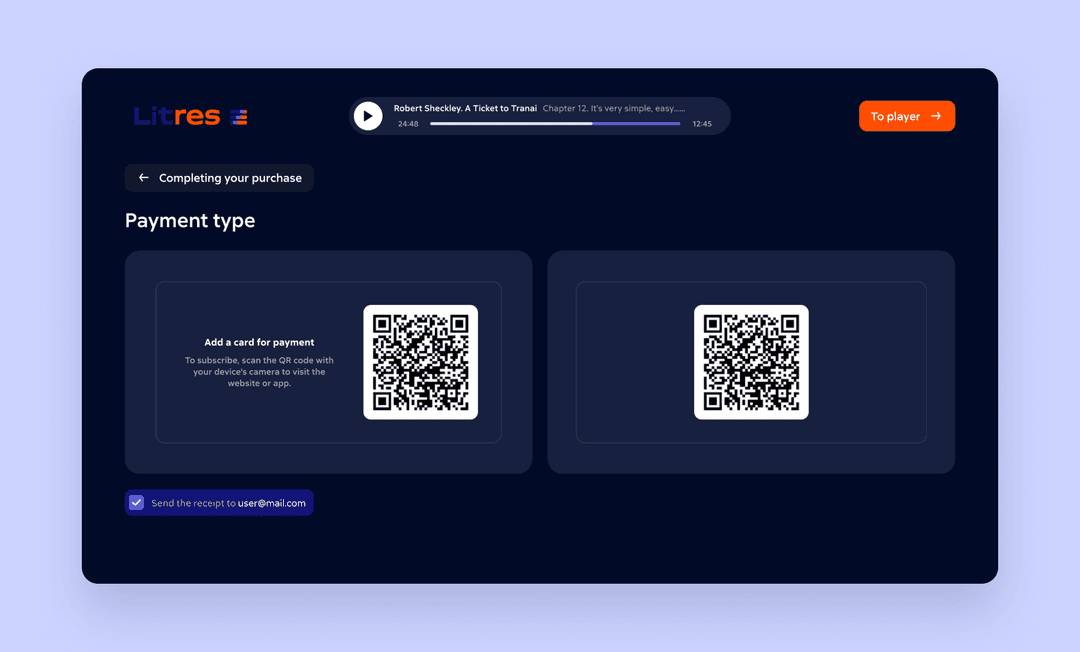
Buying books. To do this, users need to link a card in the Litres mobile or web app.
The design of a TV app differs from that of web and mobile services. Users have a different interaction scenario, navigation is remote-only, and content is perceived from a distance of several meters. We considered these differences in our design:
We used horizontal scrolling that is easy to navigate with left/right buttons. We paid special attention to the focus: the user always sees where they are and where they can go next. The focus indicator is equally noticeable on any screen, transitions are predictable, and navigation “traps” are eliminated.
We also found solutions for a number of technical tasks:
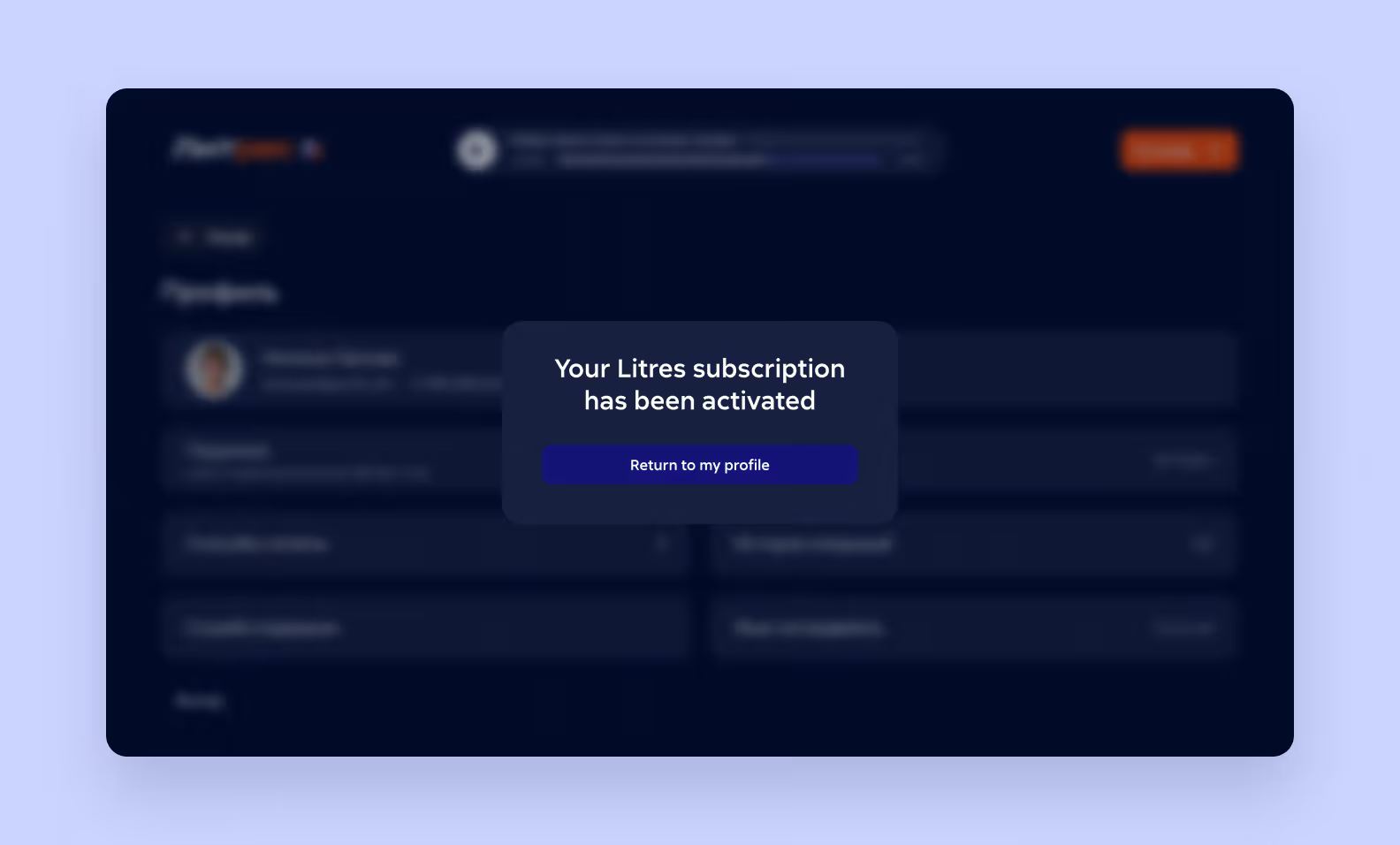
Litres' new product is now available to users on TV platforms! All that’s left is to collect user feedback.
➡️ Need to launch a digital product on a tight timeline? At Purrweb, we can do it quickly: from idea to a finished app — in just a couple of months. No unnecessary blockers or drawn-out approvals — just a clear path to release.


.svg)
%20(1)%20(1)-1.avif)