Explore
Need help with your project?
This field is required
Incorrect phone number
Incorrect Email
This field is required
Please fill in all fields
Next
Next
Your role in the project
Services
Budget
Please select one option in each category
Submit
Submit
several colorful figures
Request sent
Our manager will contact you shortly.
Oops! Something went wrong while submitting the form.

Medical Device Software Development Services

We build software for medical devices: SaMD, SiMD, embedded software, and companion apps. The team plans requirements, traceability, verification, and documentation around IEC 62304 and ISO 13485, then prepares engineering evidence for your FDA pathway. A focused scope keeps the first release practical without separating delivery speed from regulatory work.

IEC 62304 + ISO 13485SaMD · SiMD · embedded · companion appsFDA 510(k) & De Novo documentation

Some facts about us

44
reviews on Clutch
19
reviews on GoodFirms
200
IT experts in our talent pool
48h
to get a free project estimation

Medical device software we can build

Custom medical device software can operate independently, inside medical devices, or between medical equipment and clinical teams. We define the software architecture and device integration boundary before development. Our guide to medical software development covers the broader lifecycle.

Software as a Medical Device (SaMD)

Our SaMD development service translates intended use into requirements, roles, data flows, risk controls, and a testable architecture. The client's regulatory specialists confirm classification and clinical claims.

Software in a Medical Device (SiMD) and embedded software

We define interfaces between applications, firmware, sensors, and cloud services with the hardware team. Safety-critical control logic, RTOS, and low-level firmware require hardware access and agreed responsibilities.

Companion and connectivity apps

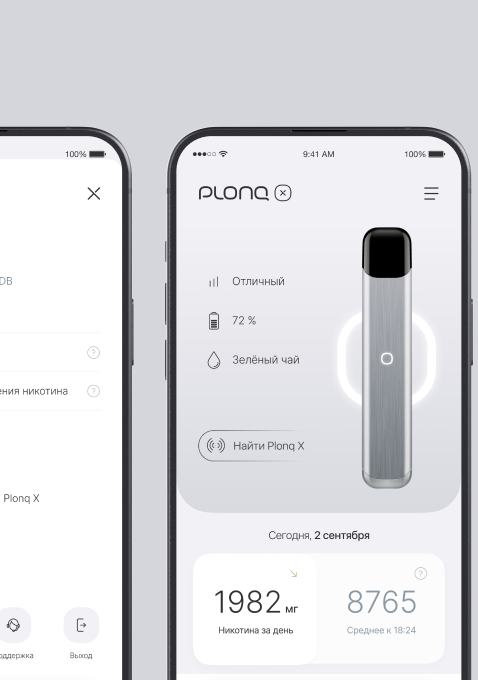
We build mobile and web companions for onboarding, BLE pairing, configuration, telemetry, and alerts. Plonq, Energo, Vendify, and Shockers demonstrate adjacent connected-device experience.

Medical device data and cloud

We design secure ingestion, clinician dashboards, patient apps, audit trails, monitoring, and EHR data exchange around approved uses and retention rules.

AI/ML feasibility pilots

Our machine learning development scope can test model feasibility, human review, performance measures, version control, and change monitoring. Diagnostic claims require separate regulatory and clinical evidence plans.

Regulatory compliance we plan into the project

Regulatory compliance for medical devices starts with intended use, software boundaries, classification assumptions, and applicable medical device regulations. We connect these inputs to the software development life cycle, risk management, tests, and releases. The client's teams approve the pathway and quality management system procedures. Purrweb supplies traceable engineering services within the agreed scope.
Standard or framework
Engineering work in scope
IEC 62304
Lifecycle plan, safety-classification inputs, requirements traceability, SOUP inventory, and change records.
ISO 13485
Project records, reviews, approvals, and changes structured for the client's quality system.
ISO 14971
Hazard-analysis inputs, implemented risk controls, and links to verification tests.
FDA 510(k) or De Novo
DHF-ready engineering artifacts, V&V evidence, release records, and cybersecurity documentation.
IEC 62366
Use-related risk inputs, critical tasks, usability-test planning, and human-factors evidence.
HIPAA and GDPR
Data-flow mapping, access controls, encryption, audit logs, retention, and incident controls. See our HIPAA-compliant development guide.

What is included

✅ Requirements, architecture, and traceability records
✅ Implementation and testing of approved risk controls
✅ Verification, validation support, and release documentation
✅ Coordination with the client's regulatory and quality specialists

What is not included

❌ Regulatory strategy, device classification approval, or clinical evaluation
❌ QMS or ISO 13485 certification
❌ Legal sign-off, submission ownership, or guaranteed FDA clearance

Cybersecurity for connected devices

Connected medical devices need secure software controls that remain traceable through releases, field updates, and post-market maintenance.

Threat modeling

We map threats across devices, apps, APIs, cloud services, support tools, and third-party components. Risks become requirements, controls, and tests.

SBOM and component traceability

The SBOM and SOUP inventory records component versions, vulnerabilities, update decisions, and affected releases.

Data protection

We define encryption, retention, key handling, and protected-health-data boundaries from approved data flows.

Access control and auditability

Role-based permissions, least privilege, authentication, and audit logs make sensitive actions reviewable.

Vulnerability management

Monitoring, assessment, patches, and change records continue after release within a separate maintenance scope.

Secure OTA updates

Connected-device plans can cover signed releases, integrity checks, controlled rollout, rollback behavior, and verification evidence.

FDA cybersecurity documentation

Purrweb documents implemented controls and test evidence. The manufacturer and their regulatory specialists own the final strategy, submission, and regulatory acceptance.

Integrations and interoperability

Integration with medical devices requires clear data flow between hardware, apps, healthcare systems, and cloud services. We define ownership, failure handling, security requirements, and the medical device integration boundary.

Device connectivity

We design Bluetooth and BLE pairing, setup, telemetry, reconnection, and invalid-data handling with the hardware and firmware teams.

EHR and EMR integration

HL7, FHIR, and API interfaces support authenticated exchange, validation, errors, and audit records. See our EHR/EMR integration service.

IoMT and cloud services

We plan secure APIs, ingestion, monitoring, retries, storage boundaries, and authorized access across IoMT and cloud infrastructure.

Medical device categories we can scope

For each medical device product, intended use and responsibilities define the software boundary, risk management, and validation work.

Diagnostics and imaging software

Image or signal acquisition, review workflows, annotations, algorithm interfaces, roles, and audit records.

Wearables and remote monitoring

Device pairing, telemetry, trends, and alerts for patients or clinical teams. See remote patient monitoring software.

Lab and diagnostic data workflows

Data import, normalization, validation, flagged results, trend views, and controlled exports.

Therapeutic-device companions

Setup, prescribed-use workflows, adherence records, alerts, and service operations. Safety-critical controls require hardware access and defined risk ownership.

Why choose Purrweb for medical device software development

As a medical device software development partner, Purrweb combines adjacent healthcare product development and connected-device experience, then defines the scope with the client's regulatory team.

Healthcare product workflows

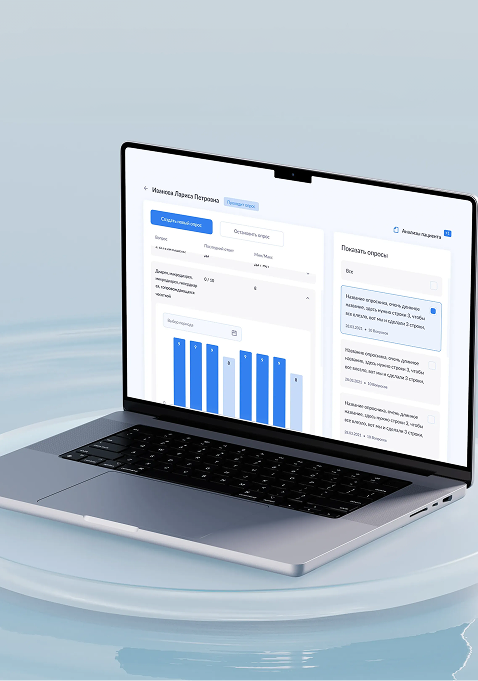
Medico, Lytic Health, BioGeek, and My Therapy Assistant are healthcare software projects covering clinician tools, patient apps, health data, labs, and workflows for healthcare organizations.

Connected-device integration

Plonq, Energo, Vendify, and Shockers support our work with BLE, telemetry, device states, and hardware-team coordination.

Product design for clinical roles

We map critical tasks, permissions, alerts, abnormal states, and recovery paths into testable usability requirements.

Transparent scoping and delivery

Our MVP development scope records responsibilities, integrations, verification, and change rules before estimation. AI-assisted drafting and checks reduce repetitive work, with engineer review and traceability.
Map your software boundary and evidence plan with our engineers.
Free scoping call • NDA before the call • Clear engineering and regulatory boundaries
This field is required
Incorrect number
Incorrect Email
This field is required
Please fill in all fields
Book a call
Book a call
Map your software boundary and evidence plan with our engineers.
Free scoping call • NDA before the call • Clear engineering and regulatory boundaries
Your role in the project
Service of interest
Budget
Please select one option in each category
Request sent
Our manager will contact you shortly.
Oops! Something went wrong while submitting the form.

Our medical device software development process

Our medical device software development process combines software design, software engineering, testing, and documentation across six stages. Regulatory evidence is prepared alongside the software.
1

Project planning and regulatory scoping

We discuss the product, users, medical purpose, operating environment, and physical device. With the client's regulatory specialists, we define intended use, software boundaries, classification assumptions, standards, integrations, and responsibilities. The output is an agreed scope, evidence plan, backlog, architecture assumptions, and estimate.
2

UI/UX design and software architecture

Designers map patient, clinician, administrator, and service workflows, including alerts, errors, and recovery paths. Architects define components, data flows, device interfaces, cloud services, and initial risk controls. Decisions connect to requirements and acceptance criteria.
3

Medical device software development

Software developers use agile development in two-week sprints to build approved requirements. Each sprint produces working software, updated tests, and traceability records. Weekly demos align product, engineering, and regulatory stakeholders. Material changes follow the agreed review process.
4

QA, verification, and validation support

QA combines manual and automated checks for functionality, integrations, connectivity, security, performance, and critical workflows. Tests link to requirements and risk controls. Results, corrections, and regression checks are documented for quality and regulatory review.
5

Release and submission support

We prepare the approved version, release records, traceability, architecture documents, verification evidence, cybersecurity artifacts, and agreed DHF inputs. The client's regulatory team owns the submission pathway. Purrweb addresses software findings within scope but does not guarantee clearance.
6

Post-market support and updates

A separate maintenance engagement can cover monitoring, defect correction, vulnerability assessment, patches, dependency updates, and secure OTA releases. Each change receives an impact review and updates to affected risks, tests, records, and documentation.

Engagement models

Fixed scope

For a defined release
For a defined release with stable intended use and integrations. We agree on deliverables, reviews, responsibilities, and change control before development.

Dedicated team

For an evolving roadmap
For an evolving roadmap with multiple releases. Purrweb supplies agreed product, design, engineering, and QA roles, while both teams review priorities and scope.

Staff augmentation

For internal teams
For internal teams that need specific specialists. Purrweb team members take defined responsibilities and follow the client's lifecycle, quality procedures, and documentation requirements.

FAQs

What is medical device software development?

It covers the design, engineering, testing, and maintenance of software that performs or supports a medical function. Products can include SaMD, software inside a device, embedded components, companion apps, cloud services, and clinical integrations. Intended use and the software boundary determine the applicable lifecycle, risk, usability, security, and regulatory work.

What is the difference between SaMD and SiMD?

SaMD performs a medical function independently of medical-device hardware. SiMD operates inside a device or contributes to its control. The distinction affects architecture, interfaces, risk analysis, testing, and the regulatory pathway. The client's regulatory specialists confirm classification during scoping.

Which regulations and standards apply?

Medical device regulations depend on intended use, markets, and device classification. Relevant frameworks may include IEC 62304 for the software lifecycle, ISO 14971 for risk management, IEC 62366 for usability engineering, the manufacturer's ISO 13485 quality system, and Food and Drug Administration (FDA) 510(k) or De Novo requirements. The client's regulatory team confirms the pathway.

How much does medical device software development cost?

When comparing medical device software development companies, cost depends on intended use, hardware access, platforms, integrations, verification depth, cybersecurity, documentation, and regulatory coordination. Purrweb prepares a custom estimate after defining the software boundary, responsibilities, assumptions, and first-release scope. Generic ranges do not reflect different risk and evidence requirements.

How long do development and FDA clearance take?

Timing depends on complexity, hardware readiness, risks, usability work, verification, clinical evidence, and the regulatory pathway. Software delivery and agency review follow separate schedules. Purrweb estimates engineering after scoping. The client's specialists own submission planning, agency communication, and clearance decisions, so we do not promise a clearance date.

Does Purrweb help with FDA 510(k) documentation and DHF inputs?

Yes, within the engineering scope. We can prepare software plans, requirements, architecture, traceability, risk-control evidence, verification results, cybersecurity artifacts, release records, and agreed DHF inputs. The client's specialists review the materials, provide clinical evidence, assemble the submission, and own regulatory strategy and approval.

How is cybersecurity handled for connected medical devices?

Work begins with threat modeling across devices, applications, APIs, cloud services, and third-party components. Controls can include encryption, access rules, audit logs, SBOM and SOUP tracking, vulnerability monitoring, signed releases, and secure OTA updates. Requirements connect each control to risks and verification tests.

Can medical device software integrate with EHR and EMR systems?

Yes. Device software can exchange approved data through HL7, FHIR, APIs, or agreed interfaces. Our EHR and EMR development scope covers data mapping, authentication, validation, errors, and auditability. Scoping defines data ownership and failure behavior.

Does Purrweb support post-market maintenance and OTA updates?

Yes, through a separate engagement. Support can include monitoring, defect correction, dependency updates, vulnerability assessment, patches, and secure OTA releases. Each change receives an impact review to identify affected requirements, risks, tests, release records, and user documentation.

How is HIPAA compliance handled for medical device data?

Where the Health Insurance Portability and Accountability Act (HIPAA) applies, we map protected health information across medical devices, apps, integrations, cloud services, logs, and support tools. Controls can include encryption, restricted access, audit records, retention, backups, and incident procedures. The client approves organizational policies, vendors, contracts, and the final compliance position.
Get a free estimate
Free scoping call • NDA before the call • Clear engineering and regulatory boundaries
This field is required
Incorrect number
Incorrect Email
This field is required
Please fill in all fields
Get a free estimate
Get a free estimate
Get a free estimate
Free scoping call • NDA before the call • Clear engineering and regulatory boundaries
Your role in the project
Service of interest
Budget
Please select one option in each category
Request sent
Our manager will contact you shortly.
Oops! Something went wrong while submitting the form.