Explore
Need help with your project?
This field is required
Incorrect phone number
Incorrect Email
This field is required
Please fill in all fields
Next
Next
Your role in the project
Services
Budget
Please select one option in each category
Submit
Submit
several colorful figures
Request sent
Our manager will contact you shortly.
Oops! Something went wrong while submitting the form.

Fleet Management Software Development Services

Purrweb is a fleet management software development company that builds custom fleet management systems connecting vehicles, drivers, dispatchers, maintenance teams, and business data in one platform. The scope can include real-time vehicle tracking with GPS, route optimization, telematics, fuel and maintenance control, safety workflows, analytics, and integrations with ERP, TMS, WMS, ELD, and third-party APIs.

Some facts about us

10 years
building apps
50K+
positive reviews collected by our clients’ apps
550+
projects shipped

Fleet management software development services

A fleet platform only works when it reflects the people, data, and decisions behind operations. Purrweb can scope the product around the workflows that matter first, then extend it as the operation changes.

Fleet platform development

Purrweb can scope a web platform around dispatch rules, vehicle data, role-based access, reporting, and the integrations your operation already uses. The starting point is workflow logic, not a generic dashboard.

Driver mobile app development

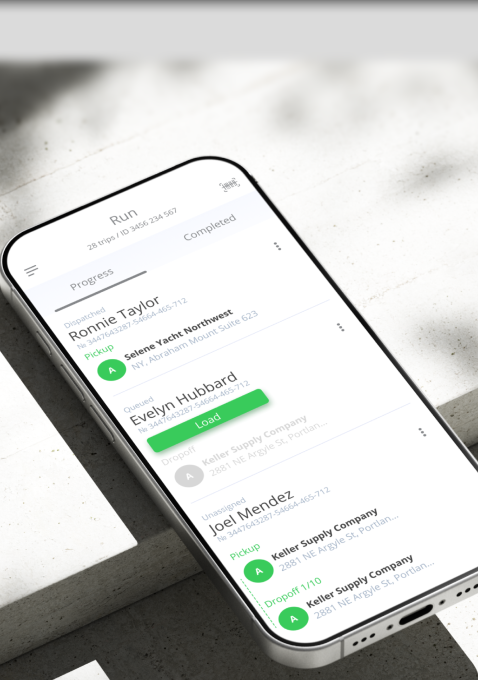
For drivers, we can plan mobile workflows for assignments, navigation, inspections, status updates, proof of delivery, and offline work. The app focuses on the information needed on the road.

Dispatcher and admin dashboards

We can design role-specific dashboards that bring live vehicle signals, job status, exceptions, maintenance tasks, and reporting into one workspace. Each view follows the decisions its users make.

Telematics and IoT integration

We can connect GPS, ELD, OBD-II, and telematics feeds to the platform, defining reliable data flows before implementation. See IoT consulting for discovery and IoT software solutions for connected operations.

Legacy system modernization

When existing tools hold operational history, we can plan staged migration, API layers, and parallel verification. This preserves access to critical data while replacing the parts that limit the product.

Support and feature scaling

After launch, Purrweb can help prioritize new modules, integrations, and reliability work as requirements evolve. The roadmap follows product evidence and operating constraints instead of a fixed feature list.

Features and modules we build

Fleet software brings dispatch, driver workflows, vehicle data, and automation into one system. Each item below follows the same sequence: users, core data, and product outcome.

Operations

GPS and geofencingRoute planningDispatchMaintenanceFuel management
Dispatch, fleet managers
Coordinates, zones
Live exception alerts
Dispatch, drivers
Stops, traffic inputs
Planned route context
Dispatch, drivers
Jobs, priorities
Clear handoff status
Maintenance, managers
Mileage, inspections
Service signals
Managers, finance
Fuel transactions, consumption
Vehicle-linked records

Control and visibility

Driver safetyELD/HOS/DVIRFleet analyticsAssets and inventoryCustomer portal
Safety, managers
Driving events
Review workflows
Drivers, compliance
Hours, inspections
Required records
Managers, analysts
Operations and cost data
Operating reports
Field teams, managers
Equipment, locations
Availability view
Customers, support
Delivery status
Shared visibility
AI-based route optimization and predictive maintenance need reliable telemetry and human review. See IoT asset tracking and IoT in the automotive industry.

Fleet data architecture and integrations

A fleet platform is useful when the right update reaches the right person in time.
We separate immediate signals, such as a changed job status, from data that can arrive in batches. Offline work, API versioning, staged migration, and client ownership of code and product data are defined before development.
Vehicle and driver data
GPS, telematics, OBD-II, ELD, and driver updates.
→
Integration layer
TMS, WMS, ERP, CRM, fuel cards, mapping, and maintenance systems.
→
Rules and shared data
Alerts, jobs, access rules, and audit history.
→
Team tools
Dispatcher dashboard, driver app, reports, and customer tracking.

Security, compliance, and data reliability

Security and compliance should match the records a fleet platform handles. We scope controls to user roles, connected devices, data flows, and applicable regulations.
ConcernImplementation controlEvidence in the product
User accessRole-based permissions and audit logsRestricted actions and traceable changes
Data protectionEncryption in transit and at restProtected connections and stored records
Device accessAuthenticated devices and API identitiesControlled telematics and integration feeds
RecoveryRetention rules, backups, and recovery planningRecoverable operational records
ELD/HOS/DVIRWorkflows where applicableRequired records for review
PrivacyGDPR/CCPA data-rights workflows where applicableRequests and retention rules tracked in the product
API integrationsAuthentication, versioning, and least-data accessDocumented boundaries for connected systems
Where ELD, HOS, DVIR, GDPR, or CCPA workflows are relevant, the product can support the required records and review steps. This does not claim universal certification or legal compliance: the final scope depends on operating regions, integrations, retention needs, and the responsibilities assigned to the product.

Fleet products and use cases

Delivery and courier fleets

Delivery status, proof of delivery, route exceptions, and driver-to-warehouse handoff. See logistics app development.

Trucking and freight

Trips, loads, driver updates, route changes, and ELD-related records.

Field service vehicles

Service visits, equipment tracking, and an offline view of the next job.

Car rental and sharing

Vehicle availability, condition checks, bookings, and customer handoff. See automotive app development.

Public and employee transport

Planned routes, service updates, vehicle availability, and incident reporting.

Construction and special-purpose equipment

Equipment status, inspections, and the people responsible for each asset.

Why build custom instead of buying off-the-shelf?

Off-the-shelf SaaS fits standardized workflows and fast launch. Custom software fits operations where dispatch logic, integrations, offline work, or data ownership create a gap. Choose based on fit, not preference.
CriteriaOff-the-shelf SaaSCustom fleet software
Dispatch logicStandard configurationRules and exceptions match the operation
Integration depthAvailable vendor connectorsExisting systems and APIs can define the scope
SaaS fees at scale$30,000–$50,000 annually in the cited TCO exampleInvestment depends on delivery scope
Data ownershipDepends on vendor termsCan be specified in the delivery scope
Offline needsLimited by product designCan be designed for field conditions
Regulatory workflowAvailable vendor featuresApplicable records and review steps can be built
Launch timeFaster when requirements fitStarts with discovery and development
Internal product teamLess control over the roadmapMore control, with maintenance responsibility
Use custom software development when the gap affects service, cost, or data control. If SaaS fits, buying is lower-risk.

Why choose Purrweb

Product discovery before estimate
Before pricing, we map roles, workflows, integrations, and technical risks. This turns an early idea into a scoped starting point.
Working demo every two weeks
Every two weeks, a working demo gives the team a concrete point for review, prioritization, and informed decisions.
Web, mobile, and IoT in one team
One team can plan the dispatcher platform, driver app, and connected-data layer together. AI tools help Purrweb’s 210 specialists increase productivity by up to 30%, while delivery decisions remain with the team.
Staged integration and migration
A staged approach connects priority systems first, then extends the product without forcing every legacy tool to change at once.
Client ownership of code and data
The delivery scope can define client ownership of source code, product data, and the roadmap after launch.

Bring the right context to the first conversation

Share your current process, integrations, target roles, MVP scope, and technical risks. We will turn that context into a realistic estimate, recommended starting scope, and delivery approach for your operation before commitments are made.

Our fleet management software development process

Each project moves from operating context to a working product in defined stages. The sequence keeps field workflows, integrations, and release decisions visible throughout delivery.
1

Discovery and workflow mapping

Input: current processes, roles, systems, and risks. Output: a shared view of the product scope, priorities, and open technical questions.
2

UX/UI for dispatcher and driver roles

Input: mapped workflows and user needs. Output: role-specific interfaces for dispatch, driver work, exceptions, inspections, and status updates.
3

Architecture and integration planning

Input: required data flows and connected systems. Output: an integration approach, data responsibilities, and a plan for offline work or legacy migration.
4

Development in two-week sprints

Input: an agreed backlog. Output: working increments for review, feedback, and the next set of priorities.
5

QA for field and edge cases

Input: completed product increments. Output: tested workflows for offline conditions, device data, permissions, exceptions, and operational handoffs.
6

Launch, monitoring, and iteration

Input: a release-ready product. Output: a monitored launch and an evidence-based roadmap for follow-up work.
Mini-projecting takes three days and is included when the project starts. Detailed timing follows discovery, because it depends on the agreed scope, integrations, and delivery risks.

Fleet management software cost and engagement options

Cost depends on user roles, real-time data volume, hardware, route logic, integrations, compliance workflows, and legacy migration. These ranges are planning estimates, not quotes; the final scope is fixed after discovery.

MVP

$35,000–$55,000 · 3–4 months
→ Driver mobile app for assignments, status updates, and field work
→ Real-time GPS tracking with a shared order or job list
→ Navigation and proof of delivery to close each job

Mid-tier platform

$70,000–$110,000 · base build plus 4–8 integration weeks
→ Dispatcher dashboard for live jobs, exceptions, and team coordination
→ Route optimization for planned stops and assignments
→ Customer tracking for delivery-status visibility
→ WMS integration for warehouse and order context
→ TMS integration for transport data and workflows

Full-scale platform

From $130,000 · timeline fixed after discovery
→ Multi-depot management across operating locations
→ Automated billing tied to the required operational records
→ Driver mobile workflows for the field team
→ Dispatcher dashboard for operational coordination
→ Route optimization and customer tracking
→ Deep TMS integration for transport workflows
→ Deep ERP integration for business-system data
A documented REST API integration usually takes 2–4 weeks. An undocumented legacy ERP can take 6–10 weeks. Actual effort depends on available documentation, data quality, and access.
For broader budgeting context, see logistics software development cost breakdown.

FAQ

What is fleet management software development?

Fleet management software development is the process of creating a system for dispatchers, drivers, vehicles, and operational data. A custom product can combine location tracking, job handling, maintenance, fuel records, safety workflows, reporting, and integrations in one place. The scope depends on how the operation assigns work, receives data, and needs teams to act on it.

How much does it cost to develop custom fleet management software?

A planning range for an MVP with a driver app, real-time GPS, navigation, and proof of delivery is $35,000–$55,000. A mid-tier platform can range from $70,000–$110,000, while full-scale products start from $130,000. The final estimate depends on roles, data volume, hardware, integrations, compliance workflows, and migration needs.

How long does it take to build a fleet management system?

An MVP can take three to four months when the scope is focused. A mid-tier platform needs a base build plus four to eight weeks for integration, depending on API quality. A full-scale timeline is fixed after discovery. The delivery plan also depends on telematics hardware, offline requirements, legacy systems, and the decisions needed from the product team.

Should we build custom fleet software or use an off-the-shelf platform?

Off-the-shelf SaaS is often a practical choice for standardized workflows and a quick launch. Custom software becomes more relevant when dispatch rules, integrations, offline work, or data ownership set the operation apart. The better option depends on fit, not a universal preference. A discovery stage can identify whether existing tools create a product gap worth closing.

Which features are essential in a fleet management platform?

Essential features follow the operation rather than a fixed checklist. Common foundations include driver and dispatcher workflows, real-time GPS, job status, navigation, proof of delivery, and role-based access. Route optimization, maintenance, fuel records, safety workflows, analytics, customer tracking, and compliance records become priorities when they support a specific decision or required process.

Can fleet software integrate with telematics hardware, ERP, TMS, WMS, and fuel cards?

Yes, a custom platform can connect telematics, GPS, OBD-II, ELD, ERP, TMS, WMS, fuel-card, mapping, maintenance, accounting, and payment systems. The architecture should define which system owns each record and which events require immediate handling. A documented REST API usually takes two to four weeks to integrate; undocumented legacy systems may require more discovery and effort.

How do you protect fleet, vehicle, and driver data?

Protection starts with role-based permissions, authenticated devices and APIs, encryption in transit and at rest, audit logs, backups, and recovery planning. The product can also support retention rules and data-rights workflows where GDPR or CCPA applies. Final controls depend on the connected systems, operating regions, retention obligations, and the responsibilities assigned to the platform.

How can AI support route optimization and predictive maintenance?

AI can help prioritize routes or identify maintenance signals when the platform has clean telemetry, usable historical data, and clear review rules. It should not replace operational judgment. Teams need a way to review false positives, override recommendations, and understand which data affected a suggestion before relying on it in dispatch or maintenance workflows.

What post-launch support does a fleet management platform require?

Post-launch work usually includes monitoring, bug fixes, security updates, integration maintenance, and feedback-driven improvements. As the operation changes, teams may add roles, workflows, reports, devices, or connected systems. A practical roadmap prioritizes the next product decision or operational constraint instead of treating launch as the endpoint of development.
Ready to map your fleet product scope?
Share your fleet size or operating range, user roles, current systems, telematics hardware, must-have integrations, target region, and desired launch date. We’ll use that context to define the first scope conversation, surface relevant technical risks, recommend a starting point, and prepare a realistic estimate for your operation.
This field is required
Incorrect number
Incorrect Email
This field is required
Please fill in all fields
Get a free estimate
Get a free estimate
Get a free estimate
Share your fleet size or operating range, user roles, current systems, telematics hardware, must-have integrations, target region, and desired launch date. We’ll use that context to define the first scope conversation, surface relevant technical risks, recommend a starting point, and prepare a realistic estimate for your operation.
Your role in the project
Service of interest
Budget
Please select one option in each category
Request sent
Our manager will contact you shortly.
Oops! Something went wrong while submitting the form.