Explore

Need help with your project?

Oops! Something went wrong while submitting the form.
Automation in the insurance industry means using RPA, AI, and agentic tools to run claims, underwriting, policy administration, and compliance with far less manual work. It ranges from simple bots that shuttle data between systems to AI agents that triage a whole claim on their own.

This guide breaks down which processes to automate first, what the benefits and real costs actually look like, and how to build insurance automation software that fits the systems you already run.
Insurance automation covers a spectrum, not a single technology. Knowing where a given tool sits on it keeps a project from over-engineering a simple task or under-powering a hard one. Four layers cover the range:
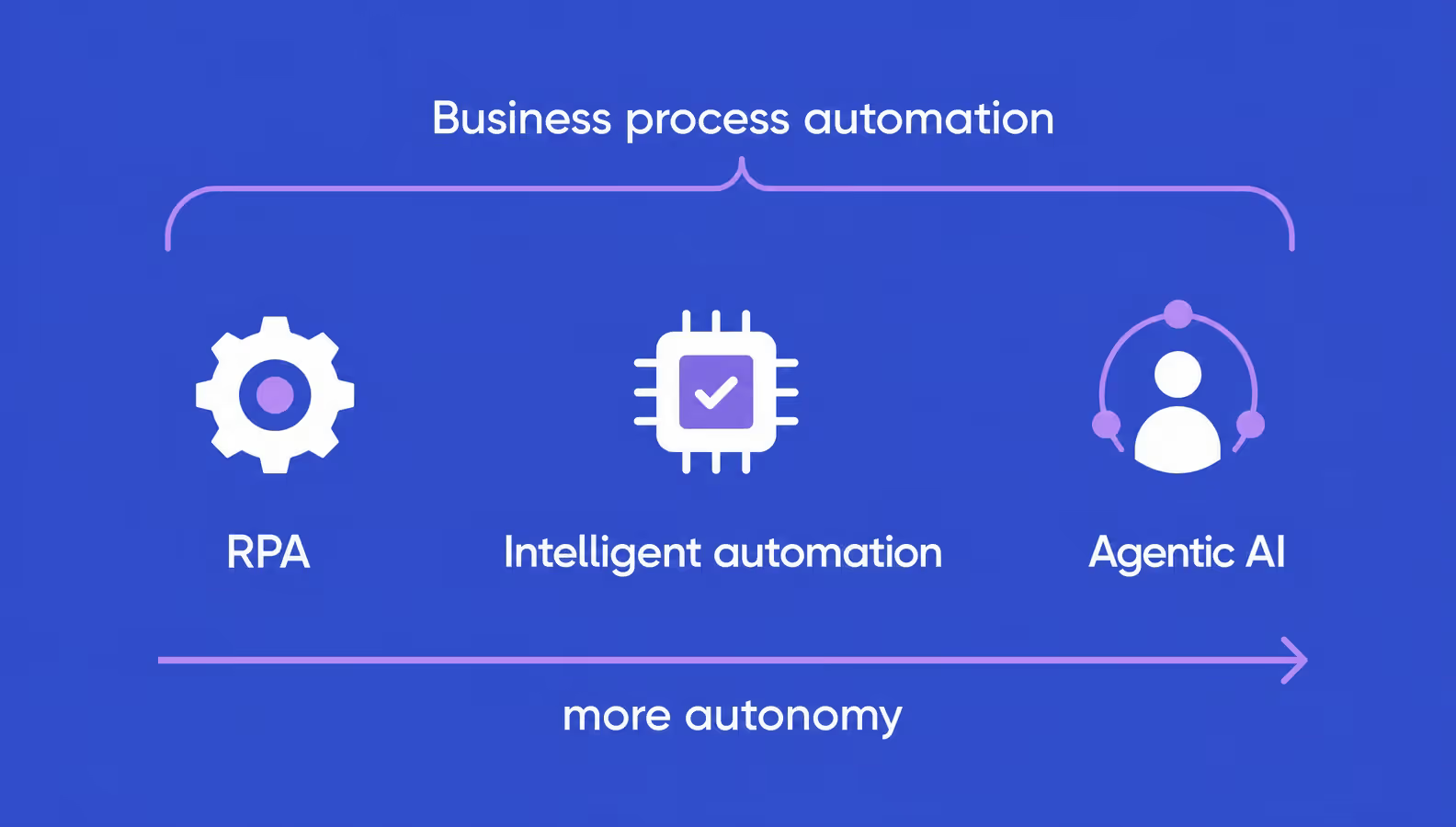
Each step up the ladder trades fixed rules for more judgment, and BPA is the wrapper that ties them into one workflow
For most insurers the practical answer isn't picking one. It's a stack. RPA does the boring plumbing, artificial intelligence handles the parts that need reading or scoring, and agentic automation takes on the judgment calls you're comfortable delegating. These automation technologies compound. Each layer is worth more once the one beneath it is stable, which is why the automation tools you pick are best treated as one strand of a broader digital transformation rather than a set of point solutions.
Almost every high-volume, rules-heavy workflow in an insurer is a candidate for insurance workflow automation. The seven below are where teams see the fastest return, roughly in the order most start. If you're weighing this against a full build, our guide to insurance app development covers the product side.
Claims is the anchor use case, and it's really a chain of smaller steps: first notice of loss (FNOL), claim intake, data capture, adjudication, and settlement. Bots handle intake, optical character recognition (OCR) reads the scanned forms and photos that used to sit in a clerk's queue, and machine learning scores severity and routes the file. Straight-through processing then closes simple, automated claims without a human touching them, which streamlines the whole claims management cycle and frees adjusters for the complex files that actually need judgment. McKinsey projects that more than half of claims activities could be automated by 2030.
Automated underwriting pulls third-party data, applies pricing rules, and returns a decision for standard risks in seconds. That leaves underwriters free to work the complex accounts where their expertise pays off. The richest input here is often Internet of things (IoT) data: telematics from vehicles and sensors from connected property feed real-time risk signals that a static application form never captured. McKinsey expects more than 90% of pricing and underwriting for many policies to be automated by 2030.
Insurance and investing share the same core problem: turning an expert, data-heavy process into something an ordinary user can trust and act on. When we built Fintarget for BCS, an investment brokerage, the job was exactly that kind of workflow automation.
We designed the platform so non-expert users could discover, filter, and act on curated financial strategies from vetted experts, backed by a dashboard that surfaces performance metrics automatically. The same pattern (structured discovery, automated scoring, streamlined forms) is what underwriting and claims triage look like on the inside.
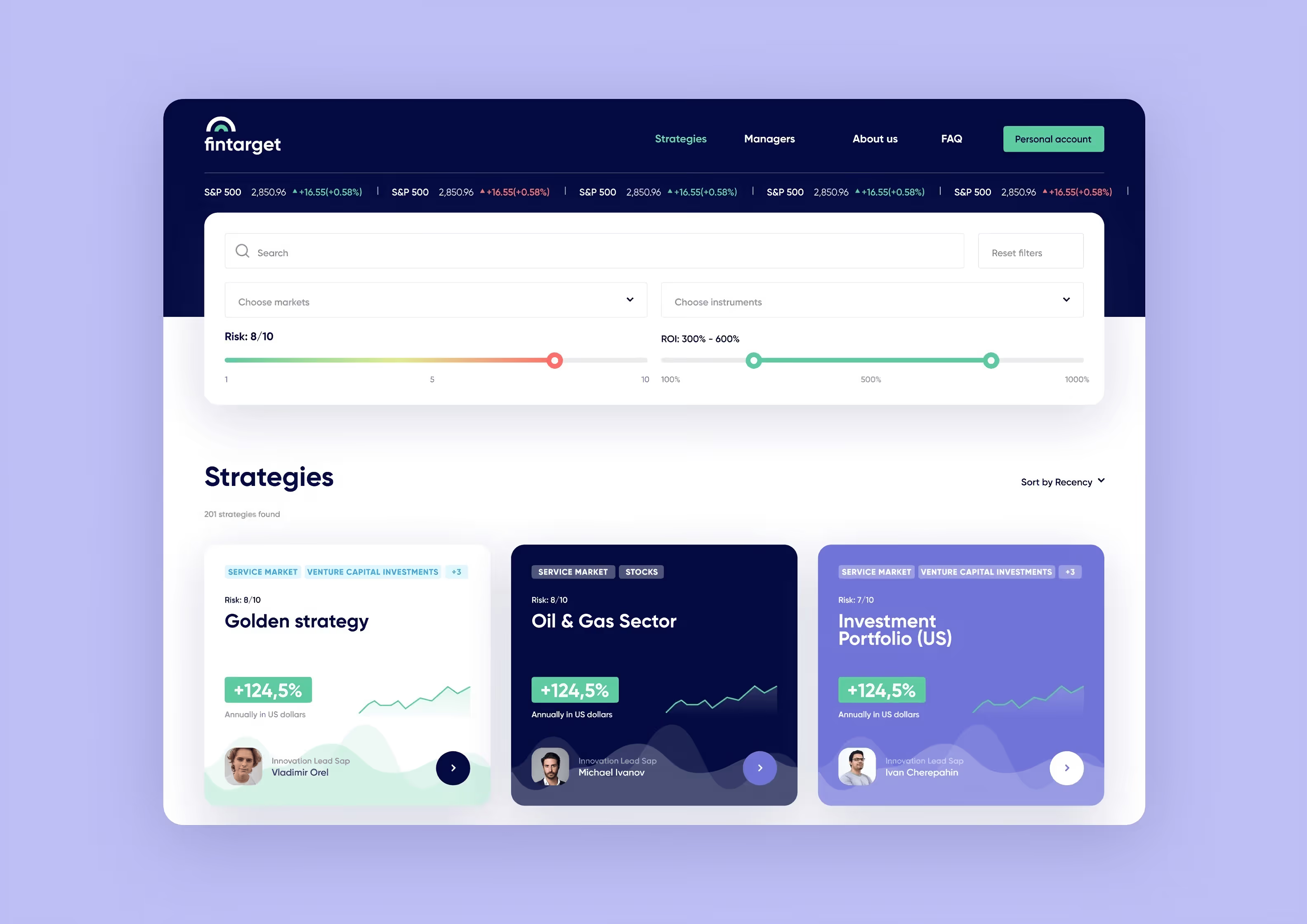
An automated discovery-and-scoring flow is the same machinery whether the object is an investment strategy or an insurance claim
Endorsements, mid-term changes, and cancellations are mostly data moving between a portal and a policy admin system. That's textbook RPA, and it removes a large share of back-office manual entry.
Automation logs every decision, applies the current rulebook, and generates audit trails. Regulatory compliance stops being a quarterly scramble and becomes a byproduct of the workflow, which matters most for MGAs juggling multiple carriers and states.
Agent and broker onboarding, KYC checks, and quote-to-bind flows automate cleanly as an end-to-end process, which shortens the path from lead to active policy for MGAs and direct channels alike.
Models score claims for fraud signals in real time and surface the suspicious ones for a special investigations unit, catching patterns a manual review would miss.
Renewal notices, re-rating, and management reports run on a schedule instead of a to-do list, which frees the team for exceptions rather than routine.

.svg)

The case for automation isn't abstract efficiency. It shows up in payout speed, loss costs, error rates, and the audit trail, and each one is measurable.
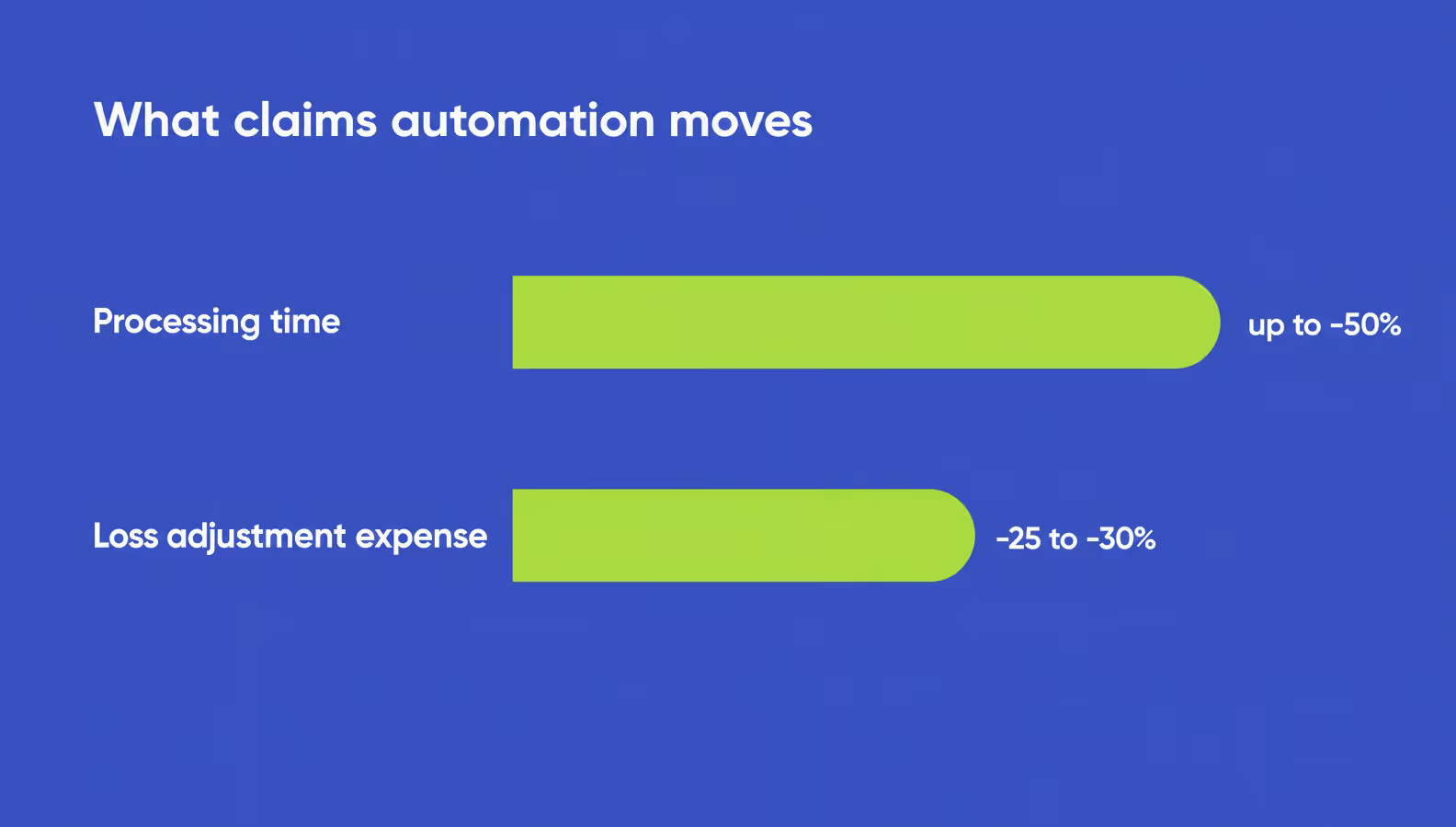
The clearest, best-measured gains sit in claims, which is why most roadmaps start there
Picking the wrong technology is the most common way an automation project stalls. RPA on a task that needs judgment fails silently, and an AI agent on a task that only needs a rule is expensive overkill. The table below maps each option to the work it fits and what it demands from your data and infrastructure.
| Technology | Best for | What it needs | Watch out for |
| RPA | Rule-based, repetitive steps: data entry, transfers between systems, form filling | Stable interfaces, structured input, clear rules | Breaks when a screen or field changes |
| AI / machine learning | Reading unstructured docs, scoring risk or fraud, optical character recognition | Clean, labeled historical data | Needs monitoring and retraining |
| Agentic AI | Multi-step decisions across tools: end-to-end claim triage | Guardrails, tool access, strong data foundation | Governance and explainability |
The trend is toward the right side of that table. The majority of newly disclosed insurance AI deployments are now generative or agentic rather than plain rule-based, and agentic AI is the fastest-growing slice. That said, most production value from RPA in insurance still comes from intelligent process automation doing unglamorous work reliably. Start there, then layer AI agents where a decision, not just a task, needs to happen.
Once you know what to automate, the next call is whether to build custom software, buy one of the ready-made insurance automation solutions, or blend the two. There's no universal answer, but the criteria are consistent. Working with an insurance software development partner tends to make sense when the process is a differentiator or your systems are too bespoke for an off-the-shelf tool.
A build typically runs in stages. First you map the current process as it really works, not as the manual says. Then you define the target workflow, pick the automation layer for each step, and integrate with core systems. Finally you pilot on a single line of business before scaling across the book. The sequence matters more than the tooling. Automating a broken process just makes the mess run faster, so the mapping stage is where the real return is won or lost.
The decision framework comes down to three questions:
If you're new to custom development economics, the same trade-offs show up when building a fintech app, and the reasoning carries over cleanly.
A lot of insurance automation is really about shipping a usable interface on top of a transaction-heavy backend, and that's a fintech problem we've solved repeatedly.
When we built Broex, a mobile crypto wallet, off-the-shelf UI libraries couldn't handle the data model, so we built a custom component from scratch and flattened the navigation to keep a complex, real-time product approachable for beginners. Building automation software runs into the same wall: the engine is only half the job, and the interface people actually use is the other half.
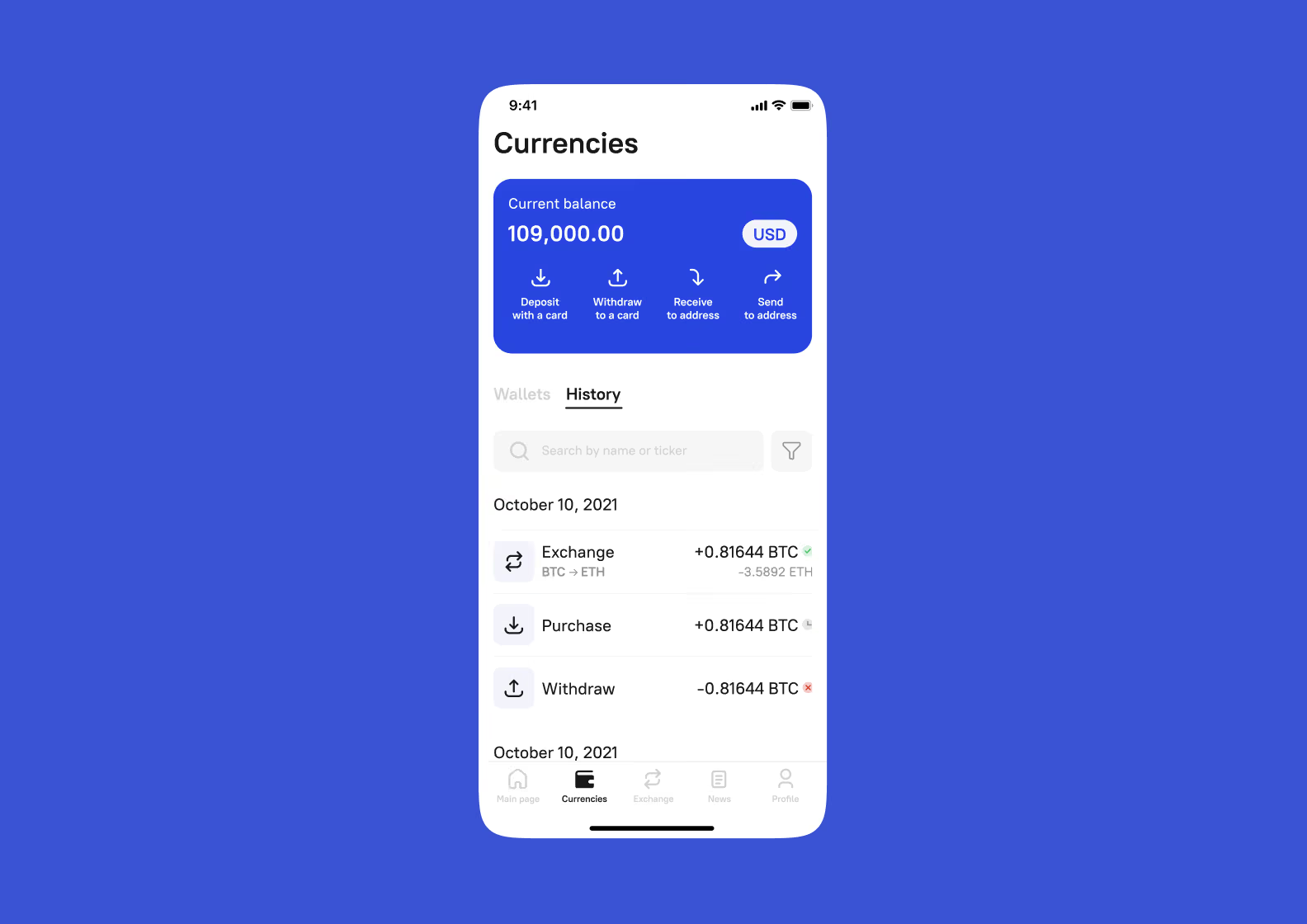
Custom components and flatter navigation are what make a data-heavy product usable, insurance dashboards included
This is the part vendors gloss over and projects die on. Automation is only as good as its access to the insurance operations underneath it: your policy administration system, core platform, and document management. Most of those are a legacy system built decades ago, long before anyone planned to bolt an AI agent onto them. Industry surveys put the gap bluntly: roughly 74% of insurers say legacy technology holds back growth, yet only about a quarter have a full modernization plan.
Three things decide whether integration works. First, an API layer that exposes the legacy core cleanly, so bots and models read and write without brittle screen-scraping. Second, data readiness, because a model trained on inconsistent, siloed data will make confident wrong decisions. Third, a fallback path for the systems that simply won't open up. There you automate around the core rather than through it, and design the handoff between old and new deliberately.
Closed core systems aren't unique to insurance. On KEM, a peer-to-peer payments app, the banks wouldn't grant external developers any API access at all, which is the same wall insurers hit with a locked policy admin system.
Rather than stall, we architected the payment backend against simulated data so the product worked end to end and could be demoed to investors, then handed the codebase to the client's in-house team for the live integration a bank required. The MVP helped KEM raise $1 million in seed funding. The lesson transfers directly: when a core won't open, you automate around it and design the handoff deliberately.
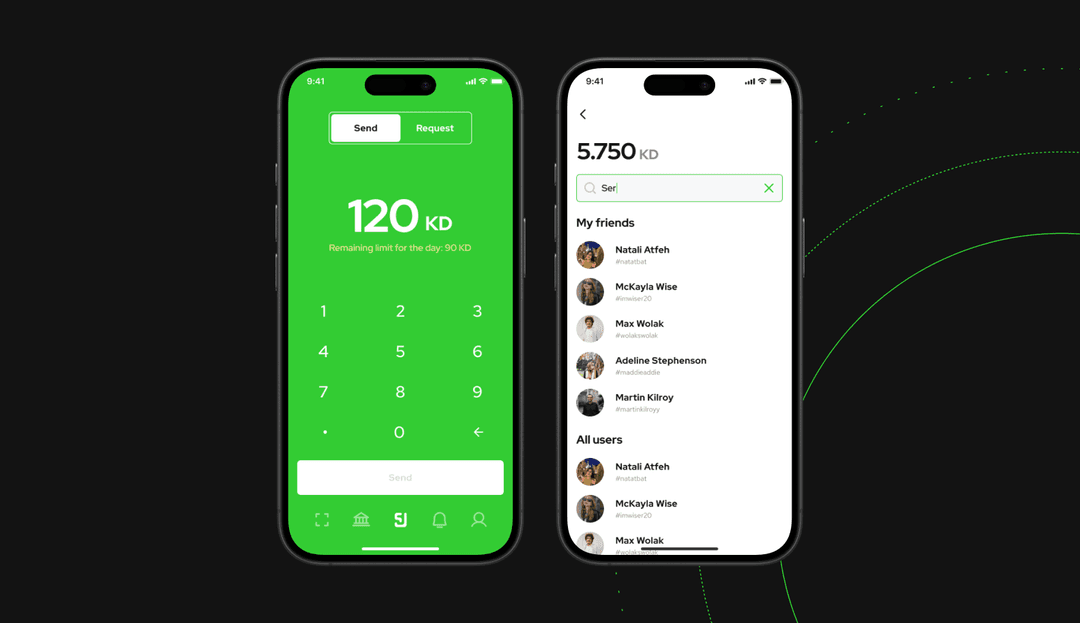
When a core system stays closed, a simulated backend plus a clean handoff keeps the project moving
Cost depends almost entirely on scope, so treat any single number with suspicion. A single RPA workflow is a different animal from an agentic claims platform. The ranges below reflect typical custom builds and should be read as estimates, not quotes, because your systems, data quality, and compliance scope move them significantly. For a deeper look at model-driven pricing, our AI app development cost breakdown is a useful companion.
| Automation type | Typical scope | Ballpark cost | Timeline |
| Single RPA workflow | One process, e.g. policy endorsements | $20,000–$60,000 | 1–3 months |
| Intelligent document processing | OCR plus ML extraction and validation | $60,000–$150,000 | 3–6 months |
| Claims or underwriting automation | Multi-step, integrated with core | $150,000–$400,000+ | 6–12 months |
| Agentic / end-to-end platform | Orchestrated agents across workflows | $400,000+ | 9–18 months |
The payback often comes faster than the build. A focused RPA deployment usually recovers its cost within the first year through labor savings alone, which is why a phased roadmap that starts small tends to fund the more ambitious phases that follow.
Most automation projects that fail don't fail on the technology. They fail on the conditions around it.
The first is data. Models and rules inherit whatever mess is in the source, so a project that automates on top of dirty, siloed data just scales the errors. Data readiness comes before automation, not after.
Change management is the next trap. An automated process that the team quietly routes around delivers nothing, so underwriters and adjusters have to be in the room early. Automation that supports the people doing the work sticks, and automation that replaces them by surprise gets sabotaged.
Over-automation is subtler. Forcing judgment-heavy work through rigid rules produces confident, hard-to-catch errors, which is why the nuanced cases still need a human in the loop.
The last one is compliance drift. An automated decision still has to be explainable to a regulator, so logging and audit trails belong in the design from day one, not bolted on after an audit asks for them.
Insurance automation pays off when it's treated as a sequenced program, not a single AI project. Start where volume and manual work concentrate, usually claims and underwriting, match each step to the right layer of RPA, machine learning, or agentic AI, and spend real effort on integration and data before scaling. The insurers pulling ahead aren't the ones with the flashiest models. They're the ones who automated the unglamorous plumbing first and built on top of it.
➡️ Thinking about building custom insurance automation software? Let's scope it together. Talk to our team about insurance software development and get a free estimate in 48 hours.
Insurance process automation is the use of software to run insurance workflows with little or no manual effort. It spans robotic process automation for rule-based tasks, machine learning for reading and scoring documents, and agentic AI for multi-step decisions, applied across claims, underwriting, policy administration, and compliance.
The highest-return targets are claims processing (from first notice of loss to settlement), underwriting, policy administration, compliance and reporting, distribution and onboarding, and fraud detection. Almost any high-volume, rules-based workflow is a candidate, and most insurers start with claims and underwriting because that's where cost and cycle time concentrate.
The main benefits are speed, cost, accuracy, and compliance. Claims automation can cut processing time by up to 50% and loss adjustment expense by 25% to 30%, RPA sharply reduces data-entry errors, and AI fraud analytics could save P&C insurers up to $160 billion by 2032, according to Deloitte. Faster, cleaner service also lifts customer satisfaction.
It depends on scope. A single RPA workflow usually takes one to three months, intelligent document processing three to six, a full claims or underwriting build six to twelve, and an orchestrated agentic platform nine to eighteen. A phased roadmap that ships one workflow first is the reliable way to hit those timelines.
The three biggest barriers are dirty or siloed data, integration with legacy core systems, and change management. Legacy technology is the standout: 74% of insurers say it holds back growth. Over-automating judgment-heavy work and treating compliance as an afterthought are the other common ways projects stumble.
Cost scales with scope. A single RPA workflow typically runs $20,000 to $60,000, intelligent document processing $60,000 to $150,000, and a multi-step claims or underwriting build $150,000 to $400,000 or more. Data quality, the number of core-system integrations, and compliance requirements are the factors that move the final figure most.