Explore

Need help with your project?

Oops! Something went wrong while submitting the form.
SaaS applications can become a game-changer for startups and larger businesses. Look around: most of the day-to-day work-related tasks are performed in cloud-based spaces via the Internet. From content management to project tracking, accounting, and hiring — the software as a Service platform can cover all types of needs.
In this article, we will review all aspects of the SaaS development process at Purrweb: key examples, main steps, costs, and timelines. There’s a lot to cover here, so feel free to use the table of contents on the right. Let's go!

SaaS application development turns a validated product idea into cloud software that customers access by subscription. The work covers discovery, tenancy and data architecture, UX/UI design, development, security testing, launch, and continuous scaling.
A focused MVP keeps the first release testable. Architecture follows the product’s isolation and growth needs, while the budget also covers integrations, compliance, and maintenance, not only initial coding.
SaaS application development turns an idea into cloud-based software customers use online. It covers product discovery, design, architecture, coding, launch, and ongoing operation. Unlike traditional software or a standard web app, the development team plans for separate customer environments, recurring service delivery, and growth from the start.
That scope is what SaaS development services address.
Before architecture, it helps to name the SaaS solution and product pattern. The category shapes who pays, how specialized the workflow becomes, and how much control customers expect. A cross-industry tool, an industry product, an enterprise platform, and a focused service create different product decisions.
Project management software shows how web applications can work across retail, design, and software teams because each group needs one place for tasks and deadlines.
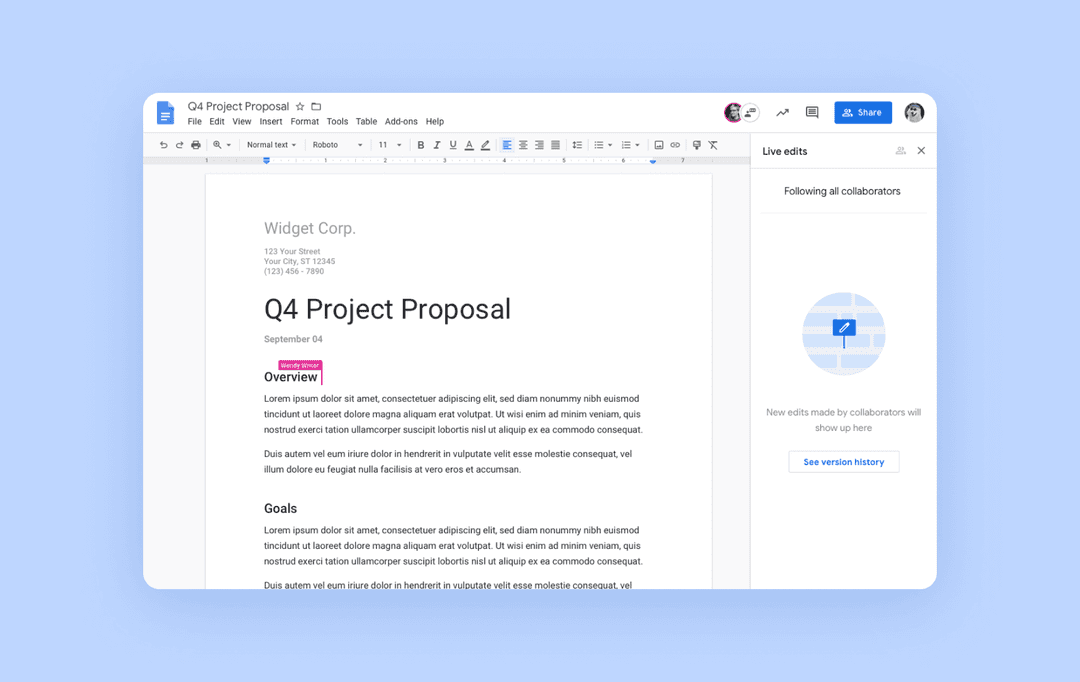
A custom SaaS application for clinic scheduling handles appointments, patient records, insurance claims, and reminders that generic tools rarely support.
Customer relationship management shows how enterprise B2B SaaS can connect departments while approval paths, audit logs, and access controls govern work.
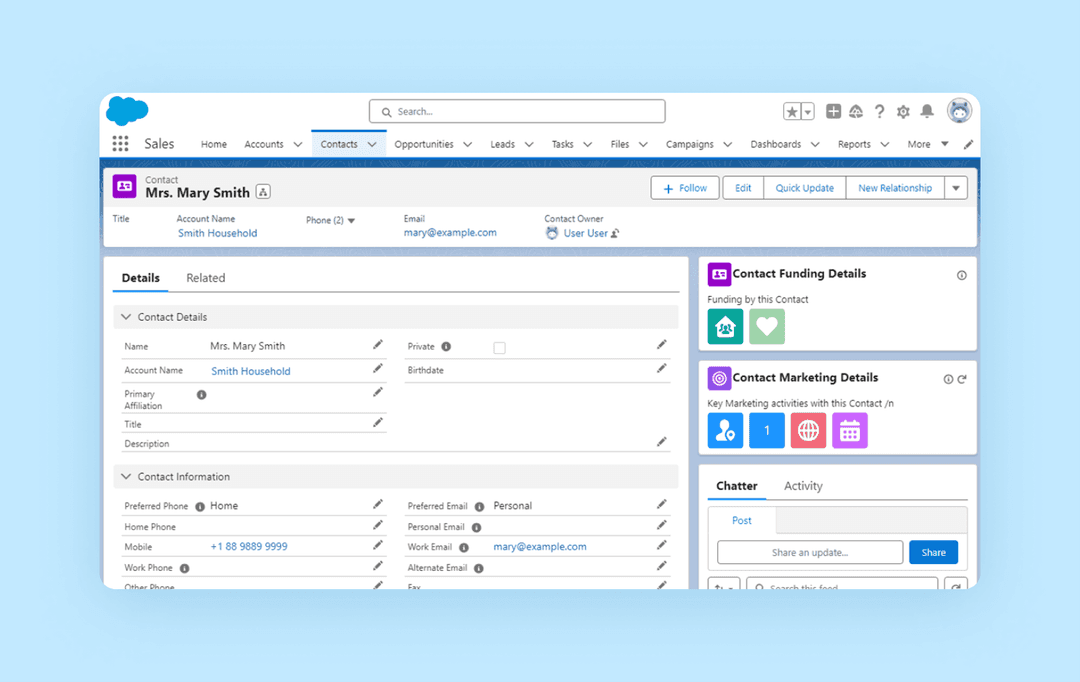
An artificial intelligence (AI) invoice reminder tool solves one recurring job for freelancers who send invoices but do not need a finance stack.
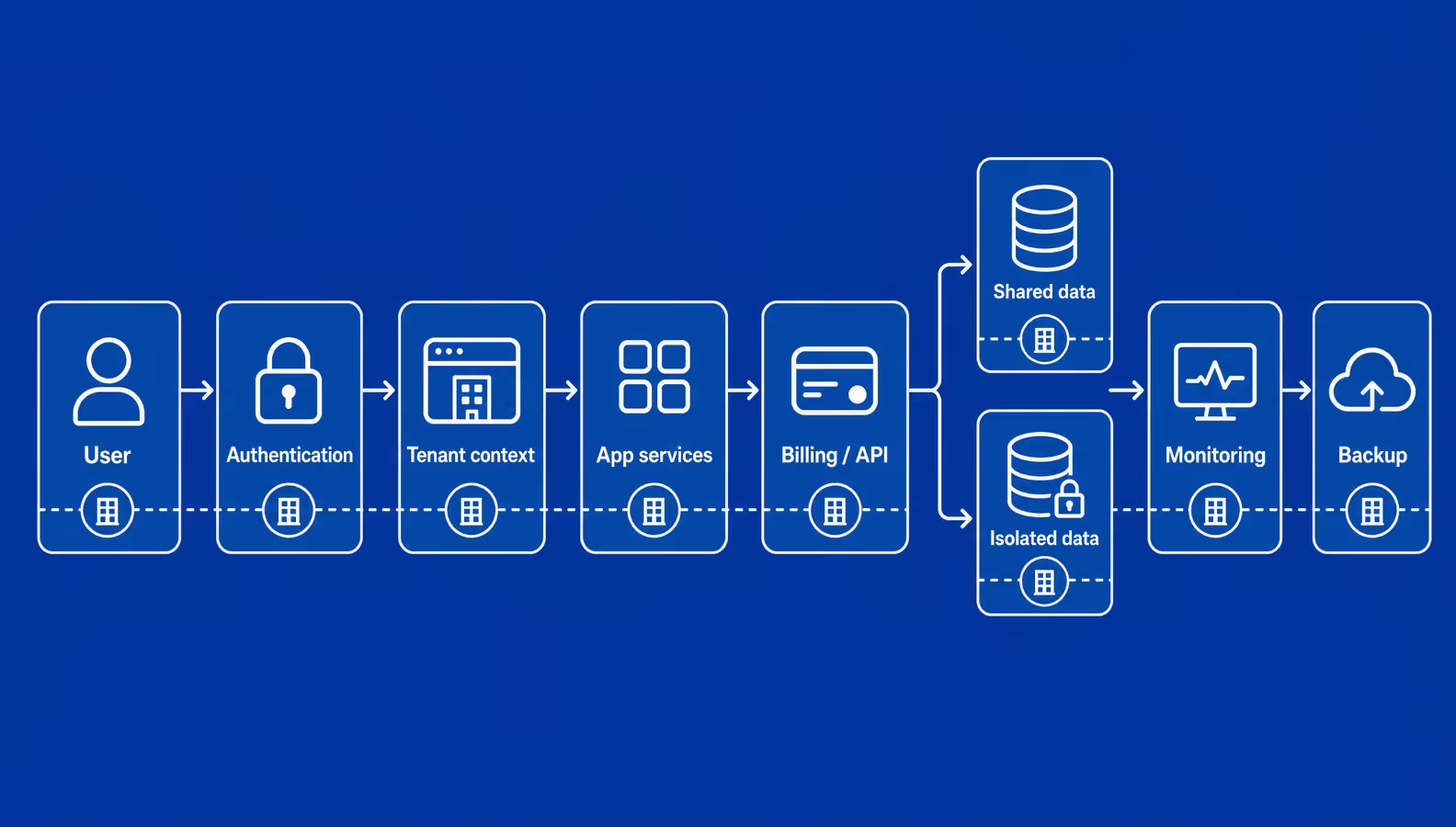
Multi-tenant SaaS architecture decides how customers share an application instance without sharing data. The right model depends on contractual promises, AI workload, and risk. It also shapes software delivery, scalability, billing, and support once the product adds tenants and the team commits to infrastructure.
Early SaaS software often shares one database and separates records by tenant ID. Authentication must enforce the same boundary on every API request, including AI calls.
Separate schemas create a logical boundary inside a cloud provider’s cloud computing environment. They suit different retention rules, but complicate migrations and monitoring.
A database per tenant offers stronger isolation for regulated data or enterprise contracts. The added cost requires automated provisioning and load balancing.
Customer promises determine whether that complexity pays off.
| Model | Pros | Limitations | When to choose |
| Shared app + shared DB + tenant_id | fast launch, lower operating cost, simpler updates | requires reliable tenant isolation and access control | MVP and most early-stage SaaS products |
| Shared app + separate schema | stronger logical isolation, easier tenant-level backup | more complex migrations and monitoring | B2B SaaS with different data-retention policies |
| Shared app + separate database | maximum isolation, enterprise-friendly | higher cost and operational complexity | regulated data and large enterprise customers |
| Dedicated app instance | customization and isolation | slower updates and expensive support | exceptional contractual or compliance cases |
The software development process works as a series of investment decisions rather than a checklist. Each stage needs a result the team can review before spending more. The table connects those outputs to the question that decides whether the product moves forward.
| Stage | Main deliverable | Go/no-go question |
| Discovery | validated problem, audience, competitor map | Is the problem frequent and expensive enough? |
| Business model | pricing hypothesis and unit-economics assumptions | Who pays, for what, and how often? |
| MVP scope | prioritized feature list and acceptance criteria | What is the smallest version that proves value? |
| Architecture | tenancy, data, integrations, infrastructure plan | Can it isolate data and scale without premature complexity? |
| UX/UI | tested user flows and clickable prototype | Can users reach the core outcome without training? |
| Development | working increments, APIs, billing, admin tools | Is each release testable and observable? |
| QA/security | test results, access review, backup/recovery plan | Can the team detect, contain, and recover from failures? |
| Launch/scale | release plan, monitoring, support and roadmap | Which metrics trigger the next investment? |
Validation tests whether a defined audience faces a problem worth paying to solve. A problem statement, audience profile, and competitor map make the opportunity concrete. The stage closes when evidence supports the problem, not just the feature idea.
The SaaS business model turns demand into a sustainable exchange. It produces pricing and unit-economics assumptions, then asks who pays, for what, and how often. That answer sets billing before development locks in the wrong incentives.
MVP scope keeps the first release from copying every competitor. The guide to building a focused SaaS MVP helps turn the product’s core promise, with or without AI, into a prioritized feature list and acceptance criteria. The scope is ready when every included feature supports the same test.
Architecture, framework, and stack choices turn the scope into an operable system. Purrweb worked on Vendify and EnerGO, two SaaS products with different constraints. EnerGO later earned a government contract. The plan is ready when tenancy, integrations, and infrastructure protect customer data without premature complexity.
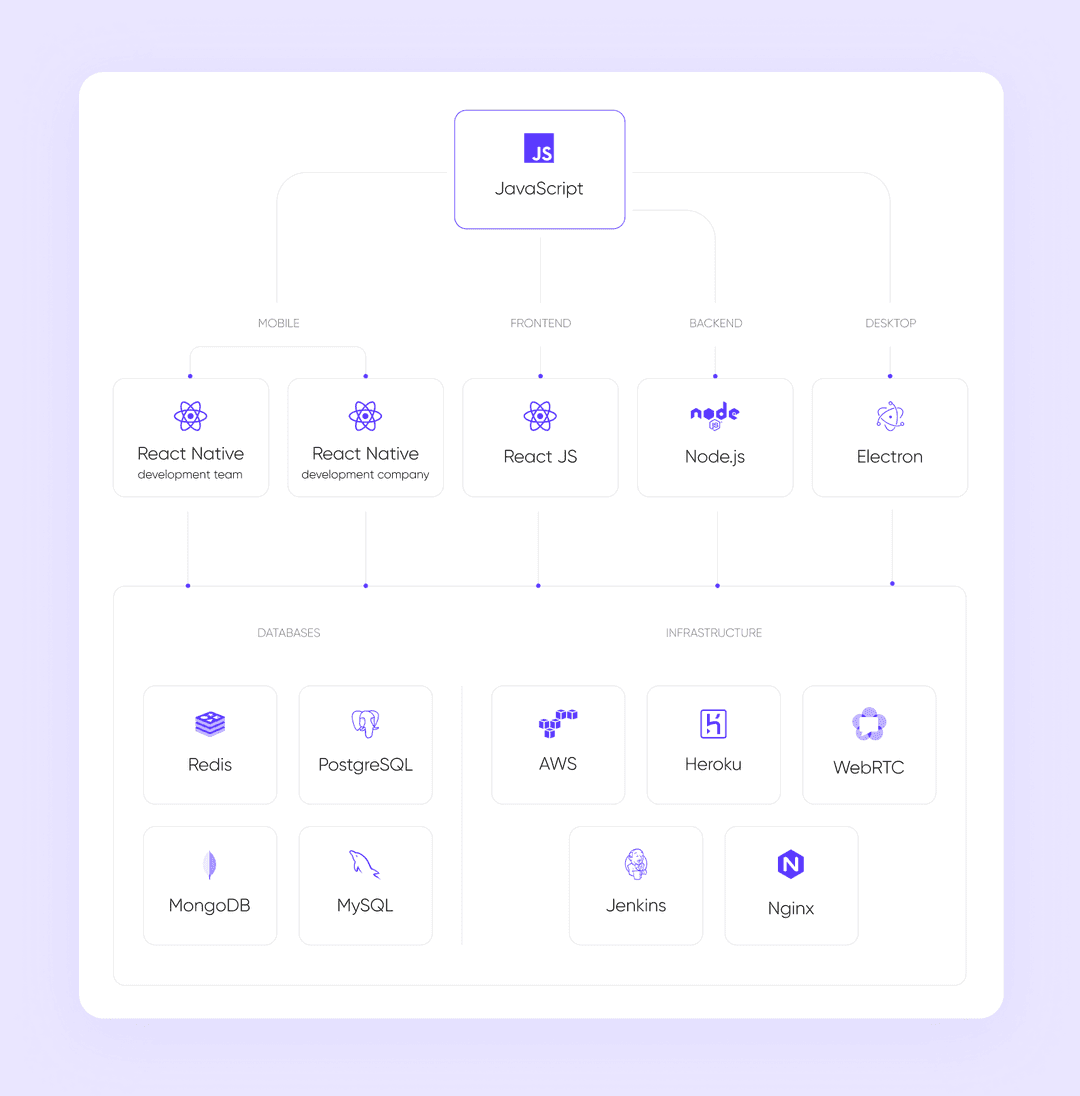
Design turns the promised outcome into flows people understand without training. The SaaS product design process creates tested user flows and a clickable prototype. Move into build when users reach the core outcome and interface rules are settled.
Development converts approved flows into working functionality, including APIs, AI integrations, billing, and admin tools. Each increment leaves behind code that can be tested and observed. The stage closes when integrations behave as expected in the environment.
Testing checks access, recovery, and behavior under failure before customers depend on the product. The evidence includes test results, an access review, and a backup and recovery plan. Launch stays blocked until the team can detect, contain, and recover from failures.
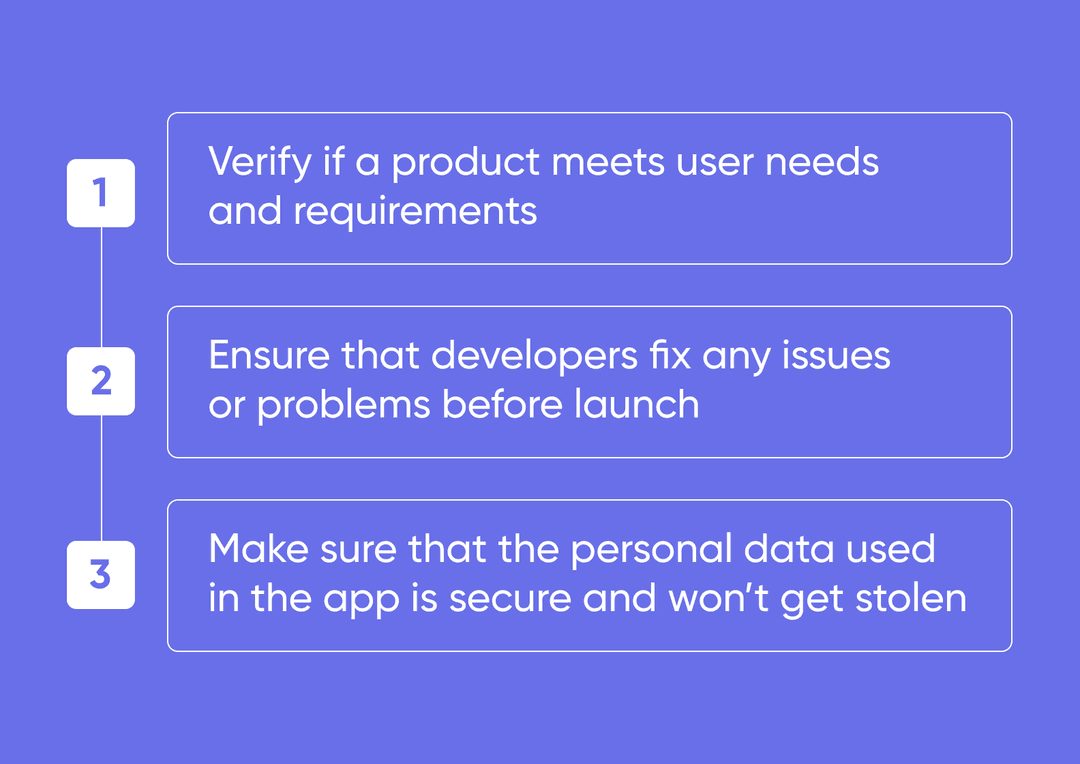
Product development continues through launch with a release plan, monitoring, support ownership, and a roadmap rather than a finish line. Those outputs show what happens after the first users arrive. The next scale investment follows agreed metrics that point to the constraint worth solving.
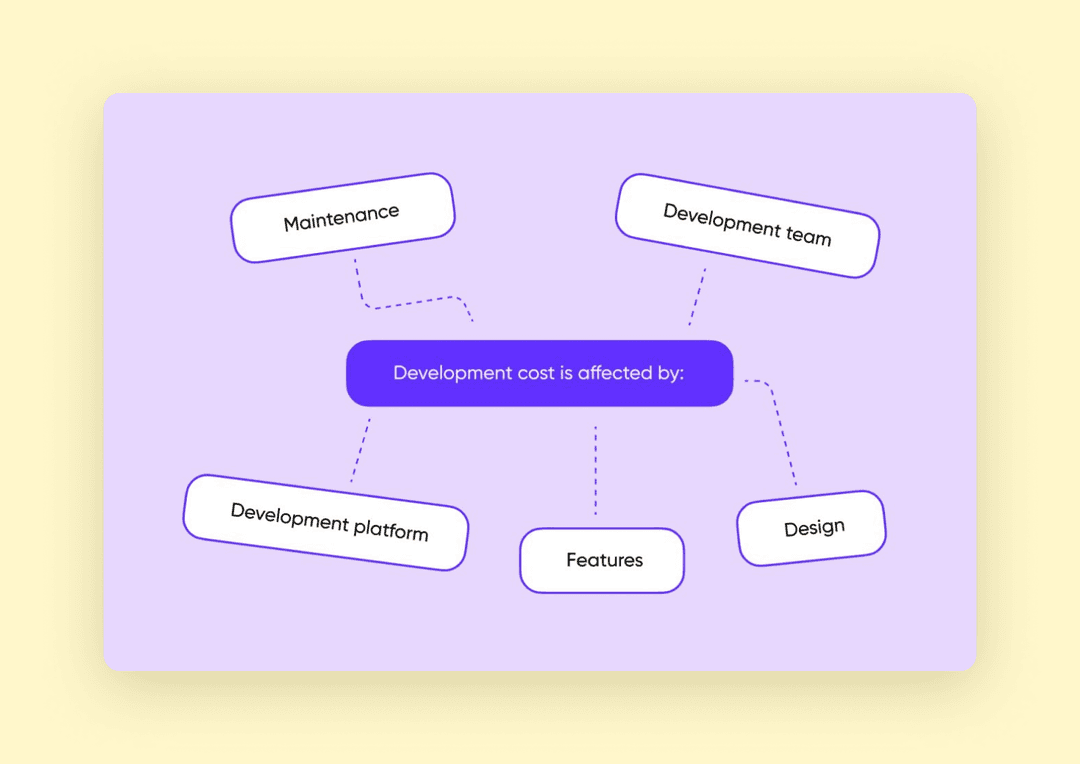
SaaS development cost varies with the product decisions behind it rather than a fixed rate. A focused MVP costs less than a custom SaaS platform built for multiple tenants, complex workflows, and ongoing operations. For a fuller view, see our full SaaS development cost breakdown.
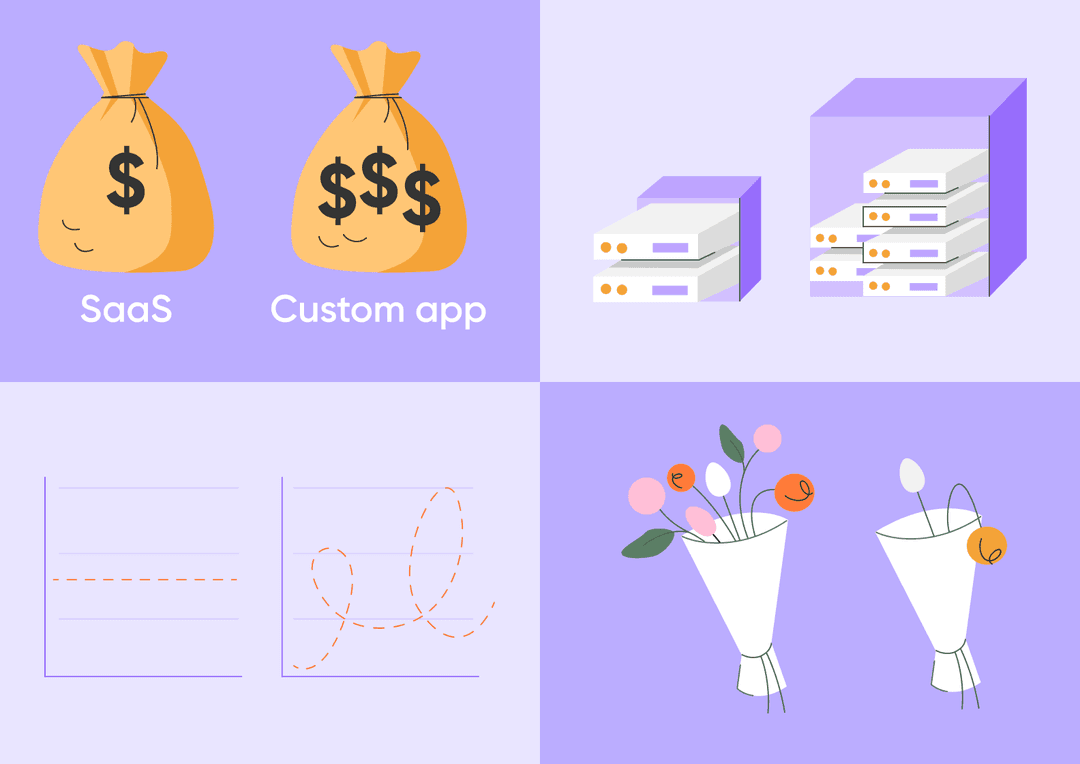
SaaS changes how software reaches customers. SaaS providers run the cloud service, while users access it through a subscription. The model works when demand changes, releases continue, or the product needs to connect with other tools.
The challenges in SaaS development are not solved by naming security controls but by proving they work before customers depend on the product. Teams need evidence that tenant boundaries hold, permissions match real responsibilities, and data can be restored. AI vendors or other providers must not create gaps no one owns.
| Control | Minimum evidence before launch | Why it matters |
| Tenant isolation | automated tests that one tenant cannot read another tenant's data | prevents cross-customer exposure |
| Authentication and roles | MFA option, role matrix, least-privilege review | limits account takeover impact |
| Encryption and secrets | TLS, encrypted storage where required, managed secret vault for AI and other integration credentials | protects data and credentials |
| Backup and recovery | tested restore procedure with RPO/RTO targets | backup without restore testing is not recovery |
| Monitoring and incident response | AI and system logs, alerts, ownership, escalation path | reduces detection and containment time |
| Compliance mapping | applicable rules and security framework tied to product flows and data | avoids generic GDPR-compliant claims |
| Market and subscription pressure | clear positioning, onboarding completion, support response, and renewal data | shows whether recurring value survives a crowded market |
Migrating a web application to multi-tenant SaaS makes sense when the product serves multiple paying customers. They need shared releases, recurring billing, and clear data boundaries. The current model is usually enough for one organization, a finite project, or a workflow that does not justify tenant operations. The SaaS approach changes the operating model, not just the hosting.
The comparison matters because migration adds recurring responsibilities alongside recurring access. It is useful only when those responsibilities match the product and customer model.
| Criteria | Regular web app | SaaS product |
| Customers | one organization or audience | many paying tenants |
| Data model | shared app data without a tenant boundary | explicit tenant isolation |
| Revenue | project, ads, transactions, or internal value | recurring subscription or usage billing |
| Releases | product-owner schedule | continuous updates for all tenants |
| Operations | standard hosting and support | billing, provisioning, monitoring, support, compliance |
These products matter less as brands to copy than as examples of choices that shape a SaaS product. Each one highlights a decision that changes how the service is built and used. That is more useful than a catalog of familiar logos.
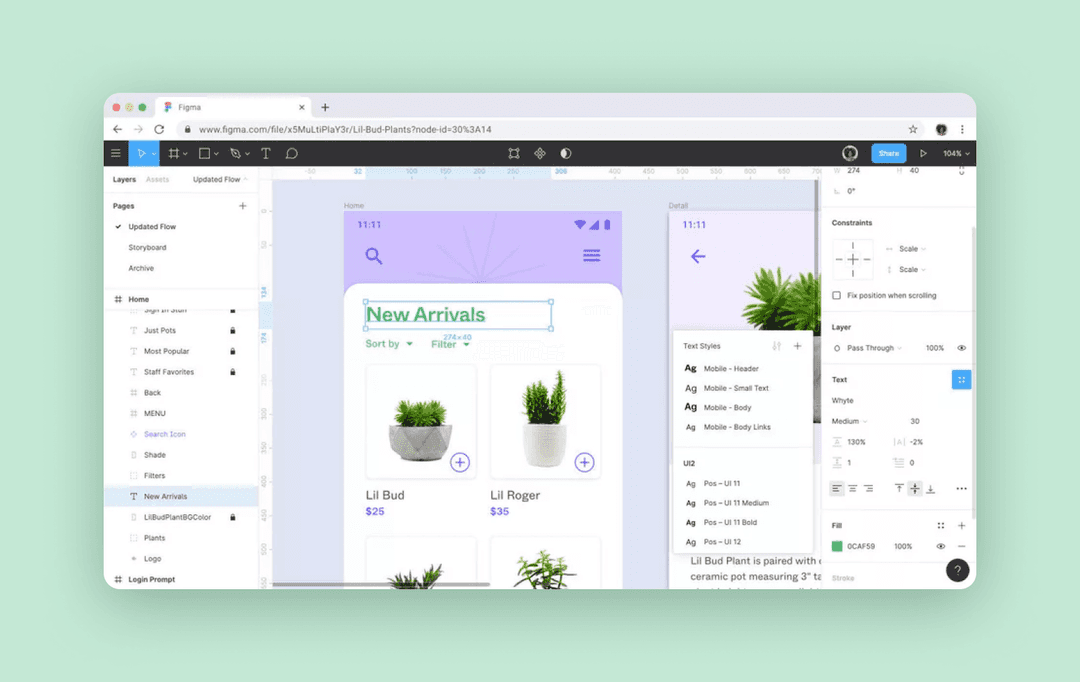
Figma shows web browser collaboration built on shared state. Synchronized edits and cursors keep teams in one file, not separate versions.
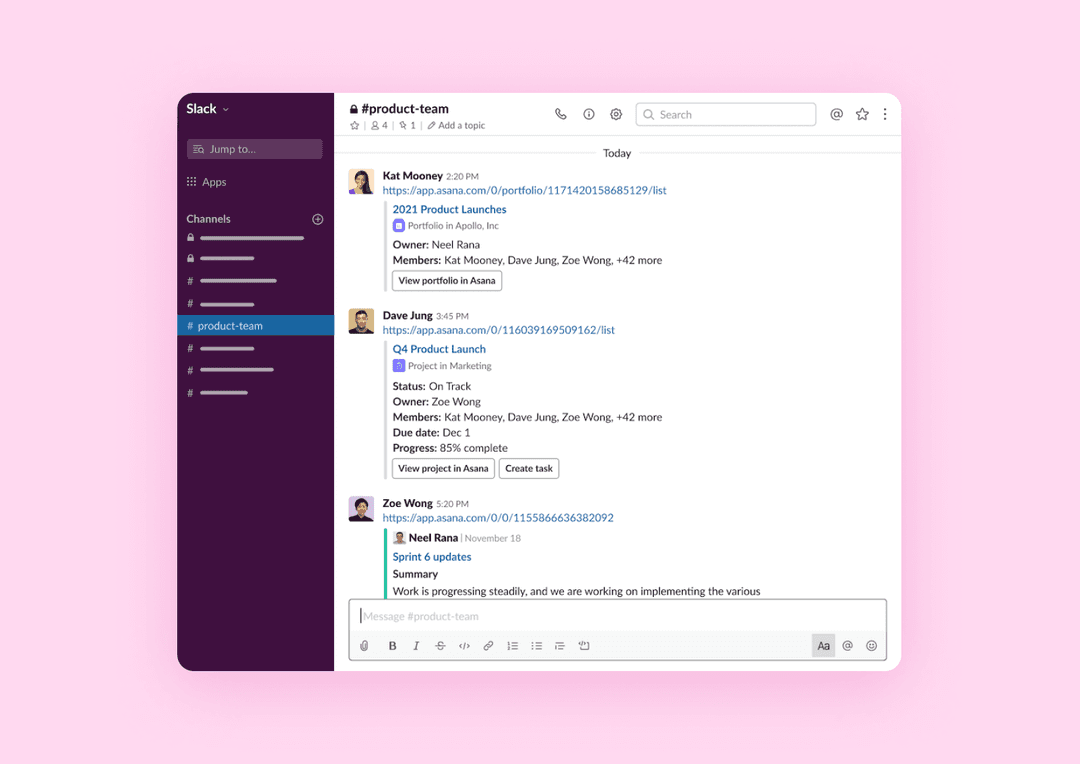
Slack illustrates how workspaces create context, while integrations bring alerts and actions into the same conversation.
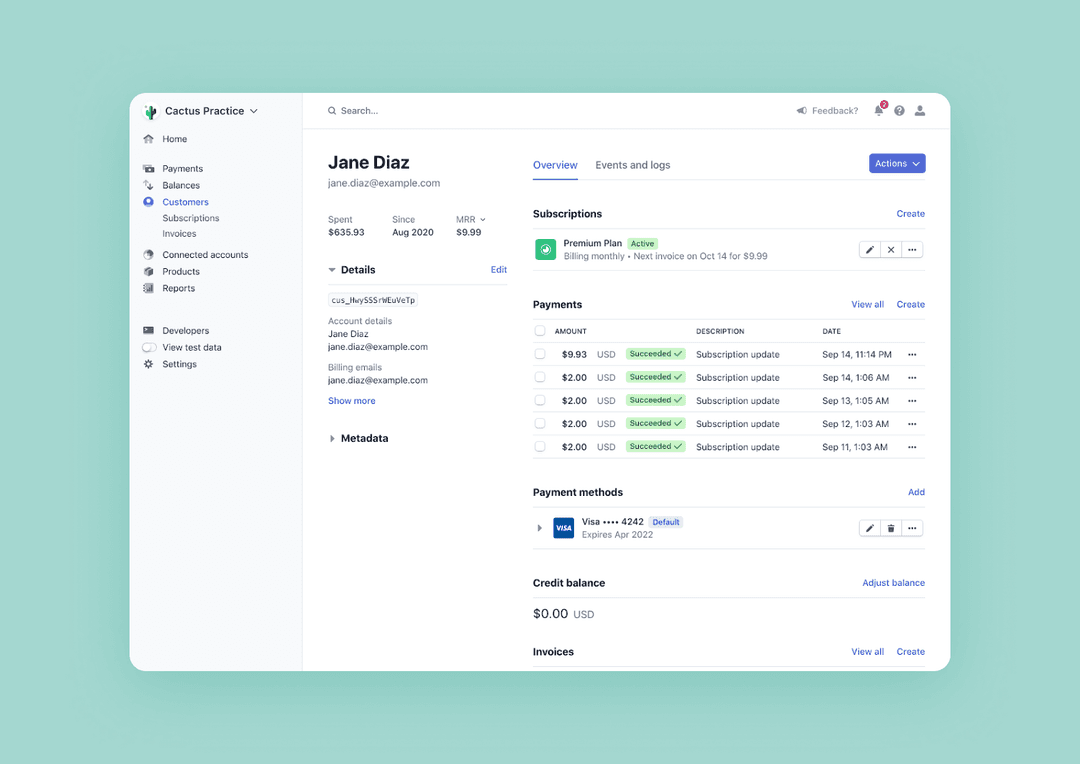
Stripe demonstrates an API-first payments platform. Product teams can connect payments to their own flows rather than build checkout infrastructure from scratch.
Choosing a SaaS development company is less about a long service list. The evidence is whether its SaaS developers have handled the decisions a subscription product creates. The useful signals are visible in architecture choices, delivery artifacts, and how the team remains accountable after launch.
Four questions make vendor conversations clearer:
The answers reveal substance, not promises. For more context, see outsourcing a SaaS development team.
Building a SaaS app means validating demand, choosing tenant isolation that fits the product, and treating security, billing, and operations as part of delivery. The right scope makes launch a measured next step, not a finish line.
➡️ Ready to turn the SaaS plan into a build? Tell us what you are building, and get a free project estimate within 48 hours.
SaaS application development is the process of planning, designing, building, deploying, and maintaining cloud-hosted software that users access over the internet, usually through a subscription. Unlike a standard web app, a SaaS product must support tenant isolation, recurring billing, scalable infrastructure, continuous updates, and reliable data security.
A focused SaaS MVP typically takes about three to six months to design and build, while a more complex product can take nine months or longer. The timeline depends on scope, integrations, compliance, tenancy model, data migration, and team size. Discovery and prototyping reduce rework before full development begins.
SaaS development cost depends on product scope, architecture, integrations, security requirements, team location, and whether you start with an MVP. A focused MVP usually costs less than a multi-tenant platform with advanced analytics or regulated data. Estimate the budget after discovery, when features, risks, and delivery stages are defined.
Most early SaaS products should start with a shared application and database using a tenant identifier, provided access controls and data isolation are designed correctly. Separate schemas or databases make sense for stricter compliance, enterprise contracts, or heavy workloads. The right model balances isolation, operating cost, and scaling needs.
AI is not replacing SaaS; it is changing product expectations and development workflows. SaaS teams increasingly add AI-assisted search, automation, recommendations, or support, but the product still needs reliable architecture, permissions, billing, security, and user experience. Add AI only where it solves a validated user problem rather than as a generic feature.


.svg)