Explore

Need help with your project?

Oops! Something went wrong while submitting the form.
Choosing among web design companies in California gets difficult once every portfolio looks polished. These ten agencies have verifiable web design or UX work and either a California presence or an explicit state focus. The right fit depends on whether the project is a B2B site, enterprise redesign, ecommerce store, or SaaS product.
In this guide, we'll compare California web design agencies by portfolio relevance, service scope, project fit, location, and verified market presence. We'll also look at when local access matters and when a remote specialist better matches the project.

We checked California presence or focus, user experience design work, target audience fit, delivery capability, performance optimization, and accessibility. We did not assign a score.
California recorded 1,897,490 business establishments in the third quarter of 2025.
Of those establishments, 1,434,938 had no more than four employees. The figures show market range, not demand for design services or agency quality.
We also compared each agency's web design services, published work, and delivery scope with its stated project fit.
The same checks guided every profile:
Performance matters because a responsive website has to work beyond a portfolio screenshot. In 2025, 48% of mobile websites achieved good overall Core Web Vitals.
Desktop results reached 56%. These figures explain why performance belongs in proposal review, not which agency is stronger.
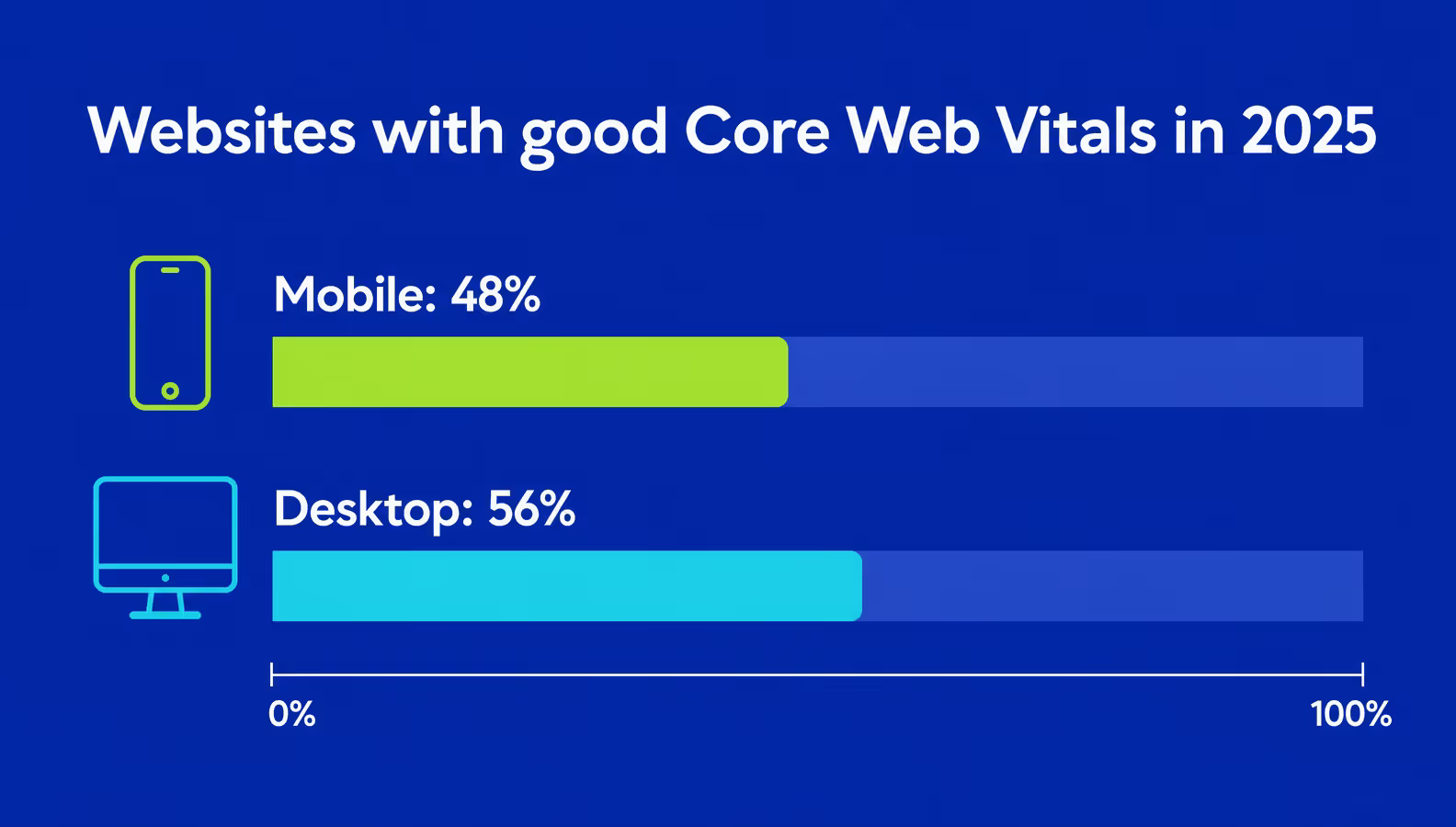
Desktop performs better, but neither device group reaches 60%
Purrweb is an international remote team without a California headquarters. It appears first because that is the editorial format. The remaining order reflects project fit, not a mathematical hierarchy.
The table keeps the same criteria visible across all ten companies before the profiles add cases and limitations.
| Company | California connection | Best for | Core services | Typical project fit |
| Purrweb | Remote/global | Startups and product teams | UI/UX, web design, development | Website or web app with one product team |
| Bop Design | California offices | B2B companies | Web design, content, marketing | Lead-generation website |
| 500 Designs | Irvine and San Francisco | Growth companies | Brand strategy, UI/UX, development | Brand-led redesign |
| Baunfire | Silicon Valley | Corporate teams | Web strategy, design, development | Technology marketing website |
| Clay | San Francisco | Enterprise tech and fintech | UX, branding, design systems | Complex brand and website program |
| SPINX Digital | Los Angeles | Corporate organizations | Web design, UX, integrations | Content or integration-heavy website |
| Storm Brain | Southern California | Ecommerce brands | Ecommerce, branding, SEO | Acquisition-led store or website |
| Goji Labs | Los Angeles | Product-led teams | Strategy, UX/UI, custom software | Web product or platform |
| Three29 | Sacramento portfolio | SMB and mid-market | Web, app, marketing | Regional website or application |
| Ready Artwork | Los Angeles focus | B2B manufacturers | WordPress, SEO, paid search | Pipeline-focused B2B website |
California presence affects collaboration, not quality. A local office supports in-person work, while a remote team widens the specialization pool. Working hours, review cadence, and decision access matter more than distance alone.
Purrweb is an international remote product design and development studio. It fits startup and product teams that want website or web-app design, UI/UX, and development handled by one delivery partner rather than split across several vendors.
For a website engagement, the team can work from early product discovery through information architecture and wireframes. Visual designers then build the interface, responsive states, and reusable components with implementation in mind. Developers can continue into the build, which reduces the interpretation gap that often appears when one agency hands static layouts to another company.
This model is particularly relevant when the website behaves like a product. Booking flows, dashboards, account areas, and other interactive features require more coordination than a conventional marketing page. Purrweb's portfolio includes web platforms alongside mobile products. This lets the team consider the wider user journey instead of treating the site as an isolated set of screens.
The California limitation is straightforward: Purrweb does not claim a headquarters or office in the state. Its remote model gives clients access to combined design and development. It is a weaker fit when recurring in-person workshops or a permanent local presence are contractual requirements. Working hours, review cadence, and decision access need to be agreed during discovery.
We designed APPT, a booking web application for independent professionals and growing service businesses. Customers can view a business profile and book a service, while providers manage staff availability, appointments, and reporting from the same product.
The main constraint was organizing frequent actions across more than 90 screens without burying booking controls inside complex navigation. We reviewed competing products and interviewed their users before building wireframes, the product architecture, and the main journeys. The resulting interface keeps appointment creation and editing in context while giving business owners direct access to schedules and performance data.
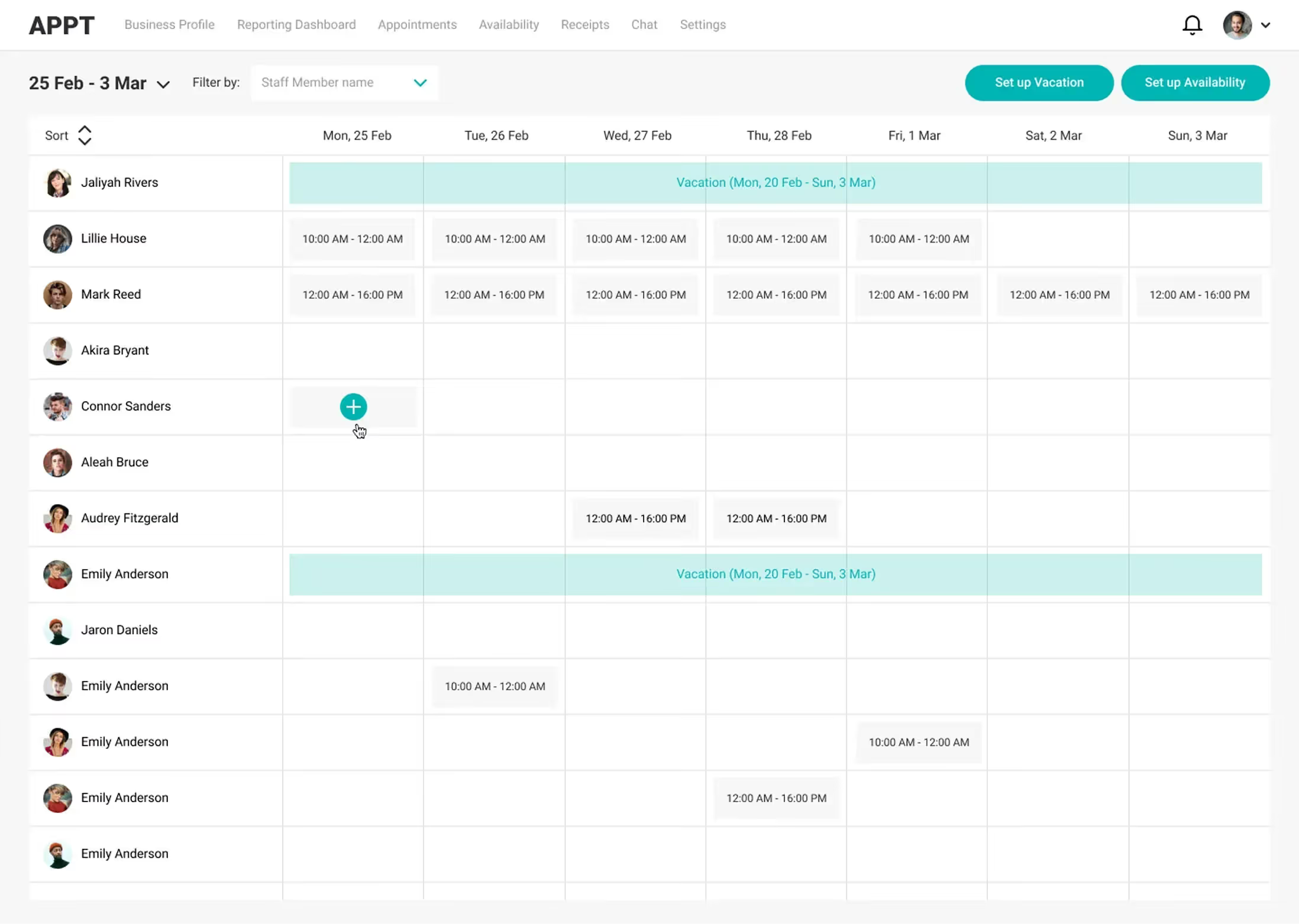
APPT connects booking, staff availability, and business reporting in one web workflow
APPT shows the kind of assignment where Purrweb's combined team is most useful. The design work had to account for business operations and customer booking at the same time. Interface decisions therefore depended on how the product would function after handoff.
A California client with a similar platform can keep product discovery, UX, visual design, and development within one working process. Remote delivery is the constraint. Teams that depend on frequent office sessions need to compare that requirement with the benefit of a broader product skill set.
Bop Design is a B2B website design company that also provides digital marketing. It has offices in San Diego and Orange County, giving California companies access to a specialist business-to-business team.
The agency fits projects where positioning and lead generation matter as much as visual design. Its services connect website strategy, content, design, development, and post-launch acquisition. This suits companies whose site has to explain a complex offer and move visitors toward a sales conversation.
The Glassdome case supports that fit. Bop Design redesigned the website for software that helps manufacturers monitor production and energy data. The engagement connected clearer product communication with organic-search strategy rather than stopping at a visual refresh.
Its public work is less relevant to consumer applications or dense logged-in products. Teams seeking product discovery, application UX, or complex software need to confirm those skills in the proposed delivery team.
500 Designs combines brand strategy with website and product design. It lists Irvine as its headquarters and San Francisco as another California location.
The agency fits projects that begin with positioning or identity work. Its team can move from brand strategy into information architecture, UI/UX, and development, reducing handoffs among separate branding, design, and engineering vendors.
For Platform Life Sciences, 500 Designs worked across strategy, branding, web design, and development. The site uses interactive maps, animation, and structured clinical-trial storytelling to explain a technical platform without generic healthcare language.
That breadth is unnecessary when brand guidelines and page architecture are already approved. The agency is more relevant to a rebrand or growth-stage website, although buyers still need to confirm who owns implementation after the strategic work.
Baunfire is a web design firm with a Silicon Valley presence. Its teams specialize in corporate and technology website redesign work that has to explain complex products through a polished public brand.
The agency works across web strategy, content direction, custom design, and website development. Motion and illustration add options for technical ideas that standard product screenshots cannot explain clearly.
Its Benchling case covers a marketing website for cloud software used in life-sciences research. Baunfire shaped the site experience and digital storytelling for scientific and business audiences, which reflects its corporate technology focus.
The public portfolio provides stronger evidence for marketing websites than for dense logged-in applications. Teams planning both a website and software platform need to confirm whether Baunfire covers product engineering or works alongside another development partner.
Clay is a San Francisco-founded agency working across branding, websites, and digital products. Its portfolio concentrates on enterprise technology, software as a service (SaaS), AI, and fintech.
The scope can begin with positioning and visual identity, then extend into website UX, motion, and design systems. Reusable rules help product lines and regional teams keep the public site consistent as content grows.
For Tipalti, Clay redesigned the marketing site for a payables automation platform. The work covered information architecture, wireframes, visual design, motion, and a scalable design system that supports different audiences and later content expansion.
Clay is a less economical fit for a small site with settled messaging. Buyers also need to confirm development scope and post-launch ownership because a design system only works when the implementation team can maintain it.

SPINX Digital is a Los Angeles web design and development agency. Its public work centers on corporate, real estate, and public-sector websites where content structure and system connections matter.
The agency fits projects with many page types or existing business tools. Its services cover strategy, UX, design, development, and marketing, while its cases include database integrations for changing website content.
For Rexford Industrial Realty, SPINX redesigned the site and connected it with Yardi, the client's property-management platform. Users gained clearer routes to available properties while the internal team retained synchronized data.
SPINX is a stronger match for substantial corporate websites than early product experiments. Buyers planning custom applications need to confirm who owns backend architecture and ongoing software delivery. The agency's own No.1 language is not part of this comparison.
Storm Brain combines web design and development with branding, e-commerce, SEO, and digital marketing. Its first-party pages list offices in Carlsbad, San Diego, and Santa Monica.
The agency fits companies that treat the website as part of acquisition. One engagement can connect identity and user journeys with ecommerce, search visibility, and campaigns. Product pages and checkout decisions stay tied to conversion goals.
The DIG Corp case involved a technical catalog and ecommerce experience for business and consumer buyers. Storm Brain connected website work with search engine visibility and product-page engagement rather than treating design as a separate deliverable.
That breadth is unnecessary for every project. A SaaS team seeking product discovery or logged-in application UX needs to confirm who handles research and interface design. It also needs clear ownership of custom development beyond the public website or store.
Goji Labs is a Los Angeles product design and web development company. Its first-party about page confirms a Los Angeles headquarters.
The agency fits teams whose new website is part of a larger digital platform. Services include product strategy, UX research, UI design, web development, and custom software. This scope helps when the user journey or business model still needs discovery.
For KCRW, Goji Labs worked on the public radio organization's member digital experience across its wider ecosystem. The engagement connected product strategy and UX with membership and donation journeys, establishing a six-month UX and minimum viable product foundation.
Goji Labs is less efficient for completed specifications that only need production. Buyers should confirm how much of the proposal covers discovery, which deliverables enter development, and whether the same team remains accountable through launch.
Three29 works across web design, app development, SEO, and digital marketing. Its portfolio includes several Sacramento organizations, making it relevant to regional small businesses and mid-market companies.
The agency fits websites that support both operations and customer acquisition. Development can extend the scope beyond a marketing site, while the same team continues into search visibility and campaigns after launch.
For the Greater Sacramento Economic Council, Three29 rebuilt the WordPress website and reorganized content for businesses considering the region. The project also addressed responsive performance, accessibility, and long-term maintainability.
Three29 is less clearly positioned for global enterprise product design or specialized SaaS UX. Buyers with a complex platform need to confirm architecture and research depth. For Sacramento-area organizations, local case evidence and post-launch marketing may outweigh broader agency recognition.
Ready Artwork is a Los Angeles-area B2B web design and marketing agency. Its work concentrates on manufacturers and technical companies whose websites and broader online presence support a sales pipeline.
The agency connects WordPress web design with SEO strategies, paid search, and content. This fits specialized products with longer buying cycles, where the site must explain technical differences and lead buyers toward an inquiry.
For Sentran, Ready Artwork rebuilt the website and WooCommerce experience for a precision-measurement equipment manufacturer, then paired it with Google Ads management. The useful evidence is shared ownership of the technical catalog and demand-generation program.
Ready Artwork is narrower than agencies covering product strategy or custom application UX. A team building a SaaS platform or logged-in product needs to verify product research and software architecture. For manufacturers seeking a pipeline-focused site, the specialization can be an advantage.
The right website design agency has evidence that matches the assignment and a proposal that makes responsibilities visible. Check relevant cases, working access, technical ownership, and the change process before comparing surface-level portfolio quality.
Project type comes first when planning a new site. A B2B site, ecommerce store, and logged-in product require different research and engineering depth. Ask which strategist, web designer, and developer worked on discovery, design, development, testing, and launch on similar work.
We built Settler, a Dubai renovation-management platform with mobile apps, a web admin panel, and a landing page. Property owners use it to follow progress and expenses remotely.
The client needed a first release within four months. We reduced the feature list and used existing services for broadcasts, scheduling, and payment confirmation. This kept the MVP focused, saved about $12,450, and left a documented product that we later transferred to the client's replacement team.
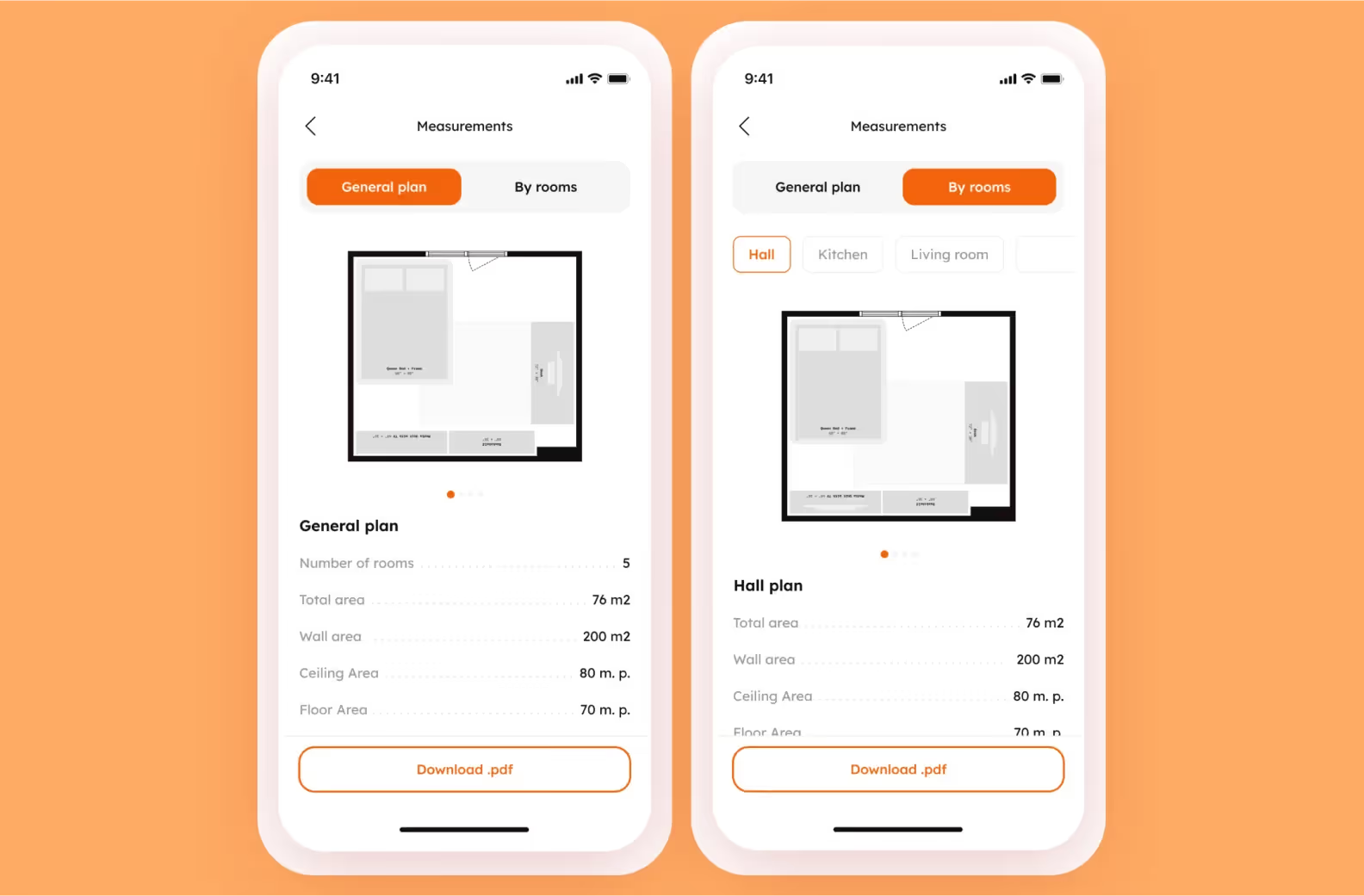
Settler protected a four-month MVP scope by replacing custom tools with existing services
Six questions expose most proposal gaps:
Ownership matters when brand work and website production overlap. The handoff needs editable source files, production formats, usage rules, and clarity about who adapts the system after launch. Exported images alone do not preserve a reusable identity across the website, sales materials, and later product changes.
We created a new identity for Shaoke, a shipping and logistics company. The system had to work across several services without generic transport symbols.
We refined the chosen mark after the client raised a cultural concern about sharp forms, then developed a green-and-blue system. The team tested it on contracts, packaging, uniforms, vehicles, mobile screens, and the website. We delivered a brand guide and production files, and the client later asked us to design the website.
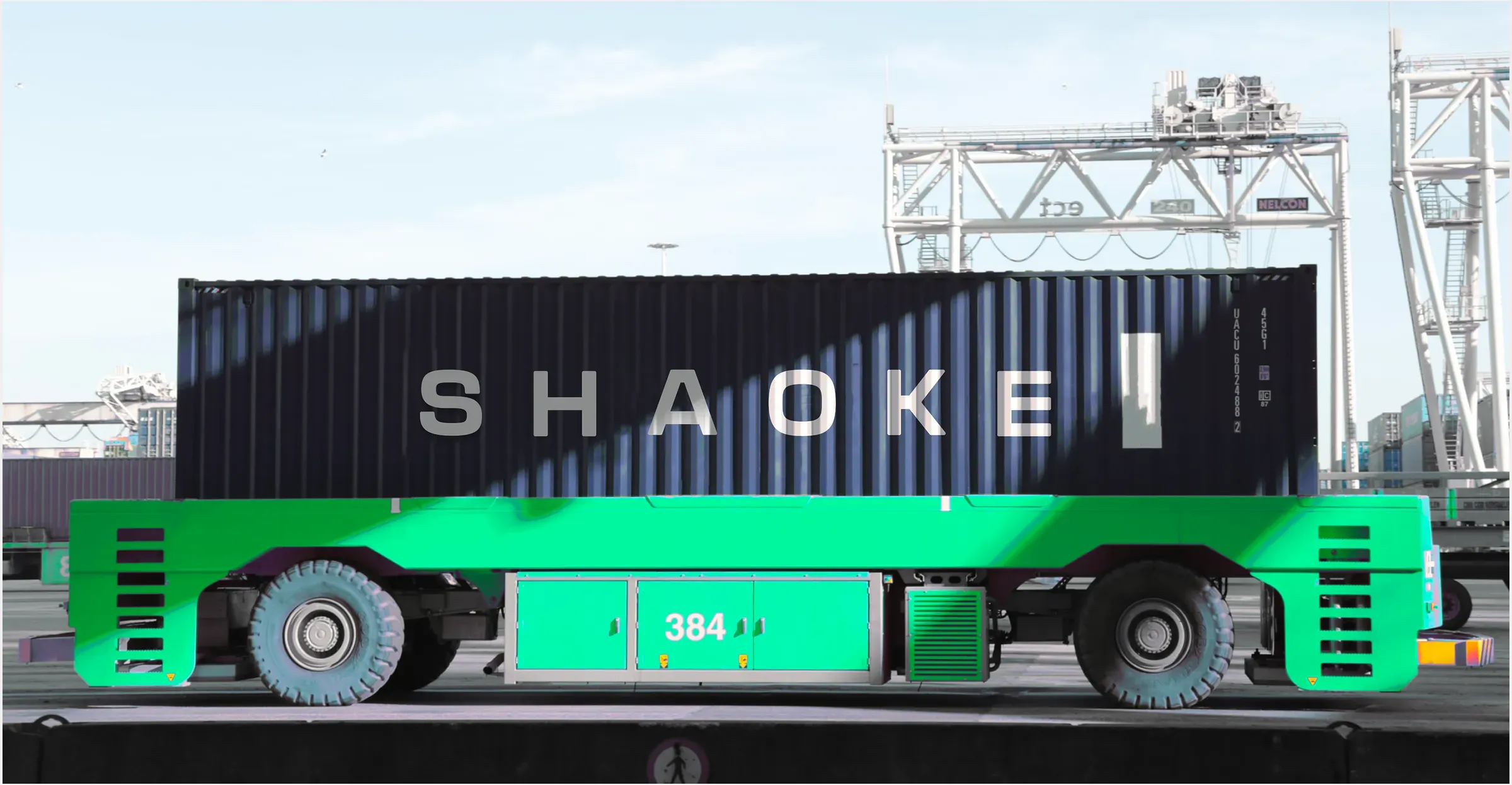
Shaoke's guide and production files kept one identity consistent across digital and physical touchpoints
Local and remote agencies solve different collaboration needs. For California businesses, a local office helps when the project depends on in-person workshops or regional context. A remote team expands the specialization pool for distributed stakeholders. Neither model replaces delivery controls. Working-hour overlap, named decision makers, review cadence, and escalation paths matter more than distance alone.
Readers seeking a Los Angeles web design company can compare our city list. Teams considering a broader talent pool can review how to outsource web design without losing process ownership.
The most useful agency comparison starts with project fit, then tests it against current cases and a clear proposal. California presence can support local workshops, while a remote team can widen the available specialization. Neither model compensates for unclear ownership or delivery responsibilities.
For other regional comparisons, see our lists of Florida web design companies and Denver web design companies.
➡️ Does Purrweb's remote model fit your project? Tell us what you're building to get a free estimate within 48 hours.
The best web design company depends on the project. A B2B lead-generation site, an enterprise redesign, an ecommerce store, and a SaaS product require different strengths. Compare agencies by relevant portfolio work, service scope, California presence, delivery process, accessibility and performance practices, and the experience of the team assigned to your account.
Start with agencies that have completed projects similar to yours in industry, complexity, and business model. Review live work rather than screenshots, ask who will handle strategy and development, and clarify ownership of design and source files. The proposal should define scope, milestones, revision limits, launch responsibilities, post-launch support, and how changes affect the schedule and budget.
There is no single California average because scope varies widely. A marketing website, ecommerce store, and custom web platform require different teams and timelines. Ask each finalist for an itemized estimate covering discovery, UX, visual design, development, content migration, testing, launch, and support. Compare assumptions and exclusions, not only the headline price.
The timeline depends on page count, content readiness, integrations, approval speed, and whether the project uses a CMS or custom development. A reliable agency should break the work into discovery, UX, visual design, development, testing, and launch, then identify client dependencies. Treat a deadline without a documented scope and review process as a warning sign.
A California-based agency can be useful when in-person workshops, local-market knowledge, or same-time-zone collaboration are priorities. A remote team can provide a wider specialization pool and may suit distributed stakeholders. Choose based on communication quality, relevant work, decision-making access, and delivery controls rather than location alone, and confirm working hours before signing.
A strong proposal should include project goals, audience, deliverables, sitemap or page scope, UX and design stages, technical approach, content responsibilities, accessibility and performance requirements, timeline, payment schedule, revision policy, testing, launch, and support. It should also identify the working team, approval points, third-party costs, ownership terms, and the process for scope changes.


.svg)