Explore

Need help with your project?

Oops! Something went wrong while submitting the form.
We develop mobile apps on Flutter. Our team will create a digital product for Android and iOS in the shortest time.
                                                         :.
             ..........               ......            :%#                          ..........
          .*@@@@@@@@@@@@*.          -@@@@@@@@-         :%@@+                      .*@@@@@@@@@@@@*.
          =@*..........*@=          .********.        -%@@@@:                     =@*..........*@=
          +@+          +@+                           -%@@@@@%.                    +@+          +@+
          +@+          +@+        .=+++++++++=.     -@@@@@@@@*                    +@+          +@+
          +@+          +@+        =@@@@@@@@@@@=    =@@@@@@@@@@-                   +@+          +@+
          +@+          +@+         :---------:    =@@@@@@@@@@@%.                  +@+          +@+
          +@+          +@+                       =@@@@@@@@@@@@%*                  +@+          +@+
          +@+          +@+                      =%##*++=--:..                     +@+          +@+
          +@+          +@+                     ..:--=++*##%=                      +@+          +@+
          +@+          +@+                  *%@@@@@@@@@@@@=                       +@+          +@+
          +@+          +@+                  .%@@@@@@@@@@@=    :---------:         +@+          +@+
          +@+          +@+                   -@@@@@@@@@@=    =@@@@@@@@@@@=        +@+          +@+
          +@+          +@+                    *@@@@@@@@-     .=+++++++++=.        +@+          +@+
          +@+          +@+                    .%@@@@@%-                           +@+          +@+
          =@*..#@@@@#..*@=                     :@@@@%-        .********.          =@*..#@@@@#..*@=
          .*@@@@@@@@@@@@*.                      +@@%:         -@@@@@@@@-          .*@@@@@@@@@@@@*.
             ..........                          #%:            ......               ..........
.:A ballpark range in seconds — refine it below, then talk to an expert.
MVP / new product
$30,000 – $45,000
~30% saved with React Native vs two native teams
Plus UI/UX design $5k–$5k · QA & project management included
What drives your estimate: iOS + Android build (+15%)
To fit a smaller budget: start with one platform
Preliminary estimate, refined on a call. USD.

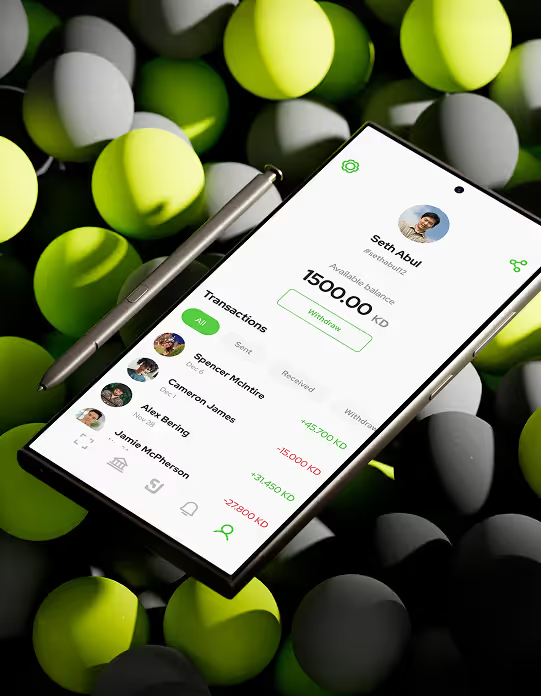
I'm the CEO of KEM, a P2P mobile payment service for the Kuwaiti market, where not everyone has access to online banking. Our banking partners needed an MVP for demonstrations. Purrweb delivered the design and the MVP, working around the restrictions on connecting to the banking API. On completion, they handed the project over to our in-house team with full documentation and a month of technical support.
KEM is a P2P app for instant money transfers in the Kuwaiti market: linked bank cards, money requests from the contact list, and transaction history. The key challenge: for security reasons, Kuwaiti banks don't allow outside developers to work with their API — so Purrweb built the back end on mock data, fully simulating the final functionality for demos.


I'm building Buzz, an app for finding and organizing events in small American towns. I came to Purrweb with almost nothing — just an idea. Purrweb helped with marketing, brand identity, and the logo, and walked the whole road to MVP with us, even when our requirements shifted a lot in the early stages. I valued the flexibility and the quality of the design.
Buzz is a geosocial service for residents of small American towns: a geolocation-based feed of public events, private events with friend invites, group chats, and a Ticketmaster integration. Purrweb created the brand identity from scratch, optimized the architecture, reused ready-made modules, and shipped the MVP in 12 months.


I'm the CTO of Personalised Co., an app for tracking supplement and vitamin intake. Purrweb designed the product's UI/UX with a Shopify store integration for automatic reordering, and built an interface for healthy living with personalized tracking.
Personalised Co. is an app for people who take supplements and vitamins regularly: intake tracking and automatic reordering through a Shopify integration. Purrweb designed the product's UI/UX with a supplement marketplace and a personal intake schedule.
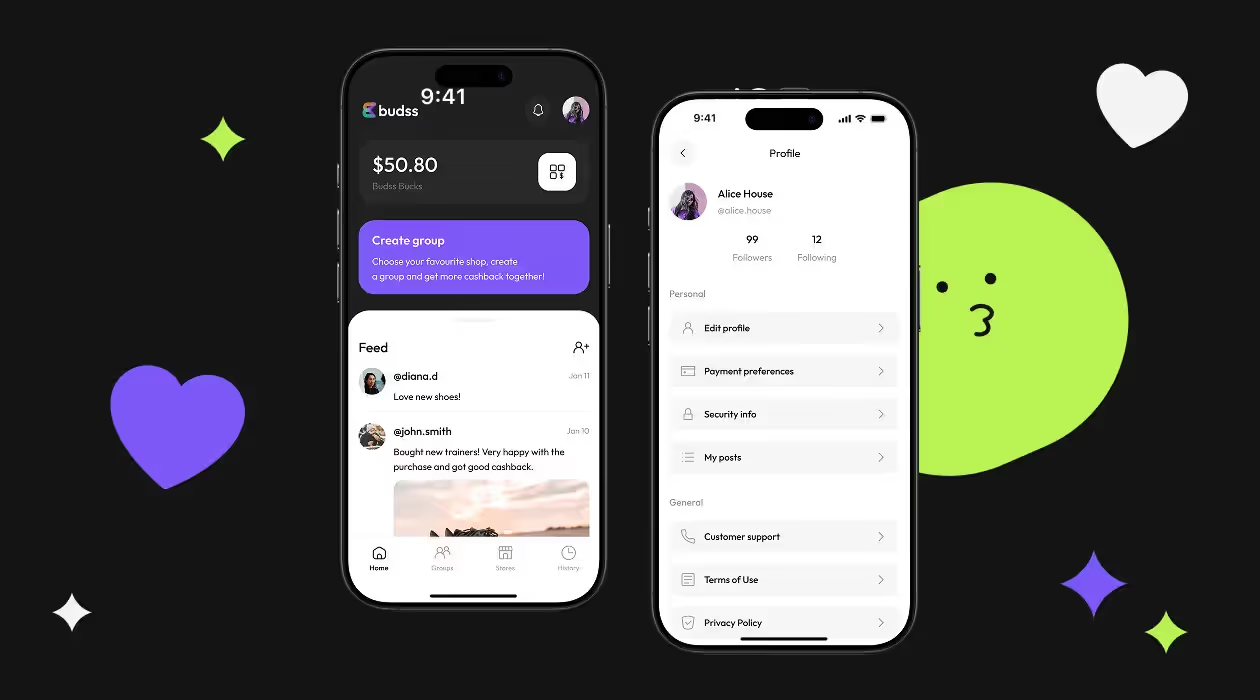
I wish I had known about you when I only started developing Budss. This way, I wouldn’t have to deal with the previous team’s mistakes.
I'm the CEO of KEM, a P2P mobile payment service for the Kuwaiti market, where not everyone has access to online banking. Our banking partners needed an MVP for demonstrations. Purrweb delivered the design and the MVP, working around the restrictions on connecting to the banking API. On completion, they handed the project over to our in-house team with full documentation and a month of technical support.
KEM is a P2P app for instant money transfers in the Kuwaiti market: linked bank cards, money requests from the contact list, and transaction history. The key challenge: for security reasons, Kuwaiti banks don't allow outside developers to work with their API — so Purrweb built the back end on mock data, fully simulating the final functionality for demos.
I'm building Buzz, an app for finding and organizing events in small American towns. I came to Purrweb with almost nothing — just an idea. Purrweb helped with marketing, brand identity, and the logo, and walked the whole road to MVP with us, even when our requirements shifted a lot in the early stages. I valued the flexibility and the quality of the design.
Buzz is a geosocial service for residents of small American towns: a geolocation-based feed of public events, private events with friend invites, group chats, and a Ticketmaster integration. Purrweb created the brand identity from scratch, optimized the architecture, reused ready-made modules, and shipped the MVP in 12 months.
I'm the CTO of Personalised Co., an app for tracking supplement and vitamin intake. Purrweb designed the product's UI/UX with a Shopify store integration for automatic reordering, and built an interface for healthy living with personalized tracking.
Personalised Co. is an app for people who take supplements and vitamins regularly: intake tracking and automatic reordering through a Shopify integration. Purrweb designed the product's UI/UX with a supplement marketplace and a personal intake schedule.
Based on our projects, a Flutter MVP takes approximately 4 months from design kick-off to App Store and Google Play submission. That breaks down as: 4–6 weeks for UI/UX design, 8–10 weeks for Flutter development and backend, and 2–3 weeks for QA and store submission. Projects with complex features — real-time messaging, video streaming, or offline sync — typically add 4–6 weeks. We work in two-week sprints so you have a working build to review every fortnight.
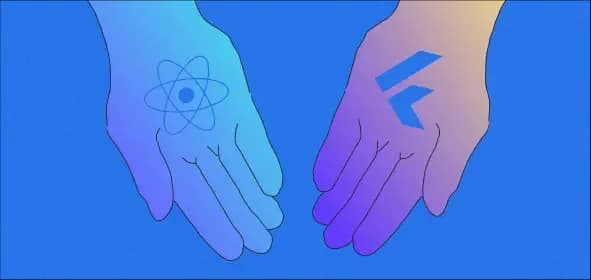
Both are cross-platform frameworks, but with a key architectural difference. Flutter uses Dart and its own rendering engine (Skia/Impeller), so the UI looks pixel-identical on iOS and Android. React Native uses JavaScript and maps to native UI components, which produces a more platform-native feel but can diverge slightly between platforms. In practice: choose Flutter if visual consistency and animation performance are priorities; choose React Native if your team has existing JavaScript/TypeScript experience or you need tight native module access. We build in both and can advise on your specific case in a 30-minute call.
Flutter is well-suited for apps across most commercial categories: e-commerce and marketplace apps, fintech and banking apps, fitness and health tracking, booking and scheduling, social apps with media feeds, and enterprise internal tools. It handles smooth animations and custom UI well — useful for fintech dashboards and fitness progress charts. Flutter is less ideal for apps that depend heavily on platform-specific features such as iOS home screen widgets or extensions with tight background-processing constraints — in those cases we evaluate React Native or native development.
A standard Flutter project team at Purrweb includes a system analyst, one or two Flutter developers (depending on scope), a UI/UX designer, a QA engineer, and a project manager. The tech lead is involved in architecture decisions from the start and stays through delivery. All team members are on staff — we do not subcontract Flutter development. For larger projects we can scale to three developers without switching teams, which keeps context continuity and avoids onboarding delays mid-project.
Yes — this is one of Flutter’s core advantages. A single Dart codebase compiles to separate iOS and Android binaries, both of which pass store review as native apps. We handle the full submission process: setting up developer accounts if needed, preparing store listings (screenshots, descriptions, localizations), and going through the review cycle. App Store reviews take 1–3 business days; Google Play takes 3–7 days for new apps. If a review is rejected, we address the feedback and resubmit at no extra cost. We also set up CI/CD (Fastlane, GitHub Actions) so your team can publish updates independently.
Four things matter most. First, Flutter-specific portfolio: ask to see apps currently live in the App Store and Google Play built with Flutter, not just mockups. Second, Dart seniority: Flutter developers who came from JavaScript often produce working code with poor performance on lower-end Android — ask about their approach to widget rebuilds and state management (Riverpod, BLoC, Provider). Third, design capability: Flutter’s strength is custom UI, so the agency should have in-house designers, not just developers. Fourth, post-launch support: ask specifically about Dart and Flutter version migration, since Google releases breaking changes roughly annually. We are happy to answer any of these questions about our own practice directly.