Explore

Need help with your project?

Oops! Something went wrong while submitting the form.
No doubt that 2026 is the year to enter the digital medtech market: since the pandemic, people worldwide have become more health-conscious, AI adoption is on the rise, while industry regulations are getting more transparent and easier to follow. If you’re thinking about what healthcare business to start and which direction to steer at, this article is for you.
Here, we share the top 10 business ideas for an app in the healthcare industry that will bring revenue and opportunities to scale. Plus, learn about common challenges and real-world examples.
%2520(1)%2520(1)%2520(1)%2520(1)%2520(1)%2520(1)-1.png&w=1920&q=75)
This year, healthcare is one of the fastest-growing markets for web and mobile apps. Since the pandemic, the industry has transformed from a conservative and slow space to an environment that welcomes creativity and innovation.
Here are 3 reasons why now is a great time for healthcare startups to enter the industry.
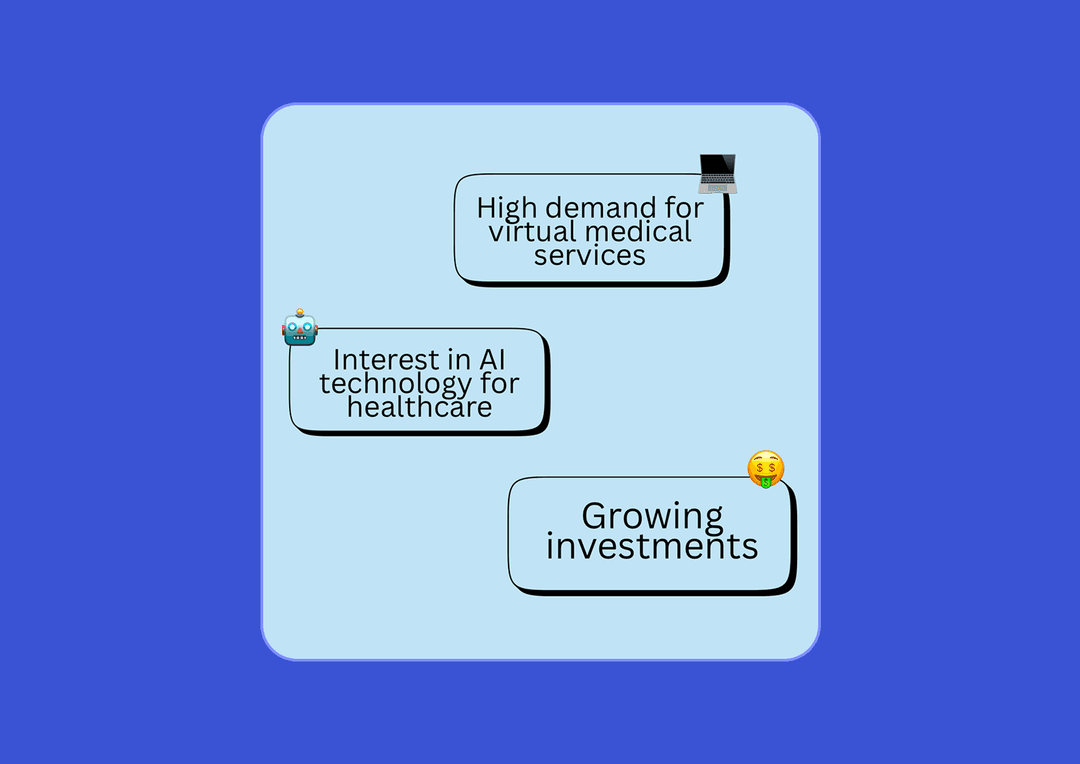
Remote medical services became the new norm. In 2026, patients are familiar with online consultations and often prefer them over visiting clinics in-person and sitting in traffic on the way. This means that if you enter the market, you get an already warm, highly engaged audience that doesn’t need education on digital health tools.
Venture funds and investors continue to show interest in healthcare startups in 2026 and beyond. Just last year, U.S.-based medtech companies received $14.2 billion in venture funding and closed over 480 deals. This proves that the market has investors who are willing to support creative ideas for digital health services.
The increasing popularity of AI spills over to the healthcare business: there is demand for it from both users and investors. Over half of the startups that were funded in 2025 were AI-based. These companies also raised larger rounds, scoring a 19% premium on average deal size compared with competitors that didn’t focus on artificial intelligence.
Healthcare is shifting toward digital, patient-centered, and scalable services. For startups, this opens up multiple entry points: from innovative direct-to-consumer apps to B2B automation tools for clinics.
Below, we gathered 10 of the best future business ideas for healthcare that reflect current market demand and are realistic to launch with an MVP in 3-4 months.
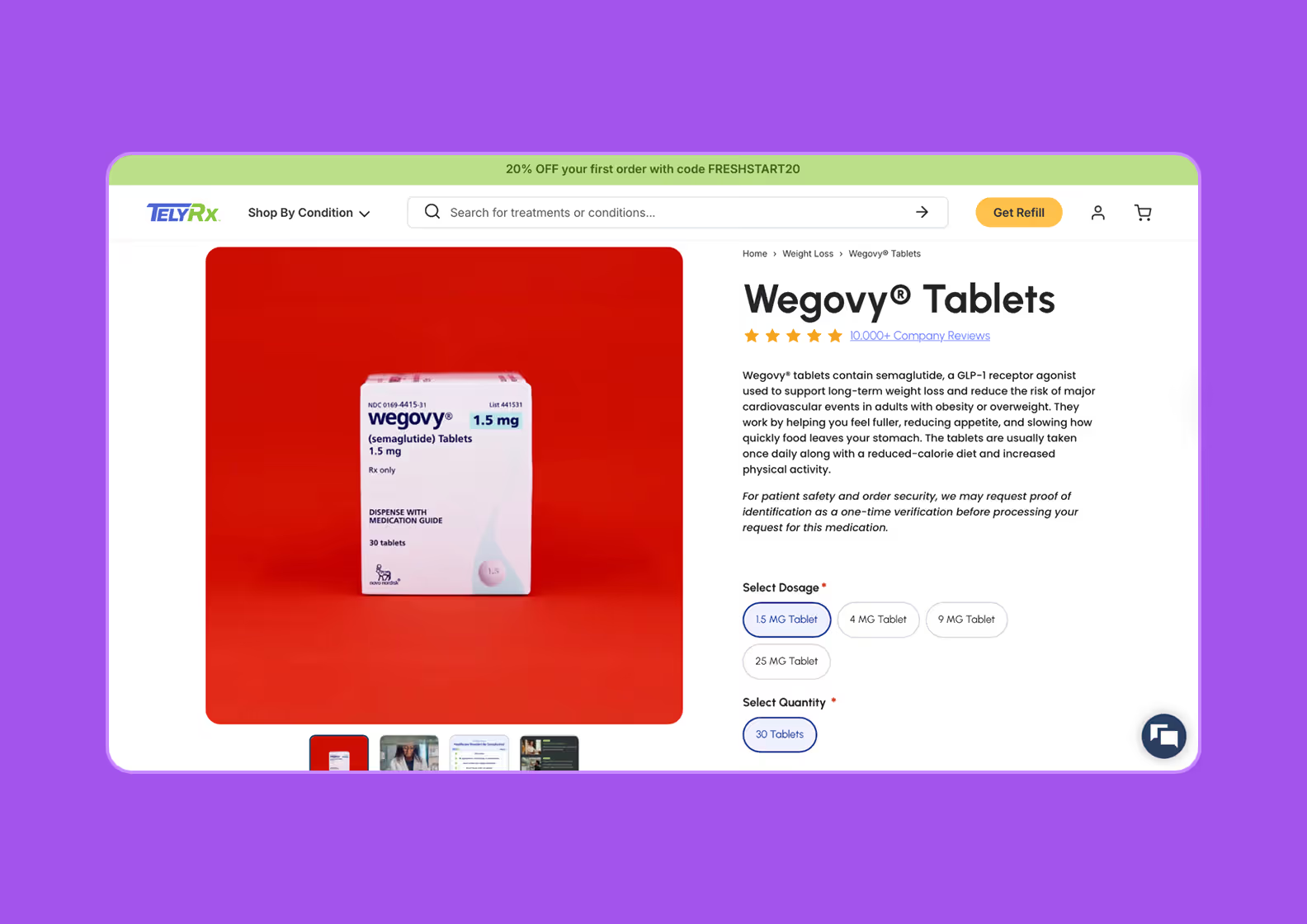
There is a huge demand for medical business ideas that center on the comfort of their patients. Online pharmacies let users order medications through an app and receive them via fast delivery. Many regions and local markets still have an empty niche spot for similar services, so this business plan is a great starting point.
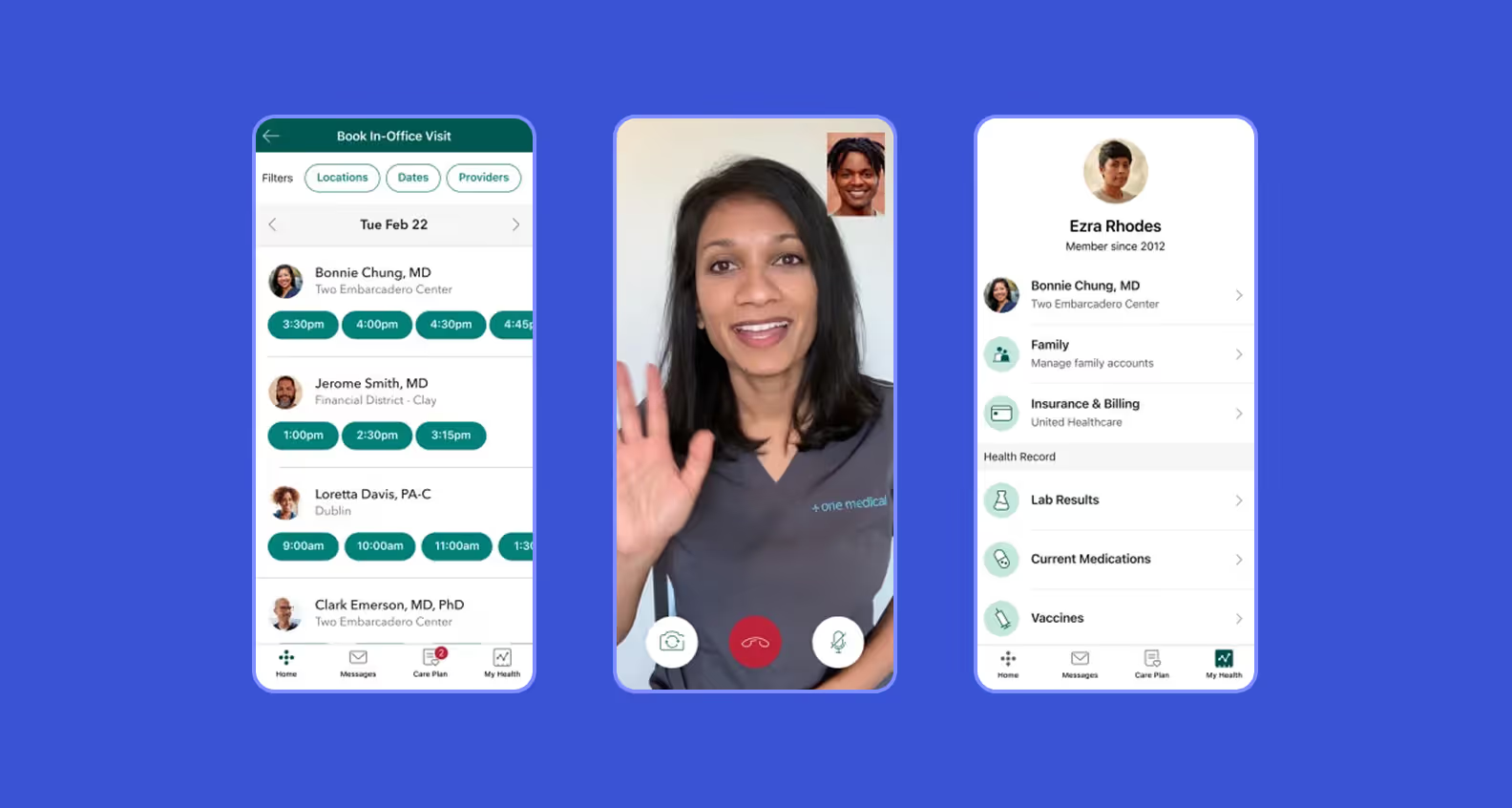
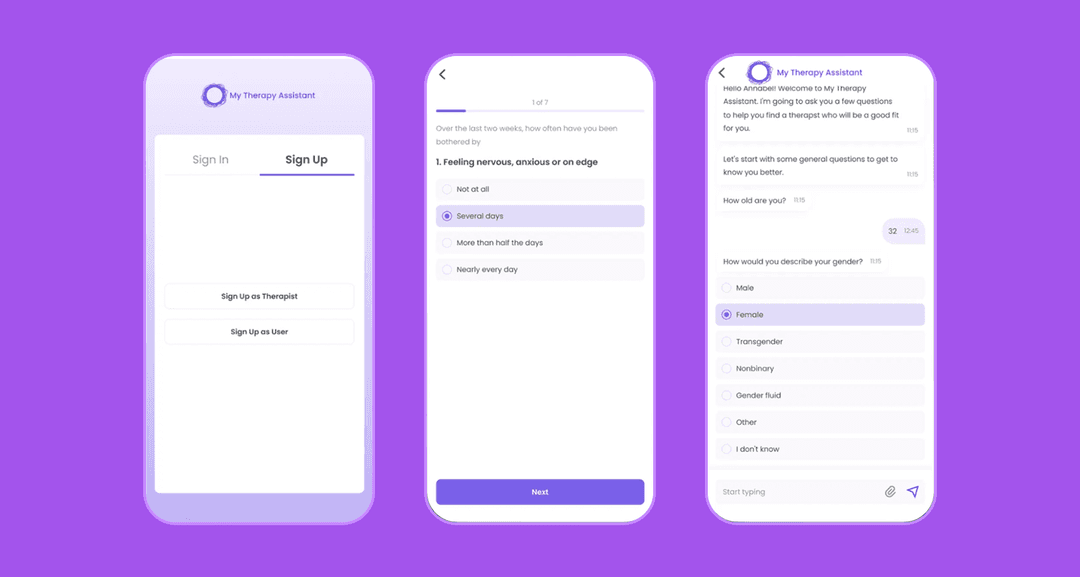
Telehealth apps connect patients with doctors through video, chat, or audio. The demand remains high because users still want quick access to medical care without visiting a clinic. There are many niches in this type of healthcare business: mental health or physical therapy, for instance.
⭐️ Our experience
We created My Therapy Assistant, a telehealth platform in the UK for online therapy sessions with licensed therapists. The services help people get mental health help fast, without waiting in line or commuting to a clinic.
This type of healthcare business service assists with finding nurses who can provide at-home patient care. It is useful for post-surgery monitoring, elderly patients, or people with chronic conditions who cannot visit a hospital often.
For patients who struggle to drive to appointments, you can offer services similar to a medical taxi — scheduled transportation for non-urgent care cases. Features for these apps can include booking, tracking, and reminders via push notifications.
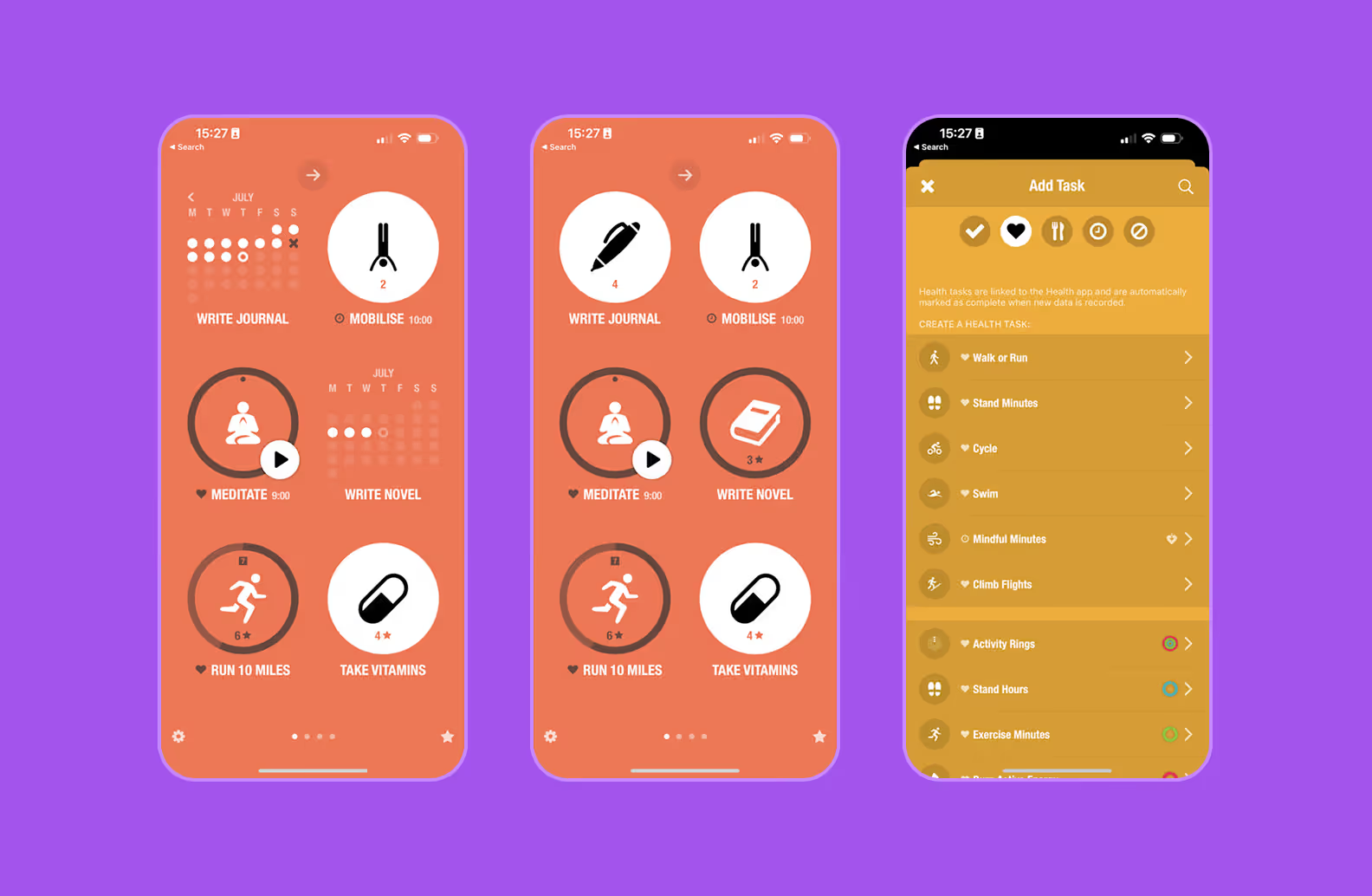
Business ideas that focus on preventive care allow users to monitor their health and avoid diseases. These apps include habit trackers, wearable integrations, and risk prediction tools. Great idea for a wide target audience — everyone is on their health kick these days.
Speaking of innovative business ideas in healthcare, you can develop a B2B platform that connects law firms with doctors who can provide independent medical opinions for court cases and testify as subject matter experts.
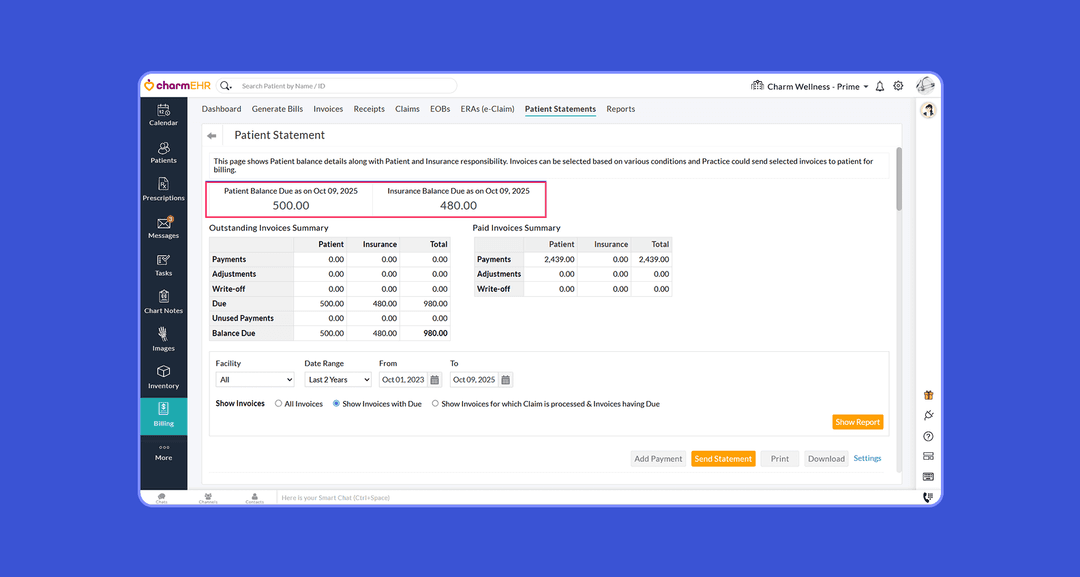
There is always demand for a convenient digital service that automates insurance claims, tracks payments, and reduces billing errors.
A new trend in the wellness market is mobile IV drips that are distributed by a registered nurse in customers’ homes. Already popular in the U.S., Dubai and spilling over to other regional markets.
Staff shortages are common in hospitals and there is a software niche for that too: a platform that connects clinics in need with temporary or full-time healthcare professionals who can pick up a shift.
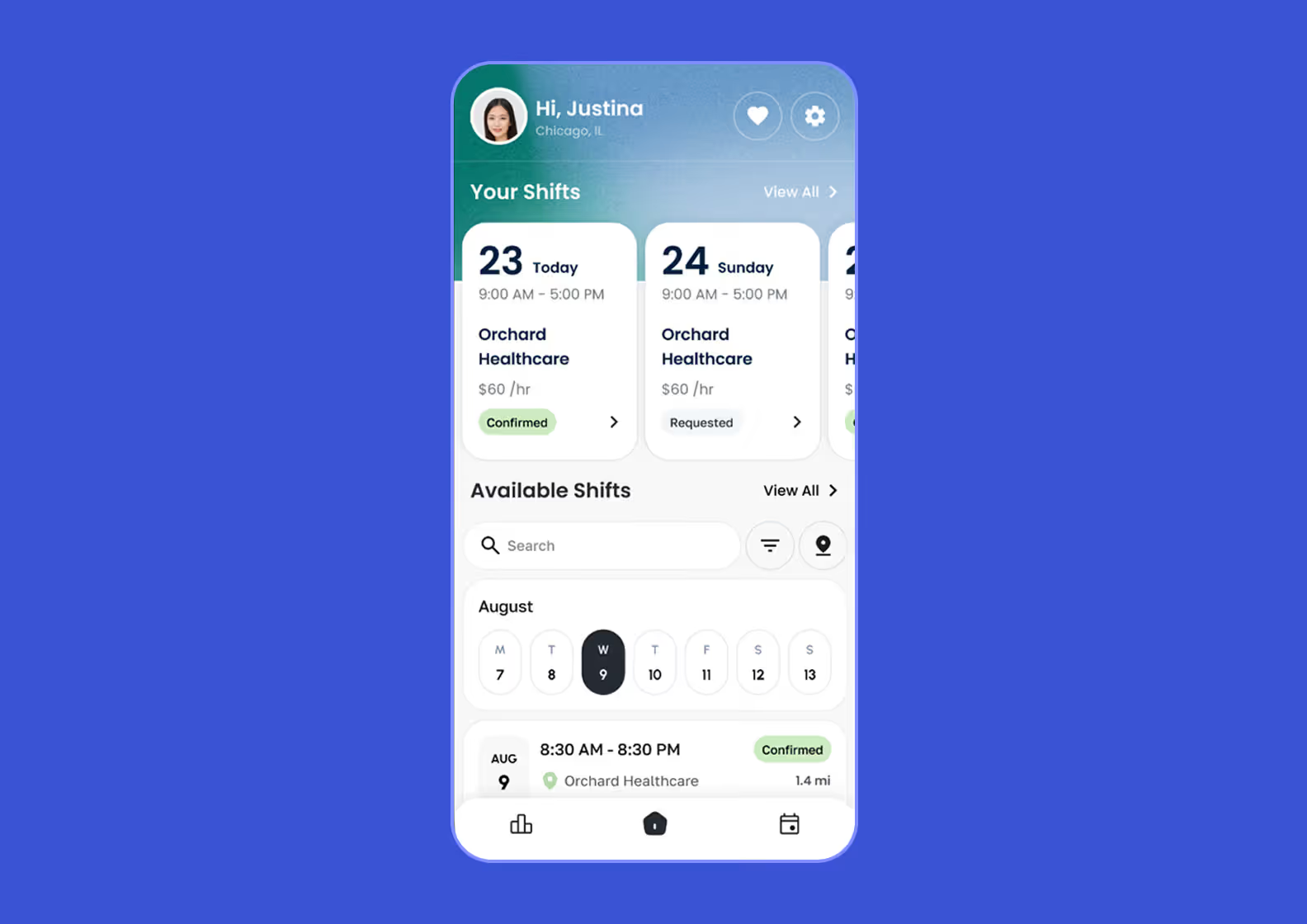
This model focuses on long-term non-urgent care at home. Here, patients can book caregivers, reschedule visits, and communicate with staff through an app. The target audience for this idea is the aging population and patients with chronic illnesses.
Building a healthcare business comes with challenges: abundant legal regulations, complex user flows and integration with existing systems. Here is more about these obstacles and how to approach them.
Healthcare products must comply with strict legal requirements. For example, in the U.S., it is HIPAA, in Germany there is DiGA. You need to consider these laws from the start and build software architecture with secure patient data storage, controlled access, and audit trails.
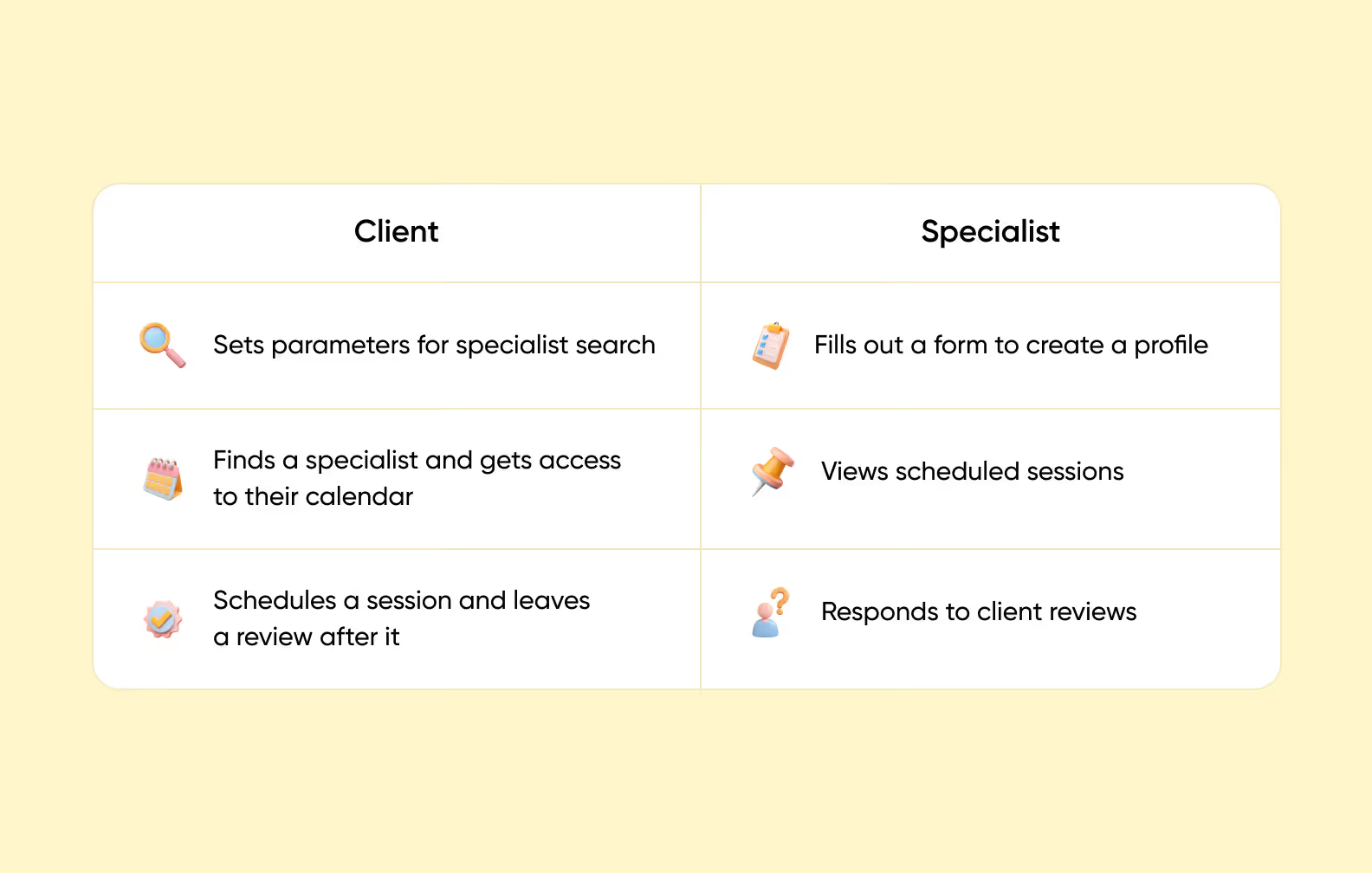
Most healthcare products are at least two-sided: for doctors and patients. This means you have to consider two separate user flows, sets of features and functional elements.
⭐️ Our experience
For example, for our client, GSR, we created a platform for booking a therapy session online. We created two sides of the interface: for psychologists and for patients, with different features and flows.
If your medtech product includes diagnostics or recommendations, it needs validation. This means testing with real patient data, working with medical professionals, and sometimes even running clinical studies to make sure you provide accurate information.
You have to consider existing software that hospitals use. In most cases, it means outdated architecture and a very poor UI from the 2000s. For smooth integration, your must-have is an IT partner with expertise in complex legacy infrastructure.
Revenue is crucial for healthcare companies to continue developing their product and protecting patient privacy. Without this money, growth is impossible. There are 2 key monetization models that most medical businesses use, we’re sharing them below👇🏻
This business model allows startups to get regular revenue by charging users recurring fees for using the software. Usually, users pay monthly or annually. It’s ideal for businesses that serve patients directly and have a warm, loyal audience.
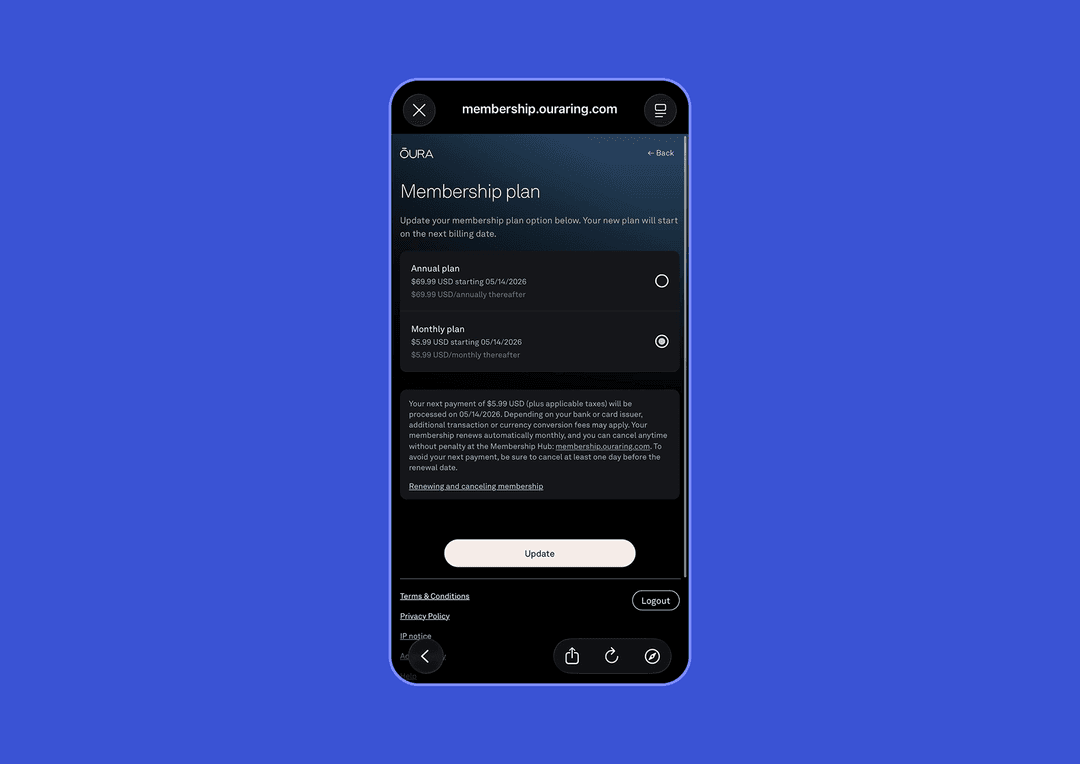
If you provide services to clinics and hospitals directly, software licensing is a popular business model. In this case, companies give away rights to use software for a fee. In the traditional software licensing model, licensed healthcare providers pay one-time upfront fees for perpetual ownership, and the software is installed on-premises.
Another option is SaaS (Software-as-a-Service), where users pay for recurring subscriptions and access the software through the cloud.
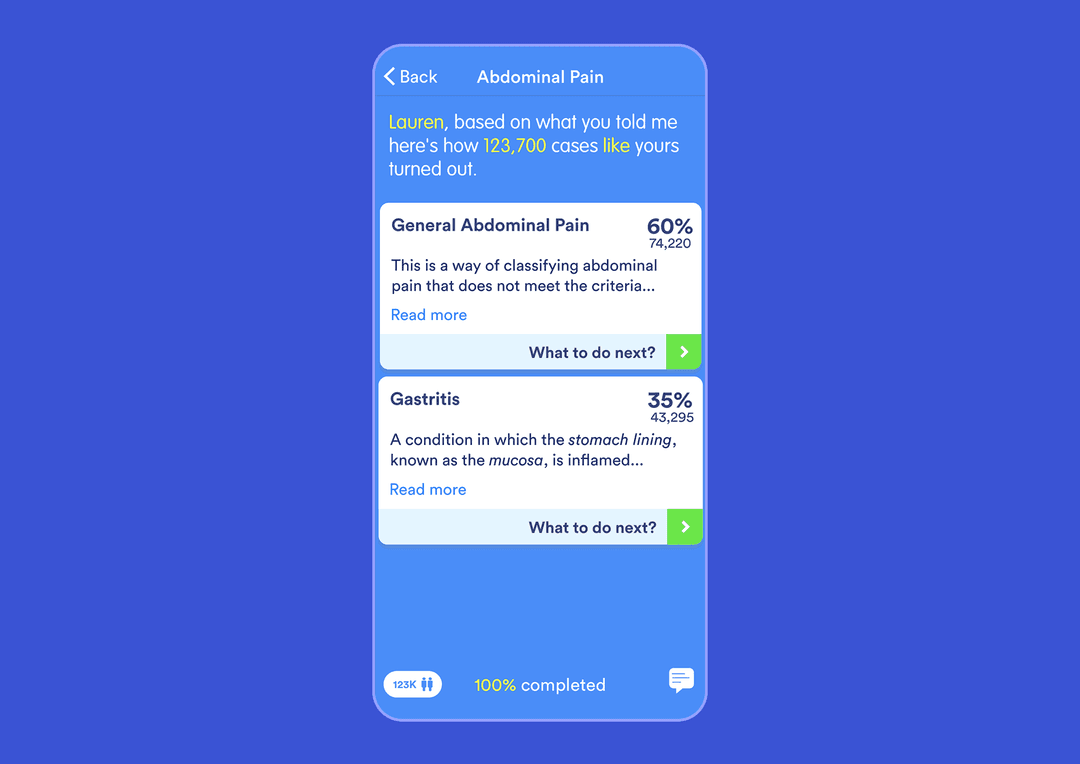
In case you need extra healthcare business startup ideas, we put together 4 examples of successful apps that offer digital medical services to patients, from an AI-powered symptom checker to same-day prescription delivery.
📝Key features: AI-powered chat, symptom analytics, video calls with doctors
👥Audience: 3+ million users
This HIPAA-compliant AI-powered symptom checker provides primary care and mental health services remotely. The main feature of K Health is a 24/7 chat where users can check their symptoms via an AI assistant and get offered virtual consultations with a relevant specialist.
Before 2026, K Health was a direct-to-consumer app, and users could just download it from the App Store or Google Play. But this year, they started transitioning to a partnership-based model and offering services through major hospital systems, including Cedars-Sinai and Mayo Clinic.
📝Key features: prescription meds delivery, expert text/chat, notifications
👥Audience: > 1 million users
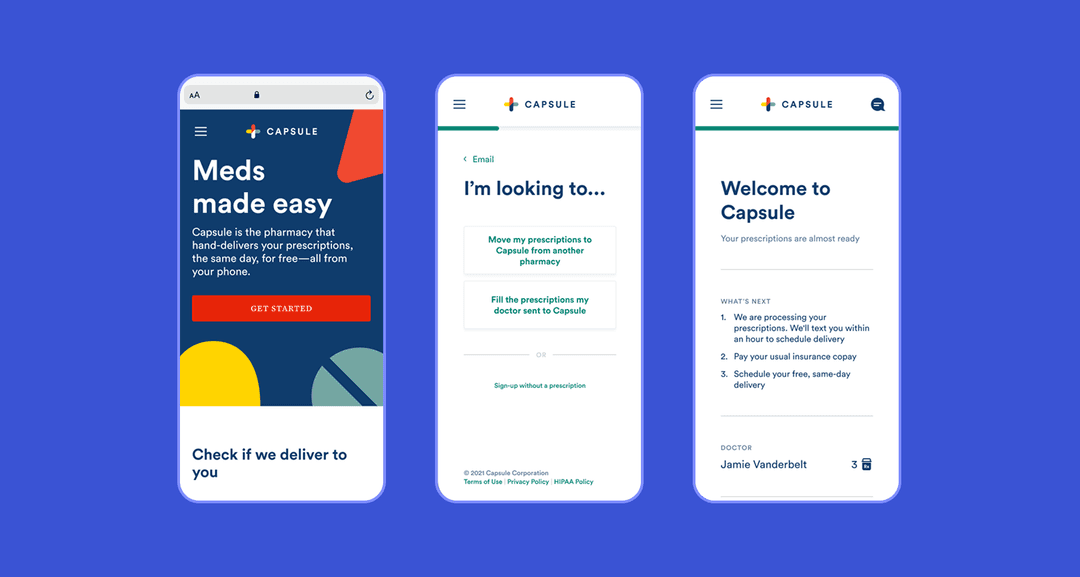
The app helps users manage, track, and refill prescription medication with free same-day delivery. On the platform, patients can also chat with licensed pharmacists and ask for advice before placing the order. Capsule Pharmacy is available in major U.S. cities like New York, Boston, and Chicago.
📝Key features: exercise playlists, personalized recommendations, chat with doctors
👥Audience: 780,000+ users
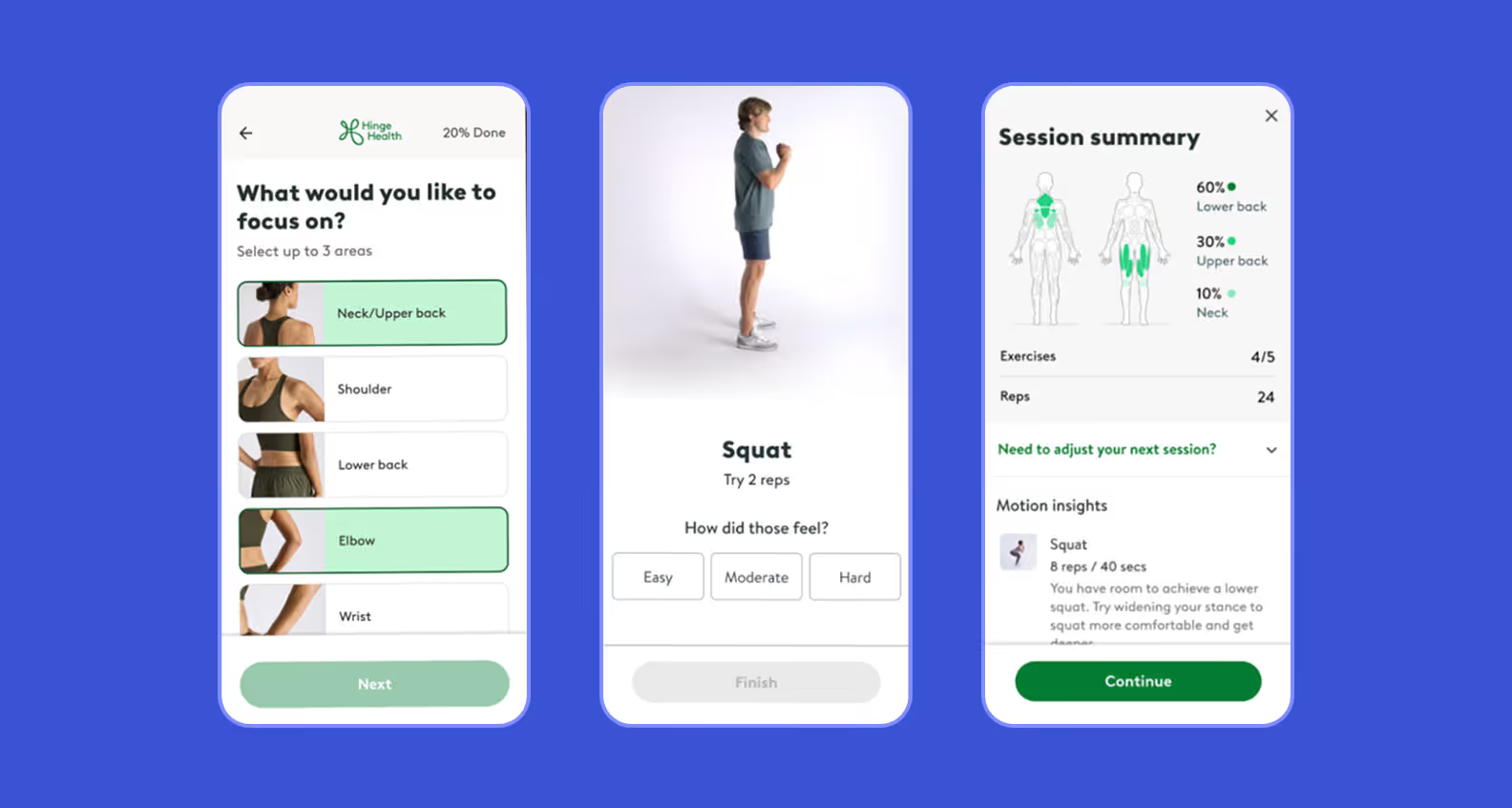
Hinge Health is a platform for virtual physical therapy that targets users with muscle and joint pain. It works as a catalog of digital exercises that patients can repeat from the comfort of their own home. Also, Hinge Health offers 1-on-1 support from physical therapists and integration with their own wearable device, Enso, for chronic pain relief.
⭐️ Our experience
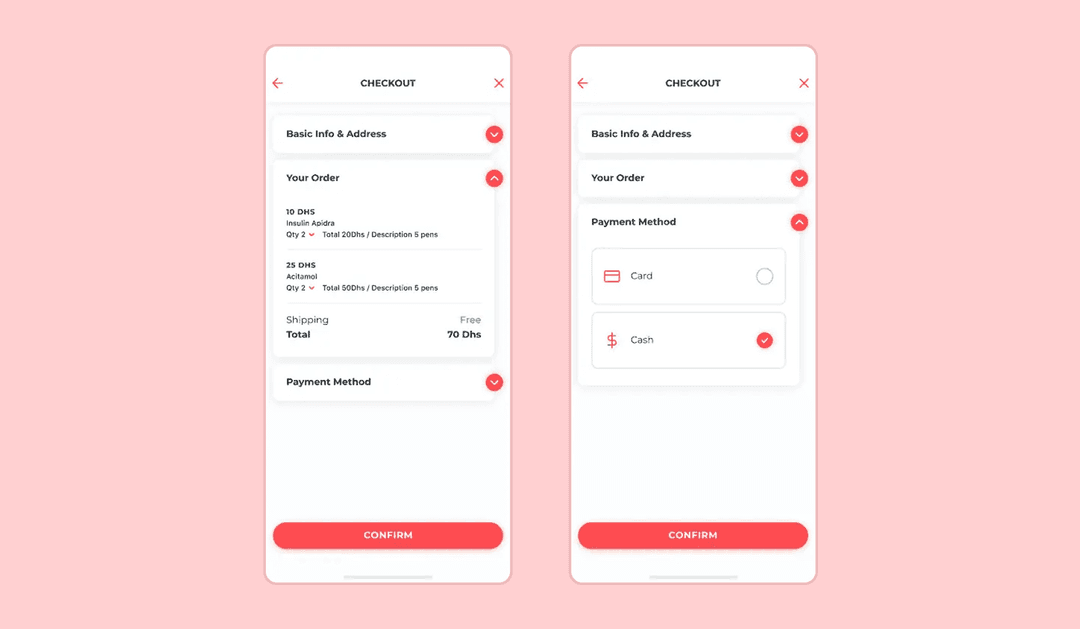
Saidali, a Dubai-based app, helps to find what meds are available in pharmacies nearby and order the delivery. For this project, our team worked on UI/UX design, planned user flow, and implemented the smart search feature with the map implementation.
So, looking for a development partner to execute your healthcare business idea? Purrweb’s team has completed over 550+ projects, including cases in the healthcare and medical industry. You can check our full portfolio here.
Share your idea with our team to get a free consultation and cost estimation in 48 hours
Start with a clear plan: define your niche, validate demand, and check legal requirements. Then build an MVP, test it with real users, and iterate based on feedback.
Among business ideas that bring the most revenue are telehealth platforms, medical businesses, and wellness tools that have integration with wearable devices like the Apple Watch and the Oura ring.
For business ideas in healthcare industry to be compliant, they need to think about data security and privacy from the start, building software architecture that can withstand scaling and scope changes.
Any AI-powered technology will help bring your business ideas to the next level: automate communication with patients, speed up diagnostics, and make the clinical operations more efficient.
Outsourcing helps you launch your business ideas faster with an experienced team that understands the niche and knows how to avoid common mistakes. With 550+ projects, Purrweb can handle design, development, and release while you focus on securing investments and building a marketing strategy.


.svg)