Explore

Need help with your project?

Oops! Something went wrong while submitting the form.
Payment behavior has shifted. Users expect mobile payments, instant transfers, and a single app for managing finances. This creates a clear market opportunity for startups.
This guide covers the practical side of a successful digital wallet app: types of wallets, core features, development process, security requirements, common pitfalls, revenue models, and budget considerations.
A digital wallet app stores payment information, loyalty cards, and transaction data on a user's smartphone. Unlike a basic account that only displays a balance, a digital wallet processes payments, supports multiple payment methods, and integrates with banking systems or payment networks.
The digital payments industry is growing, partly driven by digital assets. For example, stablecoin transactions reached $10 billion in August 2025, following the establishment of a federal framework for stablecoins in the United States. This regulatory clarity supports faster, automated, and lower-risk cross-border payments, making this a good time for startups to enter the market. It is worth noting that a digital wallet storing fiat balances and cards is a different build from a crypto wallet, which manages private keys and on-chain assets instead.
At Purrweb, we've seen digital wallet apps help businesses build direct customer relationships and open new revenue streams. Startups should build digital wallets now to capitalize on these trends:
Digital wallets come in several types, each designed for different user needs and business goals. Choosing the right type depends on your target market, regulatory environment, and the features you want to offer.
A closed wallet is issued by a company to its customers for use only within its own ecosystem. Users can store funds and make payments exclusively for that company's goods or services. This type limits transactions to one merchant or platform, making it simpler to manage but less flexible.
Semi-closed wallets allow users to make payments at multiple merchants that have agreements with the wallet provider. However, users cannot withdraw cash or transfer funds outside the network. This type balances control and usability and is often used in specific industries or regions.
Open-loop wallets are connected to payment networks like Visa or Mastercard. Users can make payments anywhere these networks are accepted, including online and physical stores. These wallets offer the most flexibility but require compliance with stricter regulations and partnerships with banks or payment processors.
Hybrid wallets combine features of semi-closed and open-loop wallets. They support payments within a closed network and also allow transactions through external payment networks. This type suits startups that want broader usability while keeping some control over the ecosystem.
Additionally, crypto wallets are an emerging option. These wallets store digital currencies and enable blockchain-based transactions. They can be integrated with traditional wallets or offered separately.
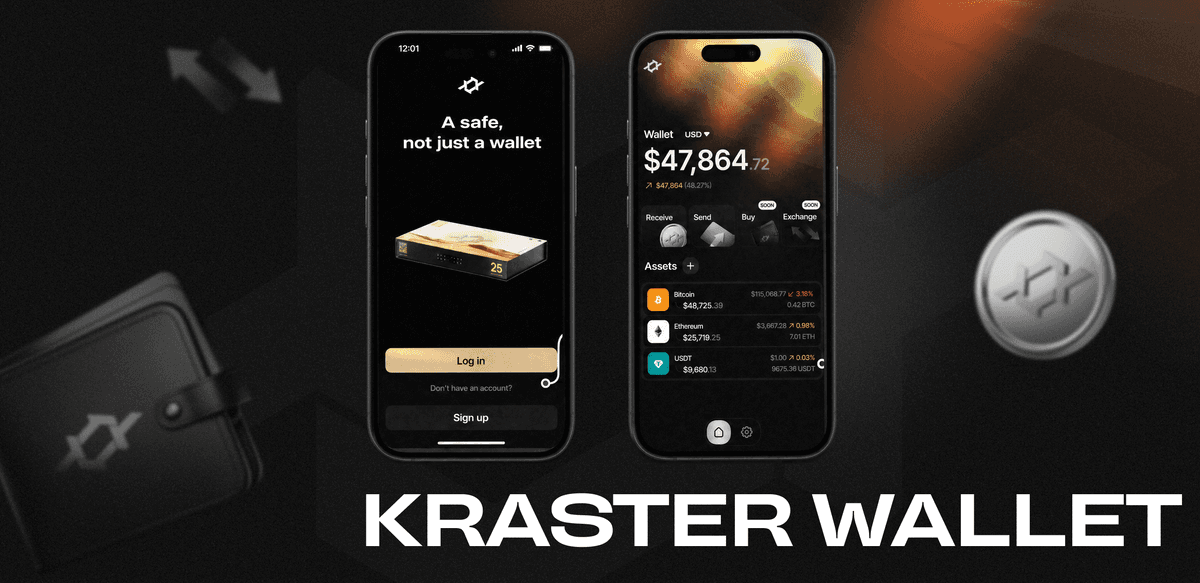
Broex is a multi-currency crypto wallet designed to simplify cryptocurrency for newcomers. We focused on the essentials: multi-currency support, straightforward buying and exchanging, and biometric security. The interface borrows from traditional banking apps because that's what people already understand.
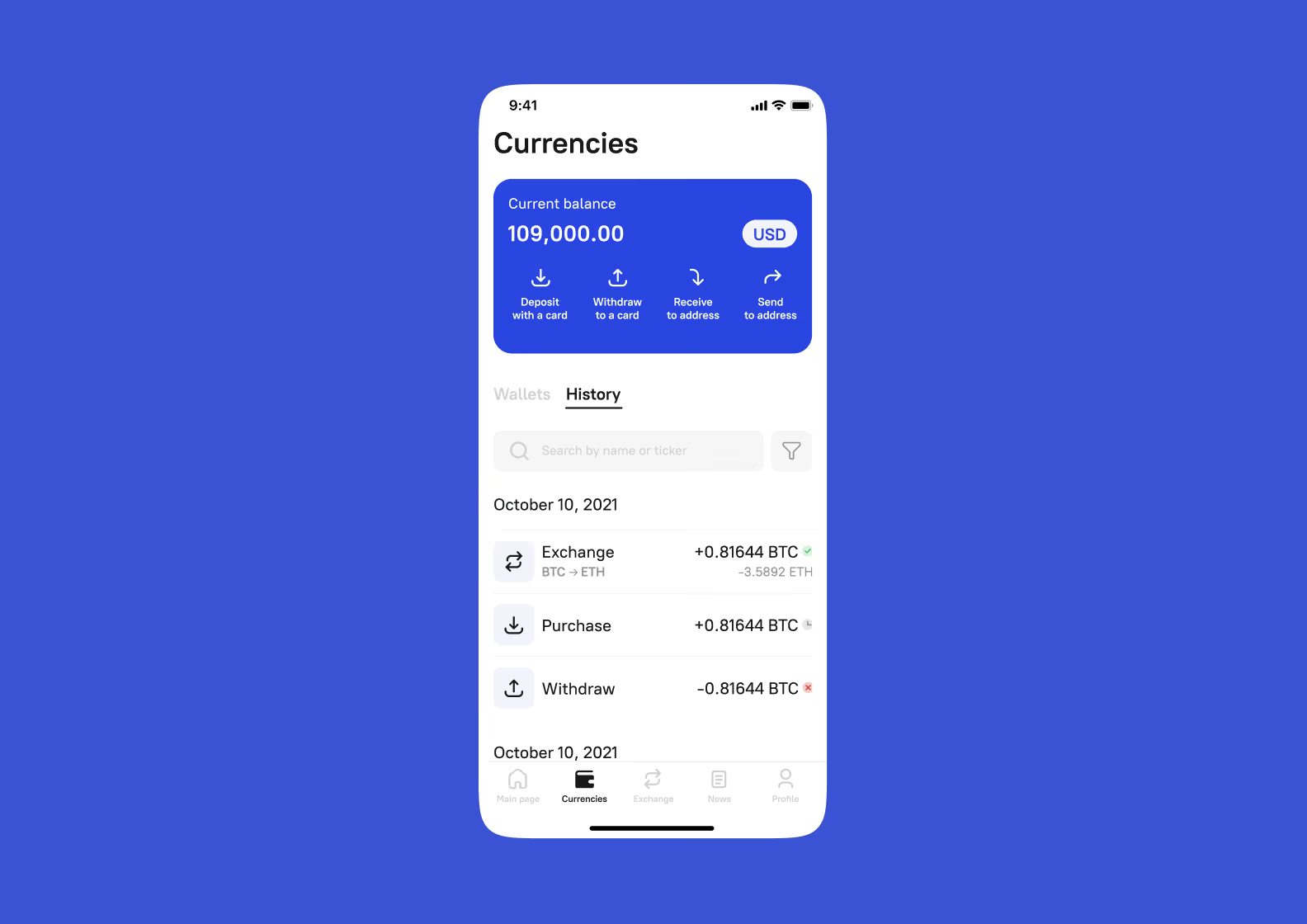
When building a digital wallet, the goal isn't to ship every possible feature from day one. Instead, focus on a small set of core capabilities that make the product usable and trustworthy, and treat everything else as an upgrade once the MVP proves demand and starts generating revenue.
Below is a practical way to think about feature prioritization:
| Core MVP features (must-have candidates) | Value-add features (nice-to-have later) |
| User registration & basic KYC. Secure login (2FA). Balance checking. Peer-to-peer transfers. Transaction history. Basic security (encryption, secure storage). Payment confirmation receipts. Fraud detection and monitoring. Customer support access. | Biometric authentication. Multi-device synchronization. Multi-currency support. Scheduled payments. Spending analytics and insights. Budget tracking tools. Loyalty programs. Personalized offers. In-app referral program. Split bill functionality. Savings goals tracking. Virtual card generation. Integration with third-party financial services. QR code payments. Contactless payments. |
The exact MVP scope will vary depending on your market and compliance requirements, but the key idea is consistent: start with features that enable core transactions and user trust, and layer on convenience, insights, and growth mechanics later.
Let's focus on the must-have features:
User registration is the entry point to the wallet. It should be simple, fast, and secure, allowing users to sign up using email or phone numbers.
A streamlined process reduces friction and improves conversion. Secure login with two-factor authentication (2FA) adds a critical security layer by requiring users to verify their identity through a secondary method, typically an SMS code or an authenticator app.
Additionally, account recovery options must be reliable and easy to use. Users should be able to regain access through verified email links, security questions, or backup codes if they forget their passwords or lose their devices.
Biometric authentication can be introduced later as a convenience upgrade.
The core purpose of a digital wallet is to handle transactions. Peer-to-peer payment apps allow users to send money instantly to friends, family, or businesses, making the wallet a daily-use tool.
A well-organized transaction history is essential, providing users with a clear, chronological record of all payments, transfers, and receipts.
Real-time balance checking keeps users informed about their available funds, helping them manage balances and avoid overdrafts.
Features like bill payments or recurring transactions can be added once core flows are validated.
At the MVP stage, it's more important to ensure reliable and secure payment processing than to support every possible method.
Payment confirmation receipts provide immediate proof of transaction, including details such as amount, date, and merchant. These receipts should be saved within the app so users can access them anytime for reference or dispute resolution.
QR code payments, NFC/contactless, and other methods can be layered in later based on user demand and market needs.
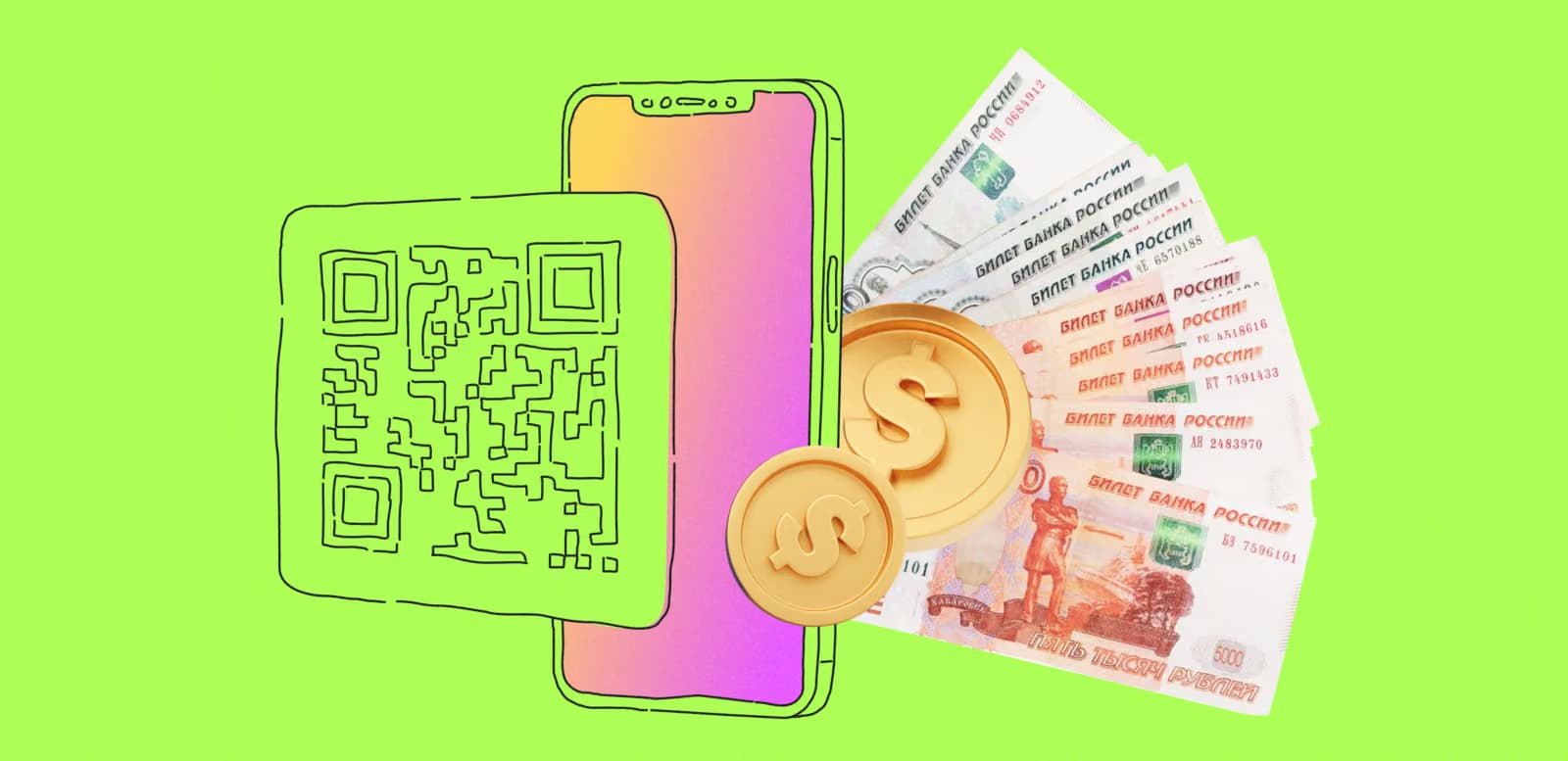
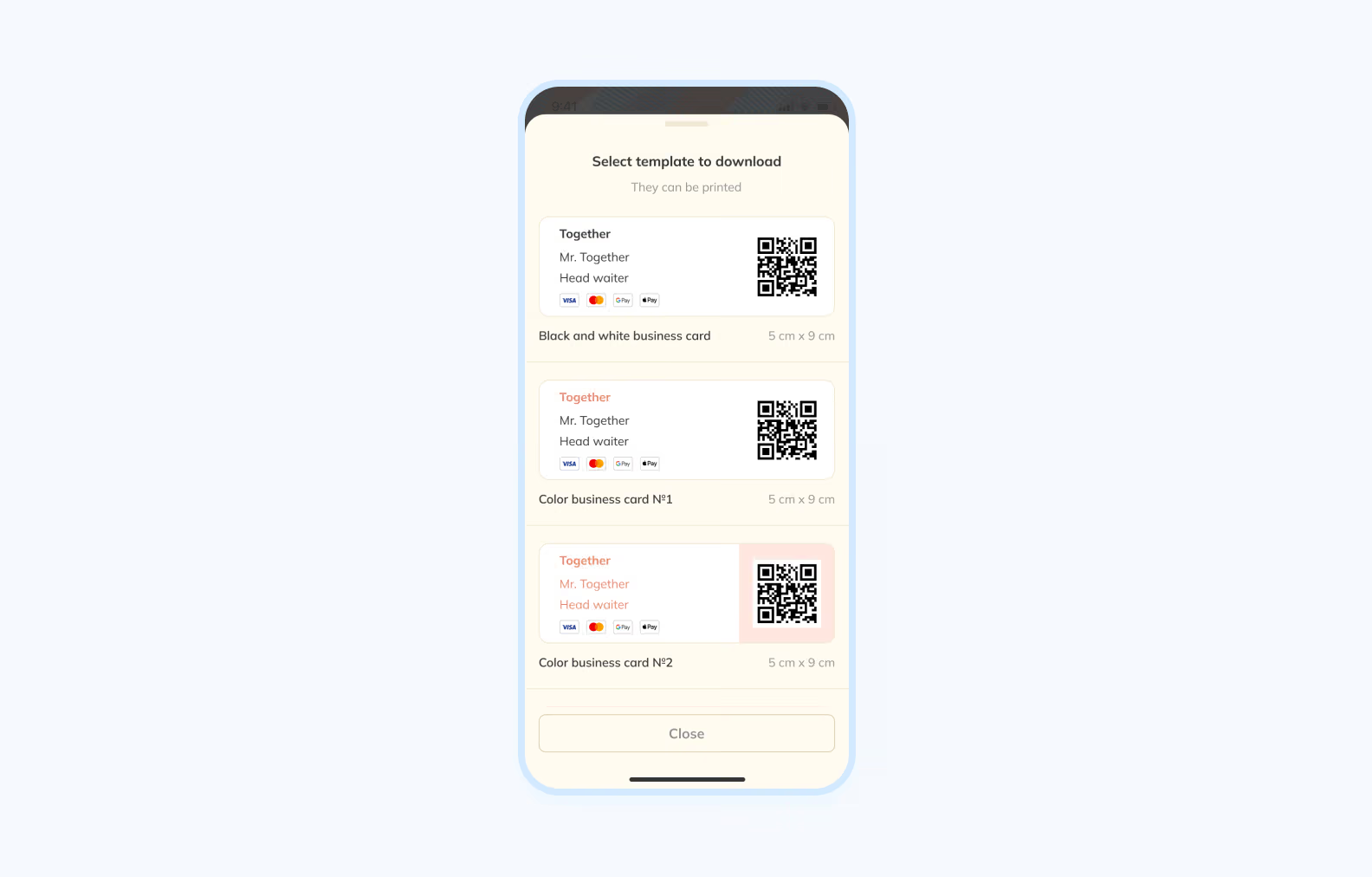
QR code payments are widely used for their simplicity and speed — users scan a merchant's QR code or display their own to complete transactions quickly and securely. In a tipping app designed for freelancers and service workers, users can generate up to three QR codes to organize income from different work sources. The payment process is simple: users display their QR code on the phone screen, and customers scan it to send tips or payments instantly. The app includes practical features like printable QR code business cards with payment details, money transfers between users via nickname, and fund withdrawals to external accounts.
Encryption must protect all transactions and sensitive data, preventing unauthorized access. Fraud detection and monitoring systems analyze transaction patterns to detect and block suspicious activity in real time.
Secure data storage is necessary to comply with industry standards like PCI DSS, ensuring user information is protected against breaches. Regular security audits and updates are required to maintain compliance and address new vulnerabilities.
Beyond core features, basic functionality improves the overall user experience. Push notifications keep users informed about important events such as successful payments, incoming transfers, or security alerts. Timely notifications increase engagement and help users stay on top of their finances.
Easy access to customer support helps resolve issues quickly and maintain user satisfaction.
Advanced features like multi-device synchronization can be introduced later as the product matures.
Developing a digital wallet app is a complex process that requires careful planning, technical expertise, and strict adherence to security and regulatory standards. Based on our experience working with fintech startups, here's the development process split into clear, actionable steps.
Market research is the foundation of a successful wallet app. It involves understanding the market landscape, identifying target users, analyzing competitors, and clarifying regulatory requirements. This defines the value proposition and validates which features users actually need. Regulatory research is also critical, especially in the USA, where financial compliance is strict.
Product discovery is especially important in wallet development, as it helps define what financial problem the product solves — whether it's simple P2P transfers, expense management, or an alternative to traditional banking.
During this phase, teams validate assumptions through user interviews, surveys, and competitor analysis, and then translate insights into clear product requirements and feature priorities.
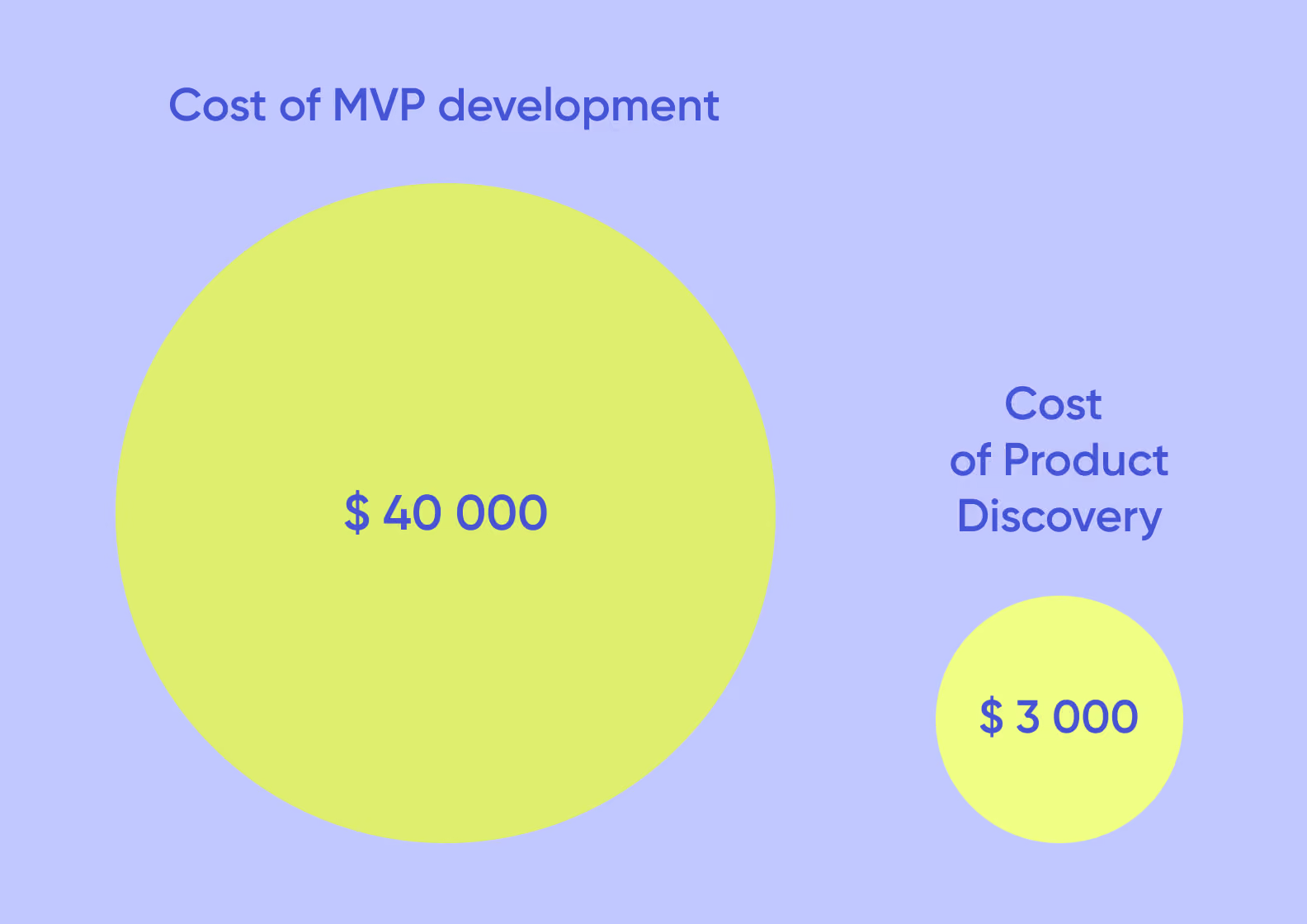
Product discovery is vital in any type of app — from fintech to social media. A client approached us with an idea to combine AI and dating apps. He assumed users struggled with profile optimization, first messages, and conversation flow. Instead of immediately developing the product for nearly $40,000, he invested $3,000 in Product Discovery to test these assumptions. Our research revealed users were confident in their dating app skills and didn't see low match rates as problems requiring solutions. The discovery process saved the client $37,000 by preventing development of an unwanted product.
Tip: Use discovery workshops to align stakeholders and define core transaction flows early (e.g., sign-up → verification → transfer → confirmation). Apply prioritization frameworks like MoSCoW to avoid overloading the MVP with non-essential financial features.

Choosing the right architecture and technology stack affects the wallet's scalability, security, and maintainability. We recommend a modular architecture that separates frontend, backend, and payment processing layers. In wallet apps, it's especially important to isolate payment and transaction services to ensure stability and fault tolerance.
For the technology stack, choose technologies with strong security support and active ecosystems. Common backend choices include Node.js, Python, or Java, while frontend frameworks like React or Vue.js offer flexibility and performance.
Tip: Ensure the chosen stack supports compliance with PCI DSS and other relevant standards. Opt for cloud platforms that provide built-in security features and scalability, such as AWS or Azure.
User experience is critical for wallet apps, where trust and clarity directly affect whether users are willing to store money in the app.
The design should prioritize simplicity, clear navigation, and accessibility. Prototyping allows teams to test workflows and visual elements before coding begins. Here's a vibrant interface we created for a cryptocurrency wallet app, where the visual language was tuned for playful but trustworthy money handling.
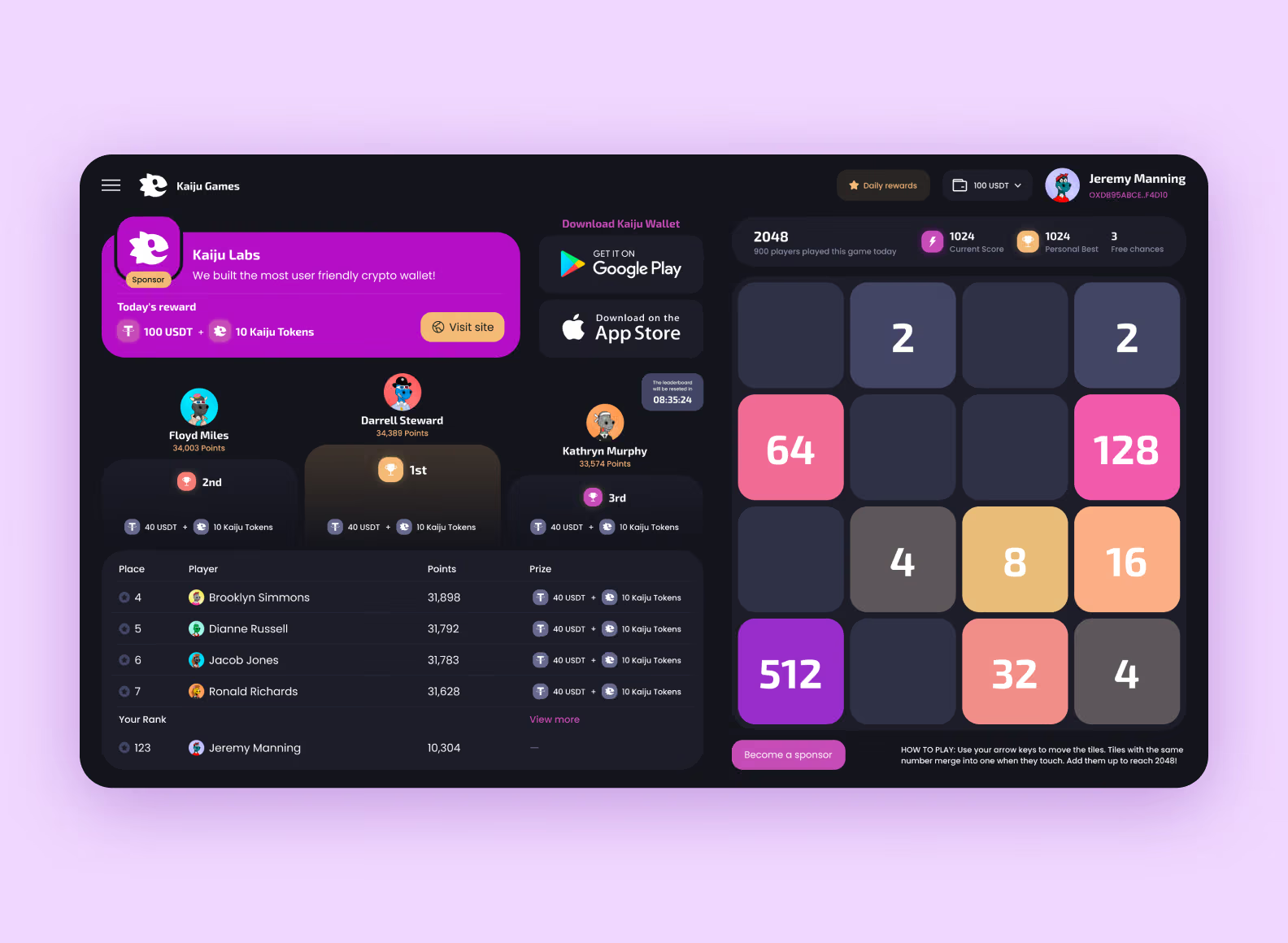
Interactive prototypes help gather early feedback from potential users, revealing usability issues and design flaws. This iterative process helps avoid costly redesigns later.
Tip: Focus usability testing on high-risk flows — registration, authentication, sending money, and confirming transactions.
The backend manages user data, authentication, transaction processing, and communication with external services. Secure API integration with payment gateways, banks, and fraud systems is essential.
Implementing role-based access control (RBAC) restricts sensitive operations to authorized users, enhancing security. API gateways help manage traffic, monitor usage, and provide an additional security layer.
Our client wanted a crypto wallet without a backend to protect user anonymity. We built the entire app using free third-party APIs instead of paid services or custom backend development. The challenge was that free APIs have request limits. We solved this by selecting different APIs for different functions. The app automatically switches between APIs when one reaches its limit. This approach saved the client significant development costs while maintaining full functionality and user privacy.
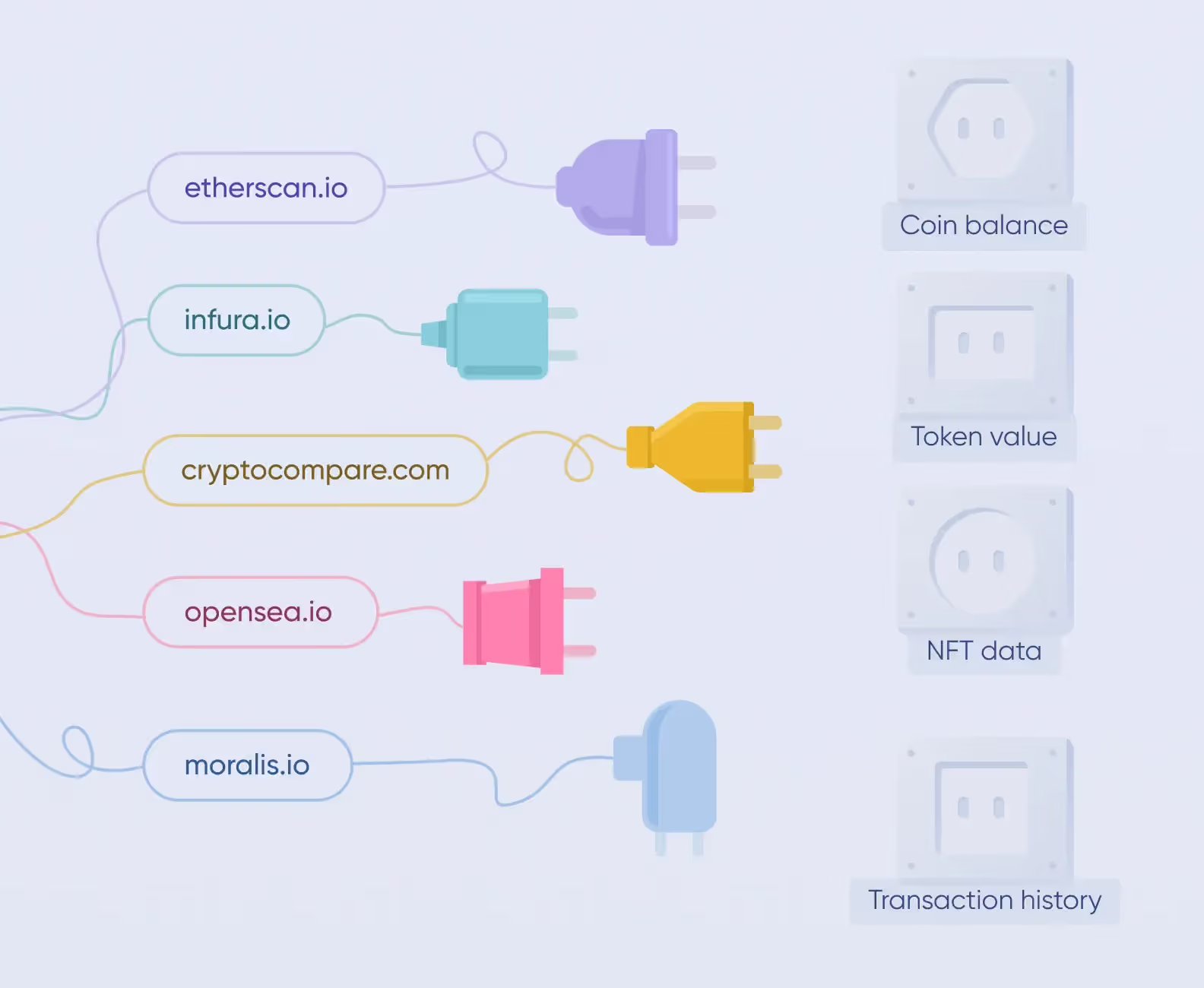
Tip: Use microservices architecture to isolate critical components like payment processing. This approach improves fault tolerance and simplifies scaling.
This stage combines backend and frontend development with payment integrations — the core of any wallet app.
The backend handles user data, authentication, and transaction processing while integrating with external services such as payment gateways, banks, and fraud detection systems. Implementing role-based access control (RBAC) and secure APIs is essential.
On the frontend, the app must be fast, responsive, and secure. Clear transaction states and real-time updates are especially important for financial trust.
Payment gateway integration requires special attention: encryption, tokenization, and secure data handling must be implemented correctly to protect sensitive financial data.
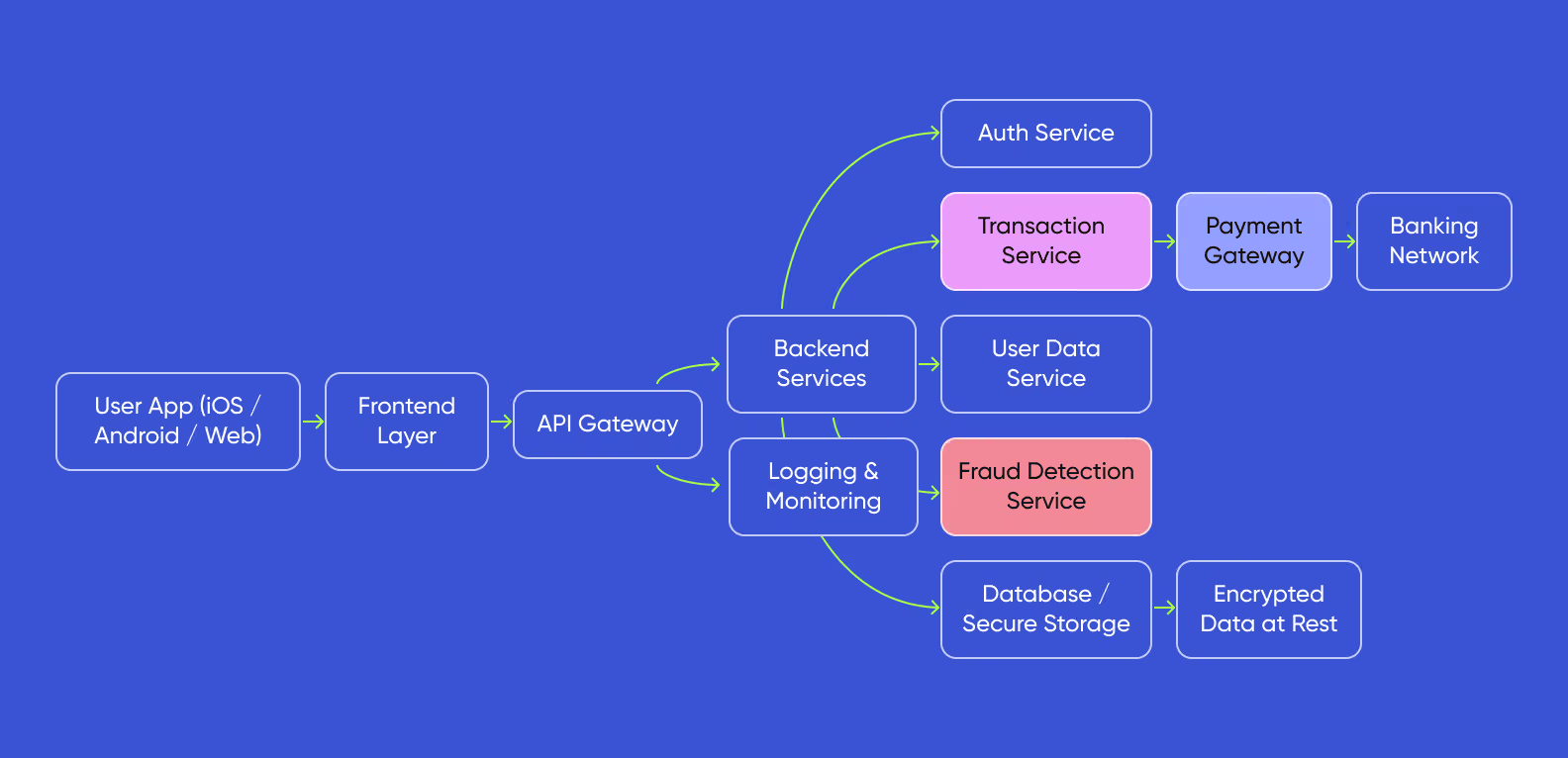
Tip: Isolate payment logic using microservices and thoroughly test all transaction scenarios (success, failure, retries) in sandbox environments before release.
Testing a wallet app goes beyond functionality — security and compliance are just as critical as usability.
Functional testing verifies features work as intended. Security testing, including penetration testing, identifies vulnerabilities.
At the same time, the product must comply with standards such as PCI DSS, KYC/AML regulations, and data protection laws (e.g., GDPR).
Security audits — both internal and external — help validate encryption methods, access controls, and fraud detection mechanisms.
Tip: Combine QA and compliance early — don't treat compliance as a final step. In fintech, fixing regulatory issues late is costly and risky.
Deployment for a wallet app requires infrastructure that ensures high availability, reliability, and real-time monitoring of transactions.
Cloud platforms with auto-scaling capabilities, such as AWS, Google Cloud, or Azure, are preferred for their flexibility and resilience. Monitoring tools should track not only performance but also transaction success rates, failures, and suspicious activity.
A phased rollout or beta launch is especially important in fintech, allowing teams to test real transaction flows with a limited audience before scaling.
Post-launch, continuous monitoring, security updates, and performance optimization are essential. Regular audits and incident response planning help maintain trust and compliance.
Tip: Use feature flags to safely roll out financial features and maintain an incident response plan for handling payment failures or security issues.
Developing a digital wallet app requires addressing several complex security and compliance challenges.
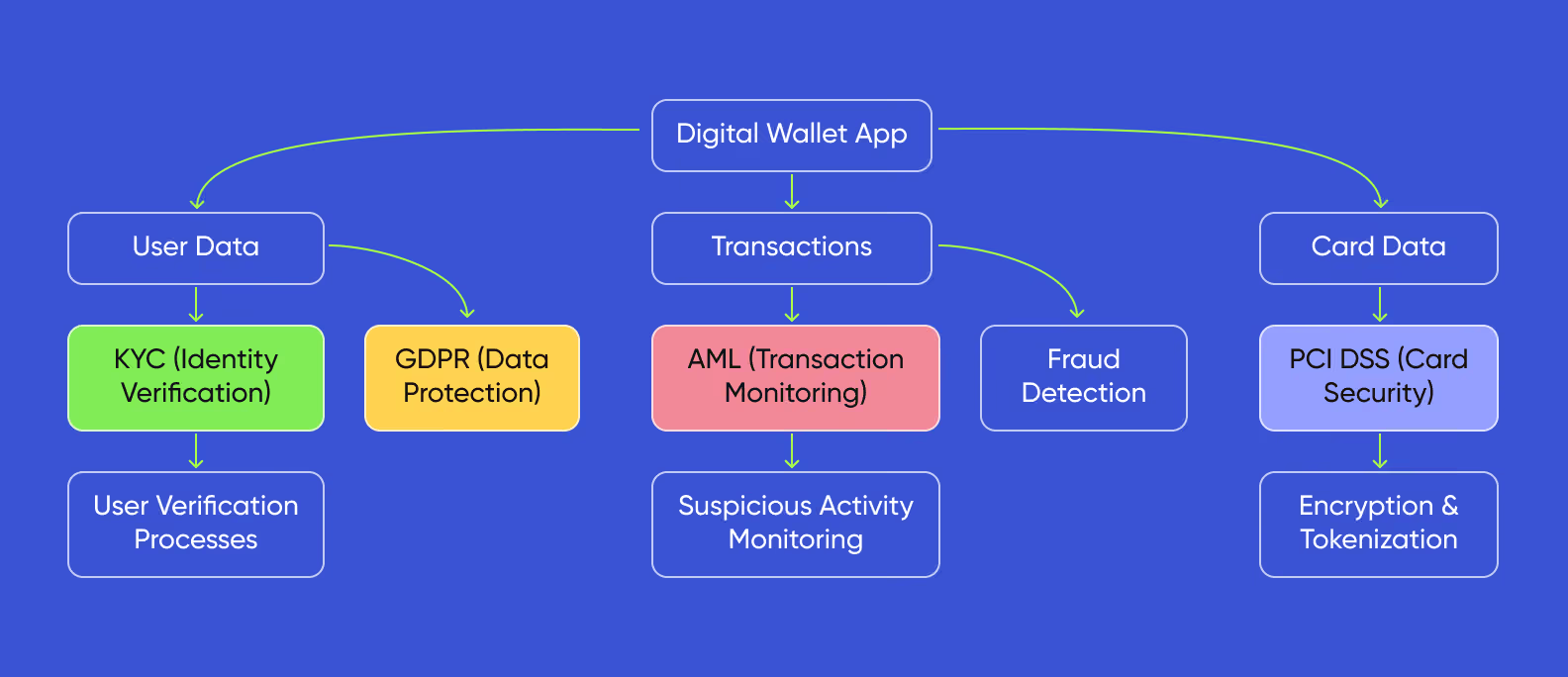
PCI DSS (Payment Card Industry Data Security Standard) mandates strict controls for handling payment card information. Mobile wallet apps must encrypt cardholder data, restrict access to authorized personnel, and maintain secure networks.
Compliance involves regular vulnerability scans, maintaining firewalls, and logging access to sensitive systems. Failure to comply can lead to data breaches, heavy fines, and loss of user trust.
AML and KYC regulations require wallet providers to verify user identities and monitor transactions for suspicious activity. Implementing automated identity verification tools — such as document scanning and biometric checks — helps meet KYC requirements efficiently.
Transaction monitoring systems must flag unusual patterns like large transfers or rapid fund movements. These processes reduce risks of fraud and illegal financial activities.
Biometric authentication strengthens security by verifying users through fingerprints, facial recognition, or voice. However, biometric data is highly sensitive and subject to privacy laws.
Wallet apps must encrypt biometric data both in transit and at rest, store it securely, and limit access. Developers should use secure hardware modules or trusted execution environments to process biometric information safely.
Fraud detection requires real-time analysis of transaction data to identify anomalies. Machine learning models can detect patterns such as unusual transaction amounts, locations, or frequencies.
Alerts generated by these systems enable rapid response, including transaction blocking or user verification. Continuous tuning of detection algorithms is necessary to minimize false positives and adapt to evolving fraud tactics.
Strong encryption protects user data against interception and unauthorized access. Wallet apps must use TLS (Transport Layer Security) for data in transit and AES (Advanced Encryption Standard) with at least 256-bit keys for data at rest.
Key management practices, such as rotating encryption keys and limiting access, are essential to maintain data confidentiality.
Security audits assess the app's defenses against known vulnerabilities and compliance gaps. Penetration testing simulates attacks to uncover weaknesses in APIs, databases, and third-party integrations.
Both should be performed regularly and after major updates. Findings must be addressed promptly to reduce exposure to cyber threats.
Digital wallet providers must obtain licenses to operate as money transmitters in applicable states and comply with federal regulations. This includes maintaining detailed transaction records, submitting reports to authorities, and adhering to consumer protection laws.
Compliance varies by jurisdiction, requiring ongoing legal review and updates to operational policies.
Monetizing a digital wallet app requires choosing revenue streams that align with user behavior and regulations. In the USA, successful wallet providers often combine several monetization methods to create a balanced and sustainable business model.
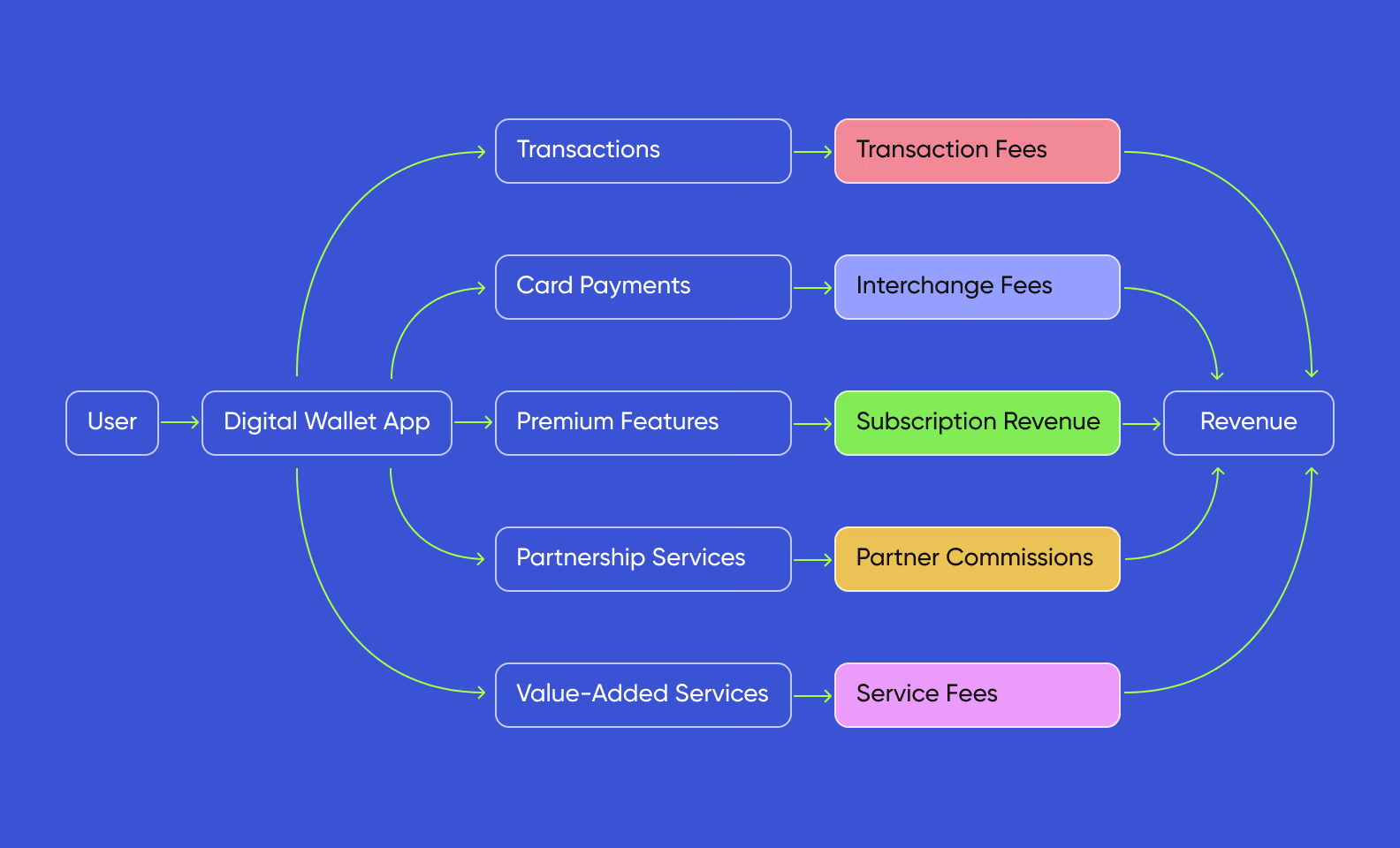
Charging transaction fees is a direct way to generate revenue. Wallet apps typically apply fees on specific transactions, such as instant transfers, cross-border payments, or payments to merchants.
These fees are usually small enough not to discourage users but sufficient to create a steady income stream. Transparency about fees is crucial to maintain user trust.
Example: Venmo charges a 1% fee for instant transfers to bank accounts, while standard transfers are free.
Interchange fees are paid by merchants when users make payments with linked debit or credit cards. Wallet providers receive a percentage of each transaction processed through their platform. This model scales with transaction volume and encourages wallet adoption by offering a seamless payment experience.
Example: Apple Pay earns interchange fees from card issuers and payment networks for transactions made through its system.
Loyalty programs integrated into digital wallets incentivize users to make repeat purchases. These programs offer rewards such as points, cashback, or discounts, which increase user engagement and spending. By partnering with merchants, wallet providers can share in the increased sales generated by loyalty incentives.
Example: Starbucks' app combines payment with a rewards system, offering points and exclusive offers that drive customer retention.
Offering premium features through subscriptions or one-time purchases provides an additional revenue stream. These features can include enhanced security options, higher transaction limits, personalized financial insights, or priority customer support. Premium tiers must offer clear, tangible benefits to encourage users to upgrade.
Example: Some wallets offer premium accounts with advanced fraud protection and faster transaction processing.
Strategic partnerships expand the wallet's ecosystem and revenue potential. Collaborations with banks, retailers, or investment platforms allow wallet providers to offer additional services, such as co-branded cards, investment options, or exclusive merchant discounts. These partnerships create new income streams and enhance user value.
Example: Cash App partners with investment platforms to enable stock and Bitcoin trading within the app.
Value-added services increase convenience and attract users by bundling financial tools into the wallet. These services include bill payment facilitation, currency exchange, budgeting tools, insurance products, and credit offerings. They generate fees and deepen user engagement by making the wallet a central financial hub.
Example: PayPal integrates merchant services and credit products, expanding its revenue beyond simple payments.
The e-wallet app development cost depends on its complexity, features, and development approach.
For a minimum viable product (MVP), budgets typically start around $100,000 to $150,000. A full-featured version with advanced security, compliance, and integrations can cost $300,000 or more.
Several factors influence the overall cost:
Outsourcing development to an experienced company often proves more cost-effective than building an in-house team. Outsourcing reduces hiring and training costs, accelerates time to market, and provides access to specialized expertise in fintech and compliance.
| Aspect | Outsourcing | In-house development |
| Initial cost | Moderate to high, but predictable | High due to recruitment and setup |
| Access to fintech expertise | Immediate access to specialists | Requires time to build expertise |
| Speed of development | Faster due to established processes | Slower, especially early on |
| Flexibility | High, with scalable teams | Limited by team size and skills |
| Long-term maintenance | Often included or available as a service | Requires dedicated internal resources |
Choosing the right approach depends on your budget, timeline, and strategic goals. For most startups, partnering with an experienced development company offers the best balance of cost, quality, and speed.
Building a digital wallet app requires more than just coding. It demands understanding regulatory rules, focusing on what users really need, and preparing for growth.
➡️ At Purrweb, we have helped dozens of startups launch secure and profitable wallet apps through fintech app development, mobile development, design for financial services, and business analysis. If you want to speed up development and avoid common mistakes, reach out using the form — and get a free project estimation in 48 hours.


.svg)