Explore

Need help with your project?

Oops! Something went wrong while submitting the form.
Every business values certainty. When you know what the next day will bring, it becomes a lot easier to manage a company. But how can businesses find peace of mind in today's digital chaos? The answer lies in blockchain technology.
What if every transaction was transparent to all parties involved, and each part of a supply chain was completely traceable? That’s now possible thanks to enterprise blockchain solutions. They allow businesses to optimize their workflows and maximize revenue. But how do you create an enterprise blockchain platform and profit from it? Let’s figure it out!

In short: Enterprise blockchain is a permissioned distributed ledger built for businesses, where only authorized participants can validate transactions. Unlike public blockchains (Bitcoin, Ethereum), enterprise networks come in private, consortium, and hybrid types, use lightweight consensus mechanisms for speed, and prioritize privacy, scalability, and regulatory compliance. Common platforms include Hyperledger Fabric, R3 Corda, and Quorum. Businesses use it for supply chain traceability, payments, and secure data sharing.
In a nutshell, these are decentralized platforms that help companies streamline their business operations through crypto payments and other tools. They are based on private blockchain networks that are only accessible to select users, unlike public blockchains which are open to everyone.
All blockchain networks are decentralized, meaning they can’t be controlled by a single entity, such as a corporation or a government agency. This benefits both individual users and companies, as it lets them avoid dealing with intermediaries. It also allows them to protect their data better, especially since blockchain networks are notoriously tough to hack.
When it comes to the blockchain technology market in 2026, things are still looking promising. Experts predict that by 2032, the global blockchain sector will grow to nearly $1 trillion. The cryptocurrency market, which is strongly tied to blockchain, is also thriving. By 2028, the number of crypto users is expected to reach almost 1 billion.
Here’s how enterprise blockchain stacks up against the public networks most people picture first:
| Parameter | Public blockchain | Enterprise (private/permissioned) |
| Access | Open, permissionless | Restricted, permissioned |
| Participants | Anonymous, unlimited | Known, authorized users |
| Consensus | PoW / PoS (heavy) | Lightweight (PBFT, Raft) |
| Speed | Low (7–30 TPS) | High (1,000+ TPS) |
| Privacy | Fully transparent | Configurable / confidential |
| Examples | Bitcoin, Ethereum | Hyperledger Fabric, R3 Corda, Quorum |
Enterprise blockchain isn’t one architecture. Depending on who controls the network and who’s allowed to join, it splits into four types of blockchain networks — public, private, consortium, and hybrid. These types of enterprise blockchains differ mainly in who can join and who validates each transaction. Choosing the right one early shapes governance, privacy, and cost, so it’s usually the first decision teams scope before committing to blockchain development services.
A private blockchain is run by a single organization that controls who joins and what each participant can do. Access is permissioned, so only vetted members validate transactions — a fit for internal records, HR data, or any process where one company owns the data end to end. If you’re weighing this route, our guide to private blockchain development walks through the setup. Examples of private blockchain range from internal audit trails to enterprise record-keeping.
A consortium blockchain is governed by a group of organizations rather than one. Members are pre-selected and decision-making is shared, which is why banking groups and supply chain alliances favor consortium blockchains. The model shows up often in fintech custom software development, where several institutions need one auditable ledger without handing control to a single player.
A hybrid blockchain mixes public and private layers: sensitive data stays on a permissioned network, while selected records are anchored to a public chain for transparency. Hybrid blockchain networks suit regulated industries that must keep information confidential yet still prove integrity to outside auditors.
At the opposite pole sit public, permissionless networks like Bitcoin and Ethereum. Anyone can join, transactions are fully transparent, and no single entity is in charge. Enterprises rarely run core operations on these public blockchains, but they matter as a reference point — and as the settlement layer that hybrid setups connect to.
| Type | Access | Participants | Typical use |
| Public (permissionless) | Open to anyone | Anonymous | Crypto, DeFi |
| Private | Single organization | Authorized only | Internal records, HR |
| Consortium | Group of organizations | Pre-selected members | Banking, supply chain |
| Hybrid | Mixed public + private | Configurable | Regulated + transparent data |
Now that we’ve covered the basics of what enterprise blockchain technology is, let’s explore the most common ways businesses put enterprise blockchain to work across a range of specific use cases:
Decentralized finance is one of the largest niches in the blockchain space. These solutions are mostly built around cryptocurrencies. There are many DeFi platforms for enterprise use, such as Centrifuge, which lets businesses lend and borrow digital assets without relying on middlemen like banks.
We at Purrweb also have experience developing DeFi platforms. Let’s take a look at one of our crypto wallet projects.
Blockchain-based enterprise solutions like CargoX and IBM Food Trust are designed for retailers, manufacturers, suppliers, and shipping companies. They allow businesses to cooperate with each other and efficiently manage supply chains — the same backbone behind blockchain ERP systems.
Each company participating in these private networks has access to relevant info through blockchain. For example, suppliers can see production schedules, and shipping partners can track delivery-specific data, giving the whole chain end-to-end traceability.
Smart contracts are automated protocols that verify and approve crypto transactions without human involvement. For example, if you’re buying a digital product, they can check if you sent the right amount of money to the recipient. If everything’s correct, your purchase will be automatically approved.
When it comes to B2B blockchain networks, smart contracts are used to monitor transaction status, make regular purchases, and streamline insurance payments. Platforms like Chainlink connect companies to the blockchain, letting them use smart contracts to automate business processes based on real-life conditions. This lets teams simplify and automate processes that once needed manual checks.
But how can blockchain technology be helpful for business? Let’s discuss the key benefits of enterprise blockchain:
Blockchain applications give users and businesses control over their own data. Every participant on the network has a set of private keys — a unique password that gives them exclusive access to the platform. Businesses can manage data themselves without intermediaries like governments and banks, which can be helpful for enhancing security and letting them leverage blockchain technology on their own terms.
Blockchain and distributed ledger technology offer a secure and transparent record of every transaction. It’s also called a distributed ledger — digital notebook that automatically logs every financial operation. This ledger copies itself onto every blockchain node, making it immutable — impossible to change or tamper with the transaction history. That way, businesses and their clients can view the status of payments at any moment and protect themselves from fraud.
Storing crucial business data in the cloud raises some security concerns. What if hackers steal all of the sensitive data a company stores? After all, standard web-based solutions are prone to cyberattacks.
That’s why many companies prefer blockchain solutions. They’re often better protected than traditional web platforms. Thanks to its decentralized architecture, finding a single weak point in a blockchain network is nearly impossible. That makes such platforms a lot more resilient to data breaches compared to cloud solutions, thanks to built-in security features.
Decentralized apps can be challenging to build. Here are the components you’ll need to develop a successful enterprise blockchain platform:
First of all, hiring a team of professional developers is crucial. They should have experience in fintech and crypto, as understanding virtual currencies is a must if you want to build a solid blockchain platform. The team must also include security experts since you need to integrate data encryption mechanisms in your B2B solution.
Before you begin developing your blockchain app, come up with a solid product plan. Consider several key questions. What types of businesses will your platform serve? What are the main pain points your product will address? When do you want to launch your platform, and what are the key risks? These are just the first steps. The more detailed your product plan is, the higher your chances of success.
To plan out your project, consider a product discovery. It’s a process that makes it easy to analyze your audience’s pain points, validate ideas, and save money during development.
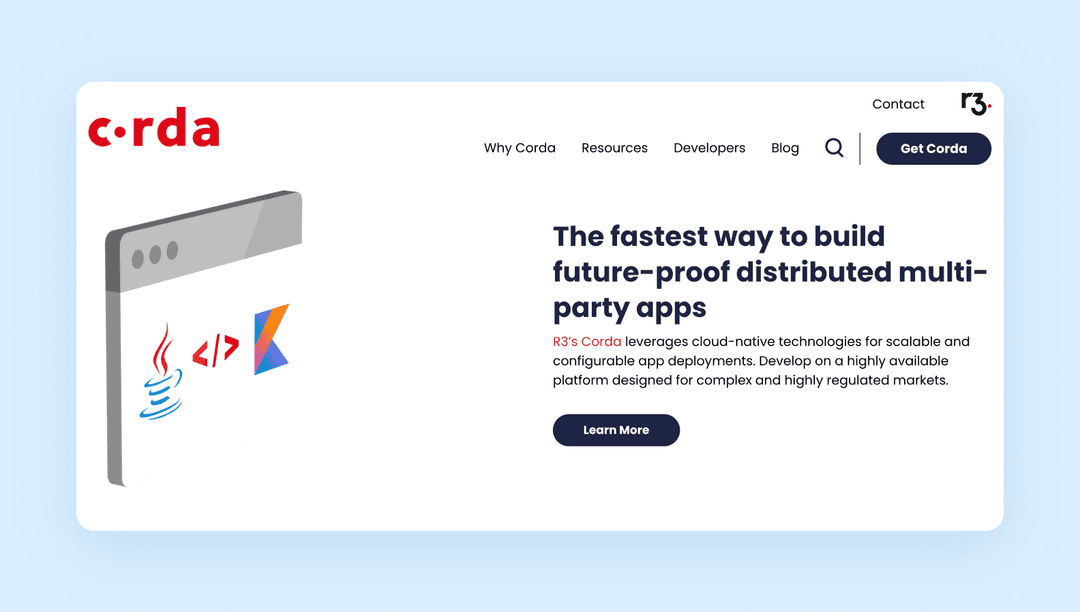
Like any app, you’ll need an efficient tech stack to develop a blockchain platform. If you’re building a DeFi solution, opt for tools with robust smart contract capabilities, like the Ethereum-based Solidity language. It’s also important to choose a blockchain framework that features distributed ledger technology. These include Ripple, Corda, and IOTA.
Decentralized apps need to follow legal guidelines, which can be tough since the blockchain industry is constantly evolving. That’s why we recommend consulting with legal experts when planning your product. They’ll help you understand all the relevant laws and data privacy standards when it comes to blockchain app development.
Here are some of the best business-oriented features to include in your blockchain platform:
Information stored on the blockchain is usually protected by multi-layered encryption protocols. This is a key component of any decentralized app. It provides high security and allows you to comply with legal guidelines for data privacy.
Here’s how cryptographic encryption works in a nutshell — it takes real data and converts it into a digital cipher. This coded message can’t be cracked by anyone except those who hold a unique decryption key. Using this key, the data can be decoded back into readable text. Because of this, stealing decrypted data is much harder since you’d also need to obtain a unique cipher key to unlock it.
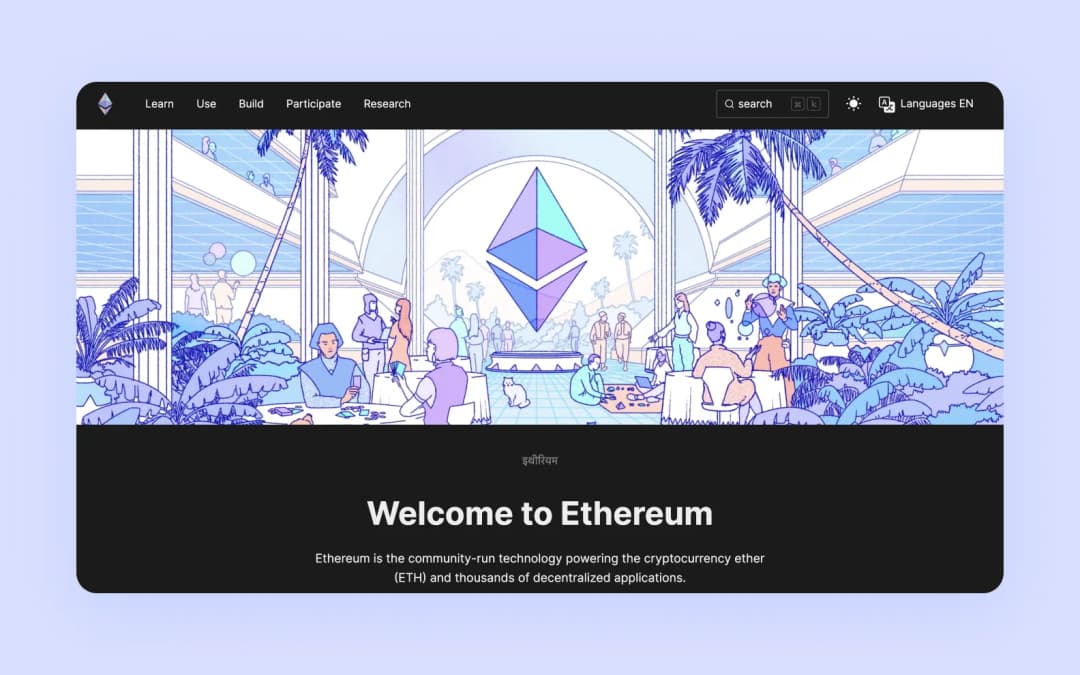
These include every type of digital asset that exists on the blockchain: from cryptocurrencies like Bitcoin to NFTs — non-fungible tokens. You can use tokens in a variety of ways. For example, pay for products or services and even prove ownership of both real-life and virtual items.
Businesses can also benefit from virtual tokens. They can create their own currencies to reward customers for engaging with their products or take them as payment for access to premium content. Tokens can even streamline supply chains: check the authenticity of products and track active deliveries.
Every decentralized logistics platform should include the audit trail feature. It’s based on the blockchain’s immutable ledger tech, allowing participants to view detailed transaction history and assign permissions on the private network. This feature is invaluable for keeping records on blockchain platforms, helping companies verify transactions, maintain data integrity, and make accurate financial reports.
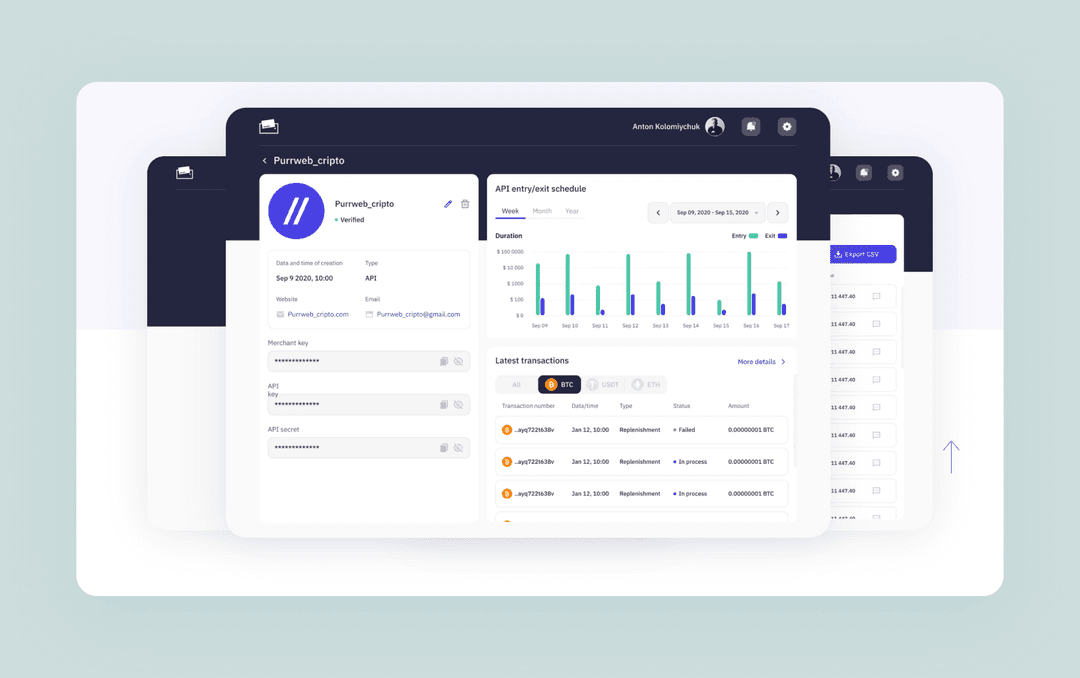
Every B2B blockchain platform needs to have tools for analytics. It’s especially important in decentralized finance — a market that heavily relies on cryptocurrencies. To stay in the loop and make informed decisions, your customers need to have access to the most accurate info. That’s why graphical dashboards with analytics are helpful. They let users see all relevant data at a glance without having to navigate through countless pages.
Here’s a crypto wallet that we designed. We’ve included informative dashboards and made sure they blend well with the platform’s clean, minimalist look.
Next, let’s look at some of the best blockchain enterprise solutions designed for companies across various use cases and industries:
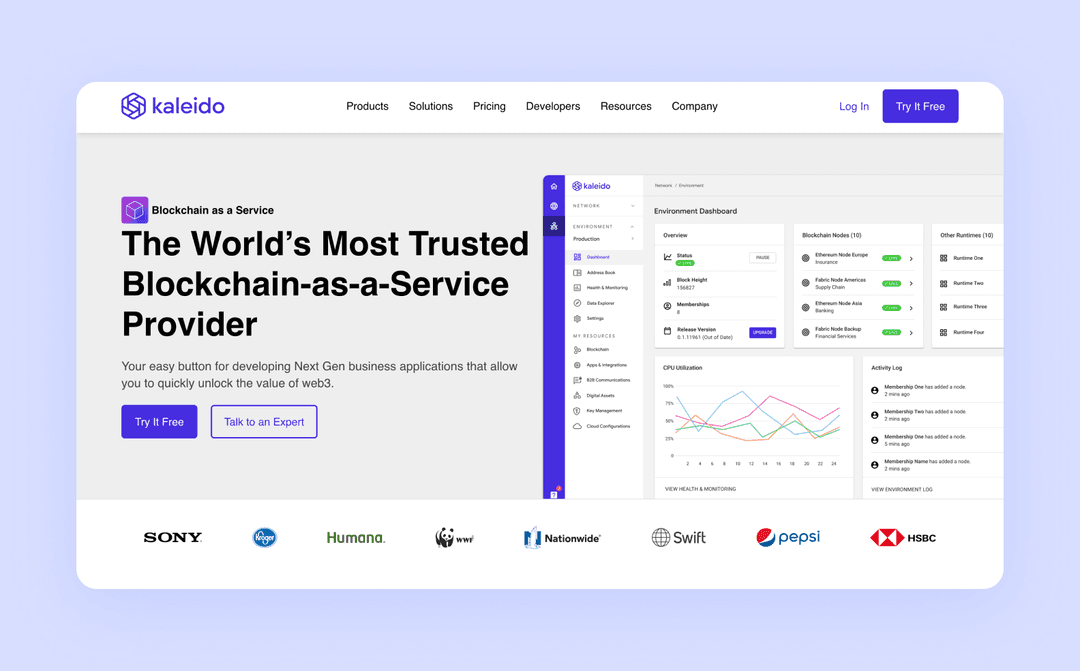
Kaleido is a managed enterprise blockchain platform that allows companies to quickly create decentralized solutions. It has many pre-built options and templates, developed to facilitate efficient blockchain UX design.
The platform includes everything from cryptographic encryption to smart contracts and third-party integrations. Kaleido is an all-in-one solution that will make creating a blockchain platform easy.
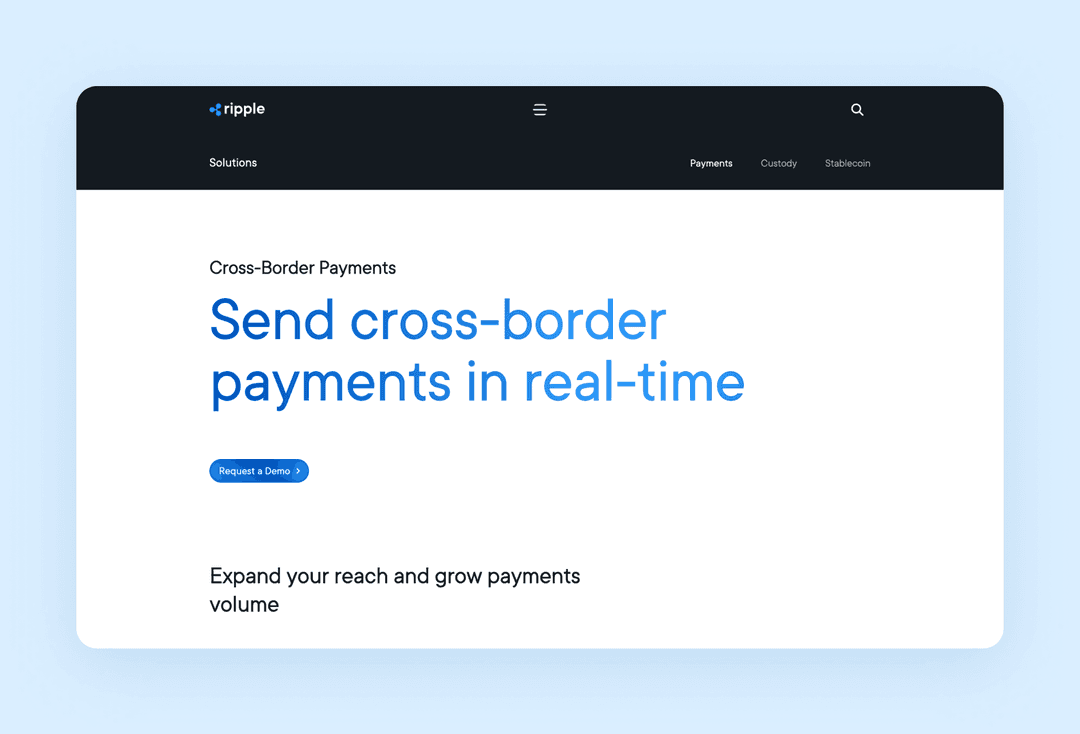
When it comes to decentralized finance systems, Ripple is one of the best. It allows companies to set up quick crypto payments by connecting them to dozens of financial institutions across the world. This helps businesses to increase transaction speed and expand to other markets. Ripple also supports traditional currencies, which makes the platform very flexible.

OriginTrail is an AI blockchain platform that lets businesses see the most accurate info on supply chains, trace shipments, and check the authenticity of products. These features allow companies to improve customer trust and streamline production through data transparency. Thanks to the platform’s AI capabilities, you can chart your own knowledge networks and verify them using the blockchain.
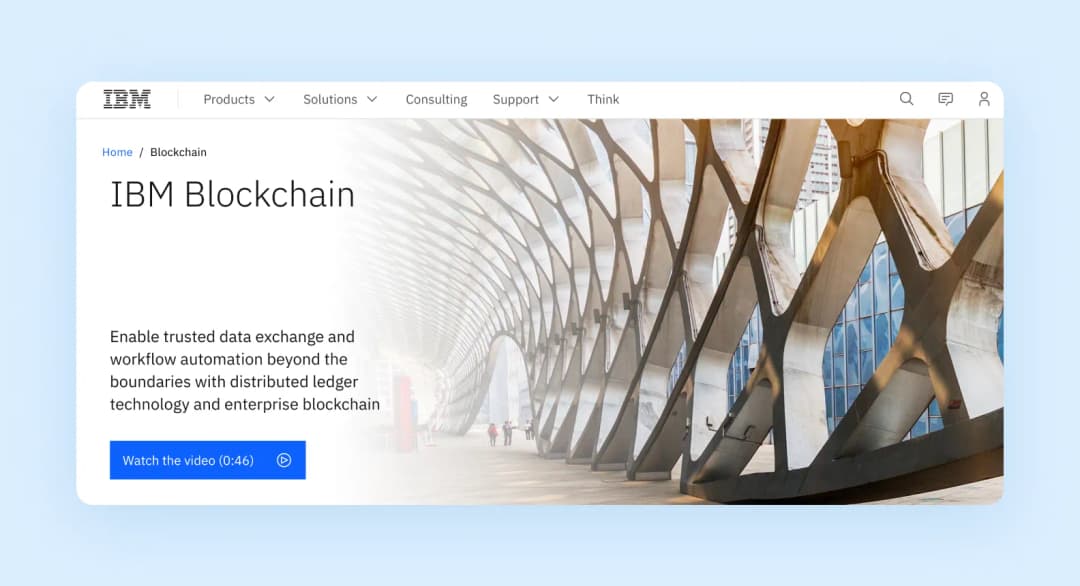
IBM offers one of the best enterprise blockchain products on the market. It’s designed for supply management, leveraging smart contracts to streamline business processes. The IBM blockchain suite allows companies to reach a high level of transparency in logistics, reducing risks and improving operational efficiency.
Here’s how the top enterprise blockchain platforms compare at a glance, including a few — Hyperledger Fabric, R3 Corda, and Quorum — that belong on any shortlist:
| Platform | Type | Consensus | Best for |
| Hyperledger Fabric | Permissioned / consortium | Raft, PBFT | Modular enterprise apps, supply chain |
| R3 Corda | Permissioned | Notary (pluggable) | Finance, regulated industries |
| Quorum (ConsenSys) | Permissioned Ethereum | IBFT / Raft | Payments, tokenization |
| Ripple | Permissioned | RPCA | Cross-border payments |
| Kaleido | BaaS (multi-protocol) | Configurable | Fast prototyping, managed networks |
Here’s how to develop a blockchain app for enterprise use, broken into eight practical steps — from scoping the problem to launch and maintenance.
Every business has its pain points, and your platform can succeed by offering a solution. Analyze the needs of your target audience and talk with partner companies to decide what type of product to build. For example, if you cater to traditional businesses that want to move to blockchain, ease of use and data security will be most important.
As with any product, it’s important to set clear goals before starting enterprise blockchain development. For example, if you’re creating a supply chain management platform, you’ll want to minimize operational costs for all businesses using your product. After your platform is launched, you’ll be able to easily calculate this metric. If your product lets companies save money, you’ll be able to attract other clients through word of mouth.
When developing a B2B blockchain platform, ensure that only authorized entities can access it. Unlike a public blockchain network, a business network needs to be limited to certain types of participants, which often include suppliers, logistics partners, or customers. Otherwise, all of your sensitive corporate data will be visible to everyone. That’s why it’s important to carefully distribute access and invest in the security of your platform.
It’s crucial to find a capable team of developers experienced in creating decentralized apps. They will help you build custom features for your blockchain product and ensure secure transactions on your private network.
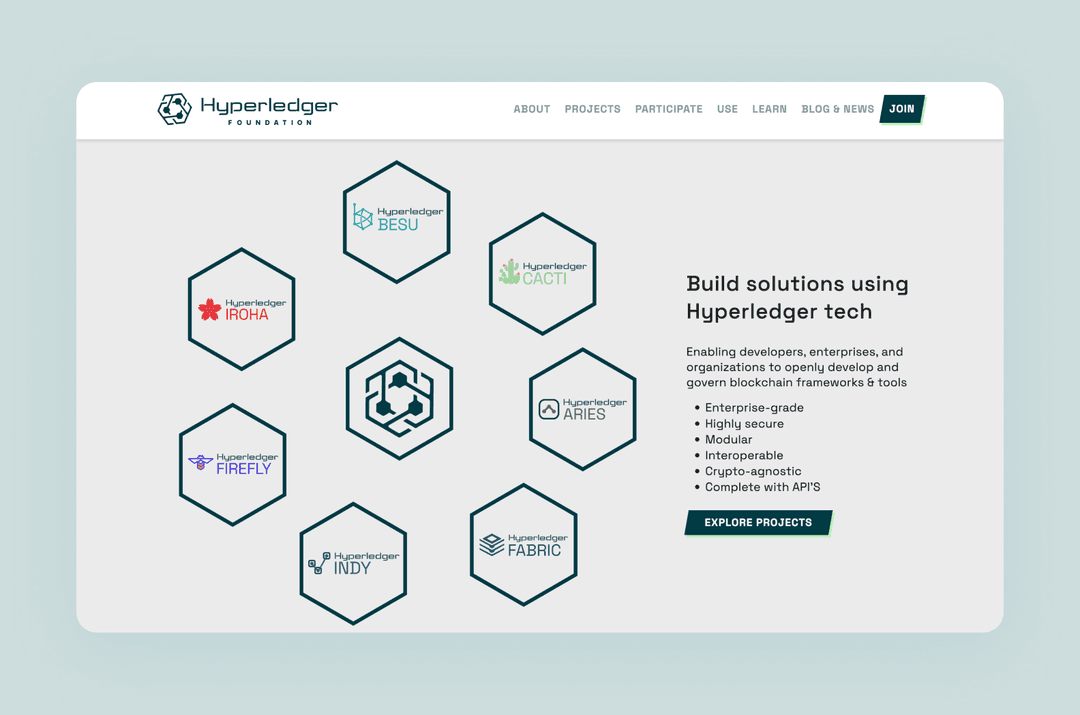
To build your decentralized app, you’ll need to choose a suitable blockchain platform, such as Corda, Ethereum, or Hyperledger. These serve as a foundation for any blockchain solution.
To build a specialized enterprise solution, we recommend opting for a permissioned blockchain platform like Corda or Hyperledger Fabric. These platforms support a wide range of third-party integrations and provide a high level of security.
By now, you’ve chosen the tech stack and designed the architecture of your blockchain platform with the help of your development team. Now, it’s time to write code. To speed up this process and save money, it can be helpful to split the development into sprints. This way, you can efficiently track the progress and give regular feedback.
After your team has finished writing most of the code for your blockchain platform, make sure to test every feature before the release. Conduct quality assurance tests to fix bugs, check your product’s security, and refine its functionality.
When your blockchain product hits the market, it’s important to keep rolling out updates with bug fixes and other improvements. In the blockchain space, quickly adapting to regulatory and technical changes is a must. By doing this, you’ll ensure that your platform is helpful to businesses in the long run.
Enterprise blockchain systems are complex, and like any new industry, they’re facing some challenges. Let’s explore some of them to help you navigate the decentralized space:
The blockchain space is still in a legal gray area in most countries around the world. Due to blockchain’s decentralized nature, governments can’t fully control it which often leads to compliance issues.
B2B solutions often avoid this problem since they are based on private blockchains. These networks can be accessed only by authorized users, which allows companies to improve their privacy policies and follow legal guidelines.
Compared to typical credit card payments, transactions on public blockchains can be slower. For example, Bitcoin, the most popular crypto network, can process a maximum of 8 financial transactions per second, often creating long wait times for regular blockchain users.
Enterprise-grade blockchain can avoid this issue, as B2B solutions are meant to serve a limited number of users. This helps prevent network congestion and increases the speed of private transactions between different companies.
Most companies across the world depend on traditional development tools to create and update their products. The blockchain ecosystem usually relies on specialized platforms such as the Ethereum blockchain, so it’s often incompatible with some standard frameworks by default. In practice, integration with existing tools usually takes extra work.
If you’re creating a B2B blockchain product and want to connect it to traditional web-based platforms, consider using middleware to bridge the gap between them. Companies like Microsoft and IBM offer such software, letting you integrate third-party platforms into your blockchain-based solution.
Scaling an enterprise blockchain means confronting a hard trade-off between decentralization and performance. The more nodes that must agree on every transaction, the slower and more resource-heavy the network gets. Public chains lean fully decentralized and pay for it in speed; enterprise networks lighten consensus — with mechanisms like PBFT (a form of byzantine fault tolerance) or Raft — and cap participants to reach thousands of transactions per second. The real engineering challenge is scaling throughput without giving up the security and auditability that made the ledger worth using in the first place.
Any company can benefit from developing a blockchain enterprise platform, and enterprise blockchain adoption keeps climbing across industries. It’s clear from the statistics that today’s market offers a lot of opportunities for launching a decentralized B2B product so it can be very profitable.
Explore our financial app development to see how we help enterprise teams bring blockchain products from concept to production.
➡️ Whether you’re in DeFi or supply chain management, we can develop an MVP to help you validate your ideas. We’ll do it in just 4 months, and with any budget. If you want to tell us about your product concept, fill in the form, and we’ll reply within 48 hours.
The four main types are public, private, consortium, and hybrid blockchains. Public networks (Bitcoin, Ethereum) are open and permissionless; private and consortium networks are permissioned and used by enterprises for privacy and control.
There is no single best platform — it depends on your use case. Hyperledger Fabric suits modular supply-chain apps, R3 Corda fits regulated finance, and Quorum works well for payments and tokenization.
Enterprise blockchains are permissioned: only authorized participants join, consensus is lightweight and fast, and data privacy is configurable. Public blockchains are permissionless, transparent, and slower.
Yes — enterprise networks use consensus mechanisms like PBFT and known, authorized participants, which makes them tamper-resistant and auditable while meeting regulatory compliance requirements.
Common use cases include supply chain traceability, cross-border payments, secure data sharing, digital asset management, and automating processes through smart contracts.


.svg)