Explore

Need help with your project?

Oops! Something went wrong while submitting the form.
Mobile app development companies in Canada take custom products from design through release and support. Their work spans iOS, Android, and cross-platform environments. This ranking compares ten agencies by project fit, mobile technology, and level of product ownership.
The profiles cover teams suited to startup MVPs, established products, healthcare platforms, native consumer apps, and mobile modernization. The article also explains how to compare delivery models and verify relevant experience. It shows how to tell whether a platform recommendation fits the product rather than the agency's preferred stack.
A suitable mobile app developer in Canada has shipped products with comparable platform demands and can explain how its delivery methodology fits the buyer's team. Relevant evidence carries more weight than awards or review totals. The useful question is not whether app development agencies build mobile apps, but whether one has solved a similar product problem.
A mobile app development company usually becomes involved before coding begins. Its product team tests an app idea, identifies technical dependencies, and separates launch requirements from later additions. Mobile app consulting services cover this early reasoning when the buyer already has internal engineering or needs an independent view of scope and platform fit.
Platform recommendations reveal how the agency makes decisions. A native app fits products that rely on platform-specific hardware, deep operating-system integration, or separate iOS and Android experiences. Cross-platform mobile apps reduce duplicated work when teams develop mobile apps for platforms that share behavior. React Native is one option, not a universal answer.
The agency's explanation matters more than its preferred stack.
A written comparison of each mobile app development partner and its app development team works best when it covers:
These fields also make estimates easier to compare when teams outsource app development. A lower headline price can reflect different assumptions about design, testing, or support. The same applies to cross-platform app development companies. The mobile app development process should use a shared codebase only when it matches the product's technical requirements.
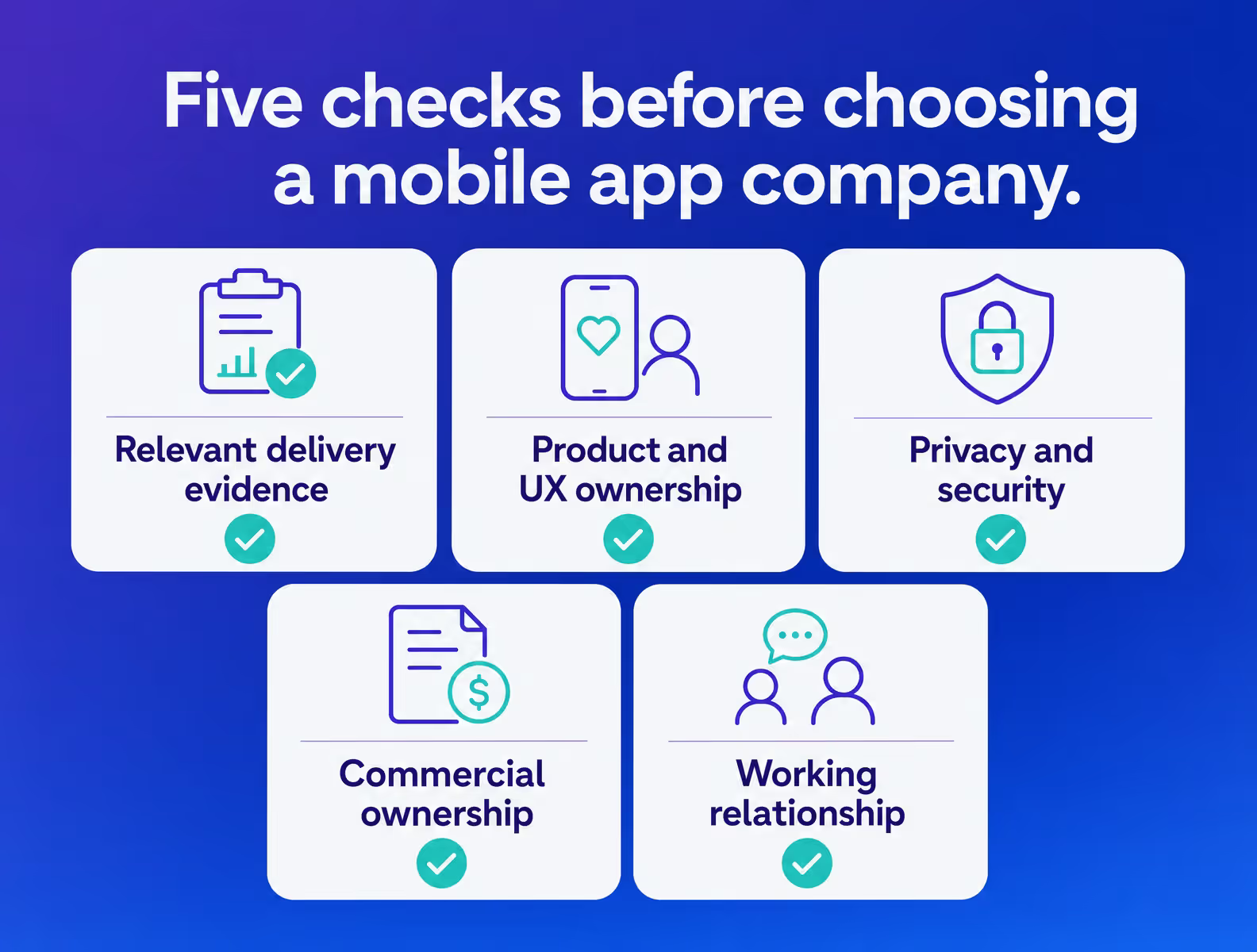
A comparable proposal keeps scope assumptions visible
Buyers planning app development in Canada can compare top mobile app development companies by project fit, product ownership, and case-study evidence. The table compares app developers in Canada. The profiles show which mobile apps each development team builds and where its experience fits.
| Company | Best for | Delivery model | Key specialization |
| Purrweb | Startup MVPs and product teams | End-to-end app development team | React Native, UI/UX, backend, and admin tools |
| Sidekick Interactive | Native products and mobile-team scaling | Mobile app developer | Swift, Kotlin, React Native, and Flutter |
| MindSea | Healthcare and patient engagement | Healthcare app developer | Patient-facing apps and adherence software |
| Steamclock Software | Polished consumer products | Embedded mobile product team | Native engineering and ongoing iteration |
| Pieoneers | Research and AI-enabled products | Design and development studio | Strategy, prototyping, mobile, and AI |
| Guarana Technologies | Marketplace, IoT, and AR products | IoT app developer | Native, cross-platform, IoT app development, and AR apps |
| Iversoft | Modernization and product takeover | Project or retained team | Native delivery and technical-debt recovery |
| datarockets | Product iteration and AI features | Product engineering partner | React Native modernization and AI systems |
| Modall | Mobile products with backend operations | End-to-end product team | Cross-platform apps, backend, and admin portals |
| Essential Designs | Combined mobile and web workflows | Web app development team | Mobile apps, web platforms, and business software |
The delivery model changes what the buyer needs to manage. A specialist fits a product with established direction. A full-cycle mobile app development agency owns more of discovery, design, engineering, and release. Retained teams support an evolving roadmap or an application with existing users and technical history.
Purrweb combines design and engineering for a startup company or product team building mobile apps. Its mobile app development services cover product discovery, UI/UX, React Native, backend systems, admin tools, quality assurance, and store release. The developer also tests whether a product needs native modules before treating cross-platform development as the default.
The Settler case shows this scope in practice. The mobile application helps users manage renovation work for properties remotely. Purrweb used React Native for the iOS and Android app, Node.js and NestJS for the backend, and React for the admin panel. The team reduced the initial feature set to an MVP and reported more than $12,000 saved through stack and scope decisions.
EvTrip already had a working web product, but investors expected a mobile app before the next report and the team had less than a month. We built registration and authorization flows plus native push notifications in React Native, then placed the existing product inside WebView.
The difficult part was passing the access token from the native shell into the web experience without breaking sign-in. This approach preserved the existing product logic instead of rebuilding every screen. The App Store and Google Play accepted the result, so EvTrip met the release requirement without a two-month cross-platform rebuild.
Source: EvTrip case.
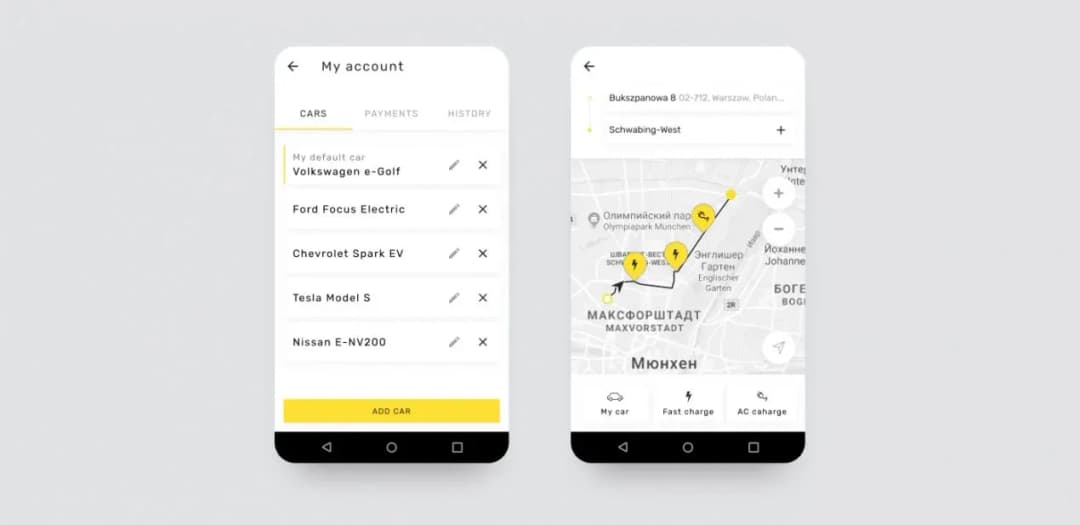
Delivery fit can favor adapting a working product
Sidekick Interactive suits organizations that prioritize native iOS and Android engineering or need extra capacity for an established mobile team. Its published service material covers Swift and Kotlin development alongside React Native and Flutter, so the agency is not tied to one implementation model.
TouchTunes is the clearest portfolio example. The development firm describes native mobile apps for iOS and Android, fitting products where platform behavior and iteration matter more than one shared codebase.
MindSea concentrates on healthcare software and patient-facing mobile apps. This narrower focus helps buyers looking for experience with clinical teams and regulated product decisions. Its published work covers patient engagement and adherence.
Blue Charm centers on medication adherence and patient engagement, connecting patients' daily experience with the care team's workflow. The app developer therefore suits health care organizations that need mobile UX and domain context in one engagement.
Steamclock Software works as an embedded mobile product team. Its stack includes Swift, Kotlin, Compose Multiplatform, and React Native, while its service model also covers product strategy and user experience design. This combination fits consumer mobile apps where interface polish and continued iteration carry more weight than the fastest initial launch.
For Ridwell, Steamclock built a native SwiftUI iOS mobile app for a service that helps households keep reusable and recyclable materials out of landfills. The case states that version 1.0 shipped in under six months, followed by continued product work after launch. The example shows a delivery model that extends beyond a fixed app development project into ongoing mobile product ownership.
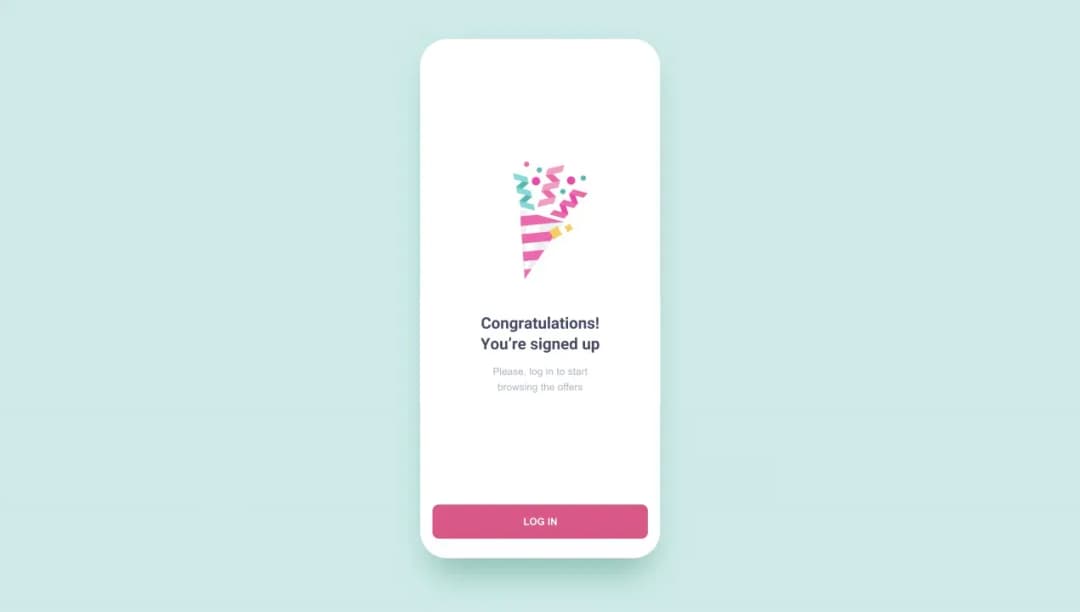
Mamado came to us after its internal team had spent a year on a React Native frontend and Laravel backend that still could not be released. We reviewed the inherited code, fixed critical errors, coordinated the disconnected frontend and backend, and cut nonessential features from the first release.
The original deadline was unrealistic, and Laravel was outside our usual stack, so we managed technical uncertainty and delivery at the same time. After 2.5 months of full-time work, the app reached the stores with a smaller launch scope and a clear plan for the remaining features. Read the Mamado case.
A product takeover starts with code evidence
Pieoneers combines product strategy, brand work, and design and development services for web and mobile app development. The studio is a practical fit for universities, research teams, and startups whose mobile apps also depend on data or machine-learning functions. Rapid prototyping is part of its stated development process.
Its Workrise case covers native iOS and Android applications for employee wellness. The product collected employee check-ins and used machine-learning analysis to help organizations understand workforce well-being.
The example supports Pieoneers' fit for products that need more than a standard account-and-content flow. It also shows native app delivery across both operating systems rather than a web application wrapped for mobile distribution.
Guarana Technologies focuses on mobile development across iOS, the Android operating system, and cross-platform software. Its service material also covers Internet of Things integrations and augmented reality. This focus suits teams building mobile apps for a marketplace or connected product that depends on hardware and device behavior.
FoodHero is a useful retail marketplace example. The application software helps users find discounted grocery products that would otherwise go to waste. The case includes nearby-market geolocation and scheduled pickup.
This work is relevant to companies evaluating mobile solutions that connect inventory with a time-sensitive customer journey. Guarana's profile is strongest for mobile-first products rather than broad enterprise software modernization.
Iversoft fits established organizations extending an existing platform or taking control of a product with technical debt. Its delivery options include project work and retained product teams. The company also presents code review, modernization, and product takeover as explicit services rather than treating every engagement as greenfield custom development.
For the Canadian Dental Association, Iversoft built SecureSend as native mobile apps for iOS and Android connected to an existing web product. The apps support secure exchange of patient documents and images.
The project combines mobile engineering with integration into a working platform. This fits buyers whose application development scope includes legacy dependencies and operational users. It also demonstrates health care experience without reducing the product to a generic patient app.
datarockets combines product strategy with web products, mobile apps, and AI engineering. It fits teams modernizing an existing React Native product or adding AI capabilities while keeping product and engineering ownership together. The company's current delivery model uses AI-assisted development, but its published work still provides conventional product evidence.
The G-Plans and Shift case covers improvements to two fitness applications over seven months. datarockets upgraded the React Native foundation and reports reducing the Android app size threefold.
This is relevant to a development team facing framework age or accumulated maintenance work. The example gives the profile a clearer fit than a generic claim about experienced mobile app developers. It shows continued iteration on products already in use.
An agriculture product needed users to zoom into greenhouse plans while keeping every planting area interactive. The app also had to remain inside Expo, which limited the React Native libraries available at the time. We prototyped first because the platform fit was uncertain.
The initial ScrollView solution worked only on iOS, while CSS scaling blurred text on Android. Instead of forcing the first idea through, we tested alternatives, found a compatible zoom library, and optimized it for weaker Android hardware. The team delivered the feature within the one-and-a-half-month deadline. Read the agriculture case.
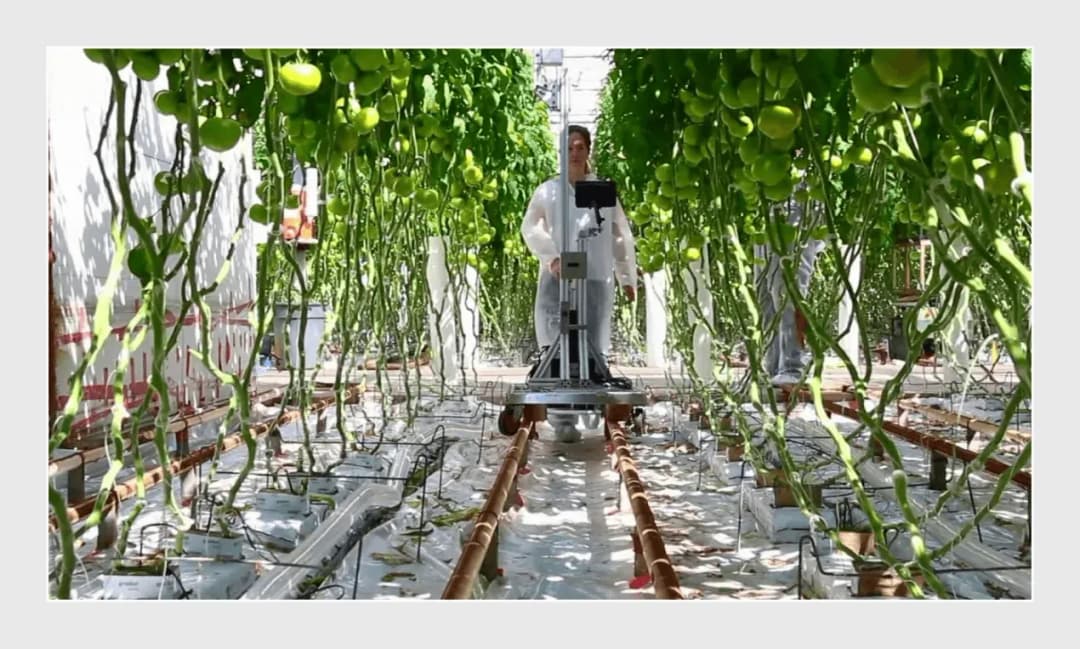
Prototype results can change a platform decision early

Modall develops custom software, mobile apps, SaaS products, and AI-enabled systems. Its fit is strongest when a mobile application also needs backend services and an operational admin portal. This gives the company broader responsibility than a mobile-only development agency.
For Sceene, Modall rebuilt a nightlife discovery product with React Native and Expo. Its case says the cross-platform app reached the App Store in under six weeks. The broader engagement included an admin portal and continued product work.
That combination suits businesses that need one development team across mobile and supporting software. The case also shows a concrete store-release outcome rather than relying only on general service descriptions.
Essential Designs builds mobile apps, web platforms, and business software. It fits digital transformation projects where mobile and web interfaces belong to one operational system rather than separate projects. Its services cover web development, mobile application development services, UI/UX, custom software development, iOS app development, and Android app development.
The MyHuddle case covers a care-coordination platform for families and service providers. Essential Designs describes dedicated mobile applications alongside web portals. Different participants use interfaces suited to their roles.
The project supports the company's fit for mobile applications for businesses tied to a wider operational process. Essential Designs is less focused on one mobile stack than some companies in Canada on this list. It becomes more relevant when the buyer needs web and mobile applications delivered together.
The right choice depends on app development expertise and evidence that match the product, not on a broad service list. A native consumer app, healthcare platform, marketplace, and inherited React Native codebase create different delivery risks. A mobile application development company should connect the stack, scope, ownership, quality assurance, and post-launch support to those risks.
This ranking focuses on mobile delivery. Buyers comparing a wider range of web, enterprise, and product engineering partners can also review software development companies in Canada.
➡️ Have a mobile product in mind? We can review the scope, explain the platform trade-offs, and outline a practical delivery approach. Discuss your mobile app.
Custom mobile app development in Canada often ranges from CAD 40,000 for a focused cross-platform MVP to CAD 300,000 or more for a complex native or enterprise product. The final budget depends on platforms, feature scope, integrations, security requirements, UI complexity, and post-launch support. Compare estimates against the same written scope rather than hourly rates alone.
A focused MVP commonly takes about three to five months, while a complex product may require six to twelve months or longer. Discovery, design, integrations, compliance, testing, and app-store review all affect the schedule. Ask each company for a milestone plan, dependencies, team composition, and a clear explanation of what could change the delivery date.
Start with companies that have shipped products similar to yours in complexity, industry, or platform. Review real case studies, speak with the proposed delivery team, and assess product strategy, UX, QA, security, communication, and post-launch support. Request a documented scope and compare ownership, assumptions, exclusions, and risk management — not just the headline price.
Choose native development when the product depends heavily on platform-specific hardware, maximum performance, or deeply customized iOS and Android experiences. Cross-platform development can be a better fit when speed, shared functionality, and budget efficiency matter. The right choice depends on product requirements, not agency preference, so ask vendors to explain the trade-offs for your roadmap.
Most established app development companies offer some form of post-launch support, but the scope varies. Confirm whether the contract includes monitoring, crash fixes, operating-system updates, security patches, analytics, feature iteration, and app-store maintenance. Also clarify response times, monthly capacity, pricing, source-code access, documentation, and how the product will be handed over if the partnership ends.
A qualified team should identify the personal data the app collects, minimize unnecessary collection, and secure data in transit and at rest. It should also define access controls and document retention and deletion. For Canadian users, discuss applicable privacy obligations, consent, breach response, hosting, and third-party processors during discovery. Regulated products may also need industry-specific legal and security review before release.


.svg)