Explore

Need help with your project?

Oops! Something went wrong while submitting the form.
A Perth business planning a new website might be weighing a handful of agencies that all offer design, development, and support. Those service lists tell you little about who can handle the work you actually need. A site your marketing team can update and a customer portal with logins and permissions call for different experience.
We compare ten web development companies for Perth businesses, from teams that build content-managed websites and online stores to those that build custom web apps. For each company, we point out what to check in the proposal, including what happens when the site goes live.
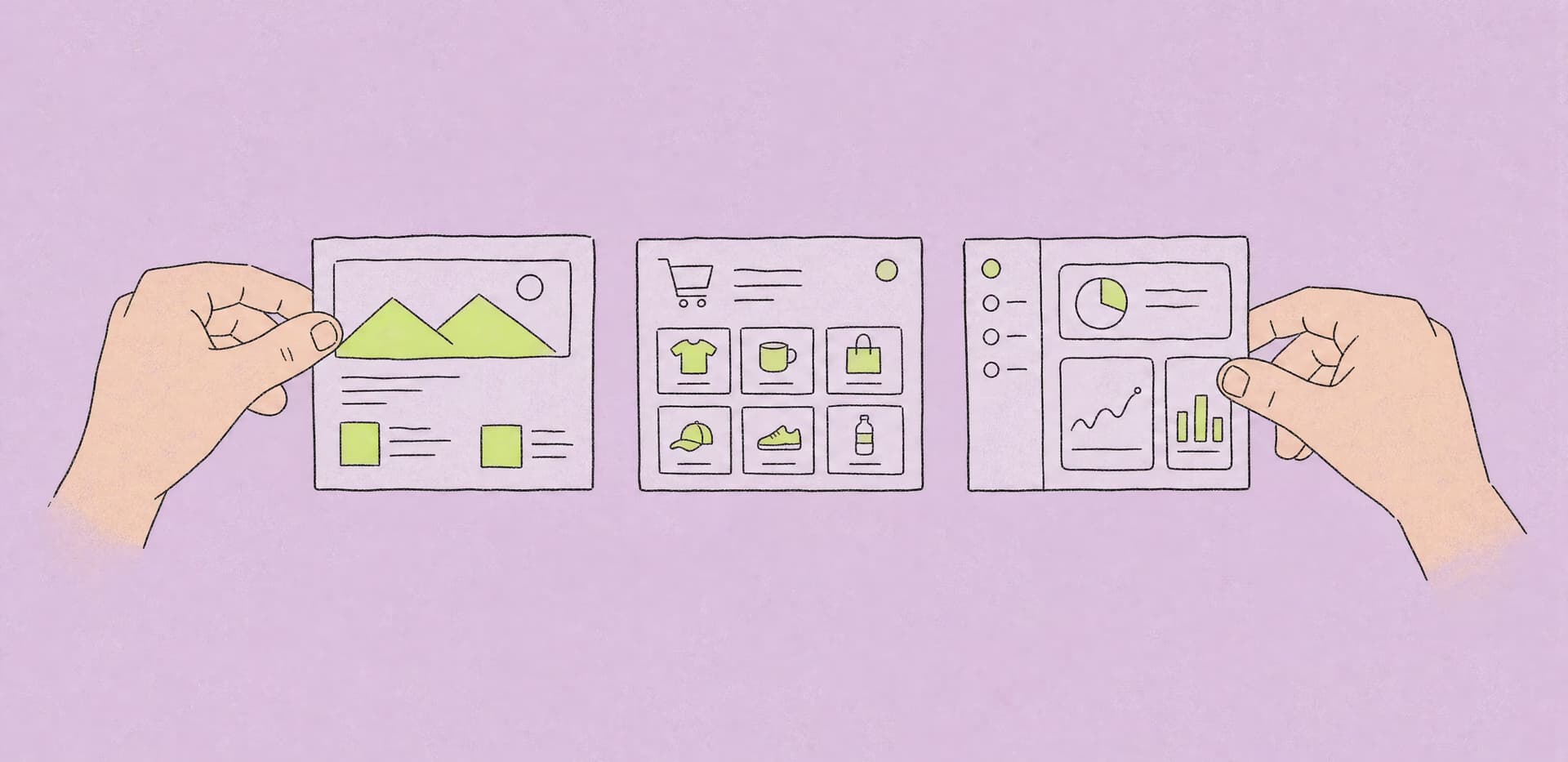
A new site, a redesign, and a custom web app raise different questions before work starts. For a redesign, the proposal should say who moves existing content. For a web app, it should say who owns the code. The table pairs each company’s services with a question to check before signing.
Comparison of ten web development companies for Perth businesses
| Company | Project fit | Website/CMS or web app focus | Location / delivery model | What to verify |
| Purrweb | Custom web apps | React, Next.js, backend development | – | Code and hosting account ownership |
| PWD | Business sites and stores | WordPress, Shopify, WooCommerce, PHP | In-house, West Leederville | Content migration and CMS training |
| AB Web Developers | Business websites | Websites and ecommerce | Perth-focused | Which integrations the proposal covers |
| Dapth | Government and enterprise sites | Payload, Umbraco, Kentico | Perth-focused | Editor permissions and training |
| Slinky Web Design | Business websites | WordPress and maintenance | Perth-focused | What hosting and maintenance include |
| Clue | Redesigns and online stores | CMS migrations | Perth-focused | Who handles redirects and analytics |
| ALYKA | Organizational websites | Kentico, WordPress, accessibility | Perth-focused | How accessibility will be tested |
| Milk Web Design | Sites with booking | WordPress and integrations | Perth-based solo practice | Availability and post-launch coverage |
| CVW Creative | Custom sites and stores | Design approval before build | Perth-focused | Ecommerce platform and content migration |
| The Web Shop | Websites for professionals and trades | Website packages | Perth-focused | Who supplies copy and images |
We at Purrweb design and build web applications for businesses that need more than a content-managed website. Our custom web application development services cover product design, frontend, and backend development for marketplaces, customer portals, and reporting tools.
In a customer portal, for example, customers might need to see their own documents and track requests, while staff need to manage requests across accounts. Those permissions determine what each person sees in the user interface and what they can do. Our guide to the custom web app development process covers how those requirements shape the build.
A marketplace has a similar challenge: buyers need to find what’s for sale without gaining access to files they haven’t purchased.
We designed and built Contentplace, a marketplace for a startup selling rights to video footage. Creators upload clips, and buyers narrow the catalog by topic, audience, and price to find footage they can license.
The marketplace needed to serve public and private videos without making private files available to anyone who had the link. We used CloudFront to deliver both types of video and added temporary passcodes for private clips. That let the same platform serve public footage and restrict access to private material. The MVP was completed in three months in 2021.
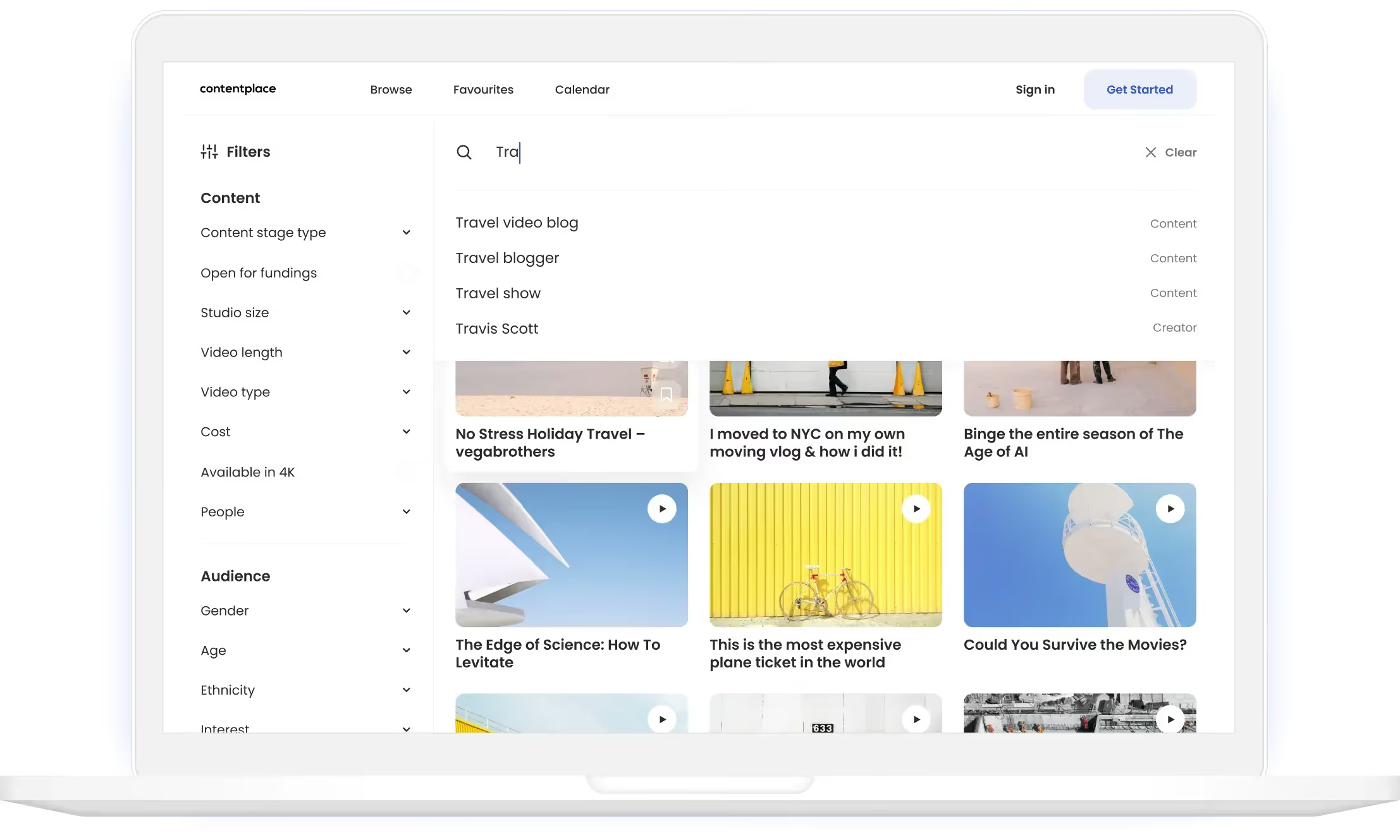
Video search and filters in the Contentplace marketplace
PWD builds business websites and online stores with an in-house team in West Leederville. Its services include WordPress website development, Shopify and WooCommerce stores, and custom PHP development. That combination fits businesses whose staff handle content updates but need a developer for features the platform doesn’t offer out of the box.
For a redesign, the proposal should say who migrates web pages and trains staff to update the new site. If the build includes custom PHP, there’s a separate handover question: who tests that code when the site is updated, and does the maintenance agreement cover fixes? PWD also lists search engine optimization (SEO), so it’s worth checking whether launch work is included in the website proposal or scoped separately.
AB Web Developers lists website development services, ecommerce, website hosting, and domains. Hiring a web developer and setting up a domain are separate decisions. The proposal can identify the domain registrant and who has account access. That determines who controls the domain once the site is live.
For an ecommerce website, the scope question moves to integrations. Suppose a store needs its orders to reach an inventory or accounting tool. The proposal should name which connections are included and which content-management tasks, like updating products, fall inside the build. Listing hosting and domains beside development doesn’t turn them into one package, so each service line is worth confirming separately.
If several teams update the same website, choosing a content management system (CMS) means deciding who can draft, review, and publish pages. Dapth lists three CMS platforms and describes its website design and development process, from discovery through post-launch support.
Suppose one team writes updates and another approves them. Can both teams take a page from draft to publication using their own accounts? That’s one workflow to put in the proposal so staff can try it before launch.

A website maintenance plan that includes backups doesn’t necessarily cover restoring the site. That distinction matters if an update to a WordPress website breaks an inquiry form and customers can no longer get in touch through the site.
Slinky Web Design lists design and development for responsive websites, as well as website content and ecommerce services. It also lists WordPress maintenance, so it’s an option for businesses that want to discuss ongoing upkeep alongside a new site or redesign.
The maintenance agreement can spell out who checks that forms still work after an update, who restores the site if needed, and what that work costs. For an online store, it’s also worth confirming whether the same agreement covers the checkout or whether it needs separate support.
Redesigning an existing website can change the URLs customers use to find a service or product. Clue offers custom website development, user experience design, CMS migrations, and ongoing support. It’s worth comparing for a redesign that also involves moving content to a new CMS.
If product or service pages move, redirects should take visitors from old links to the right pages on the new site. After launch, check that analytics still tracks website traffic, inquiries, and purchases. A proposal that names who sets up the redirects and who verifies tracking makes both tasks part of the launch plan.
For an organization that takes applications or inquiries online, accessibility affects whether people can complete those tasks without help. ALYKA lists accessible web design alongside Kentico and WordPress development, ecommerce, and support.
An accessibility requirement is easier to verify when the proposal names the tasks to include in usability testing. For an application form, that could mean completing it using only a keyboard and checking that a screen reader announces field labels and errors.
The proposal can also say who fixes issues found in testing and whether those fixes will be checked again before launch. That makes accessibility part of accepting the site rather than a note on the design brief.
A booking button can send visitors to a separate scheduler. A site that needs to show availability from an existing calendar has to exchange data with that system. Milk Web Design is a solo practice based in Perth that lists WordPress, ecommerce, and custom development for integrations and booking systems. It also lists website hosting and support.
For a booking site, the proposal should explain where available times come from and what happens to the calendar when someone cancels. Those details help distinguish a link or widget from custom integration work. With a solo practice, there’s another support question: who handles a booking failure if the developer is unavailable? The agreement should say whether backup coverage is included.
CVW Creative offers custom websites and ecommerce development and presents page design concepts for approval before development starts. For a store redesign, that gives the business a point to check whether the proposed layouts work with the products it actually sells.
A product page might look fine with a short description and a single image. A responsive design has to handle variants, long descriptions, and missing photos on both desktop and mobile. Reviewing those examples before sign-off can reveal what the design still needs. The proposal should also say which ecommerce platform will run the store and who will migrate product information from the current website.
A small business website can be ready for development before anyone has written the copy or taken the photos. The Web Shop offers website packages for professionals, trades, and small businesses. Its packages list website design, content, images, mobile layouts, and navigation.
For a trades business, the content might include service descriptions, photos of completed work, and the areas it serves. The proposal can say which material the business supplies, what the provider writes or sources, and who can reuse it later. Check what staff can update and maintain themselves and what needs a separate quote, such as adding a booking flow or changing the layout after launch.
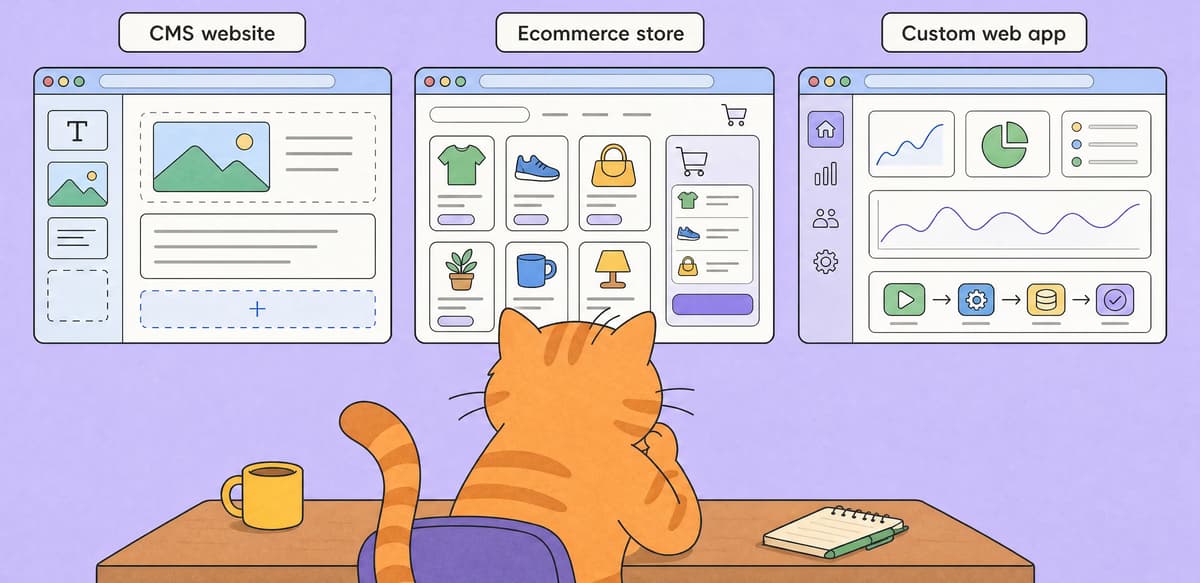
A business website needs an editing workflow your staff can use. An online store needs a checkout and integrations that fit how orders are handled. A custom web app needs a clear account of what users can do and what happens to their data. Once that scope is clear, compare who handles design and development, testing, and support.
Where web design services are part of the proposal, ask what you’ll be able to review during the web design process, before development starts. Our guides to web development team roles and the web app design process explain who makes those decisions and what can be tested in a prototype. Some requirements only become clear when you consider how people will find the product in the first place.
We built TuneTank, a platform for finding and licensing royalty-free music. Artists upload tracks to sell licenses. Customers can search for music, browse playlists, and license individual tracks. The platform includes watermarking and a custom audio player that displays waveforms.
Search engines had trouble indexing the single-page app. Rather than rewrite the app to render every page on the server, we integrated Prerender to serve rendered pages to crawlers. That addressed the indexing problem and made TuneTank appear in search results.
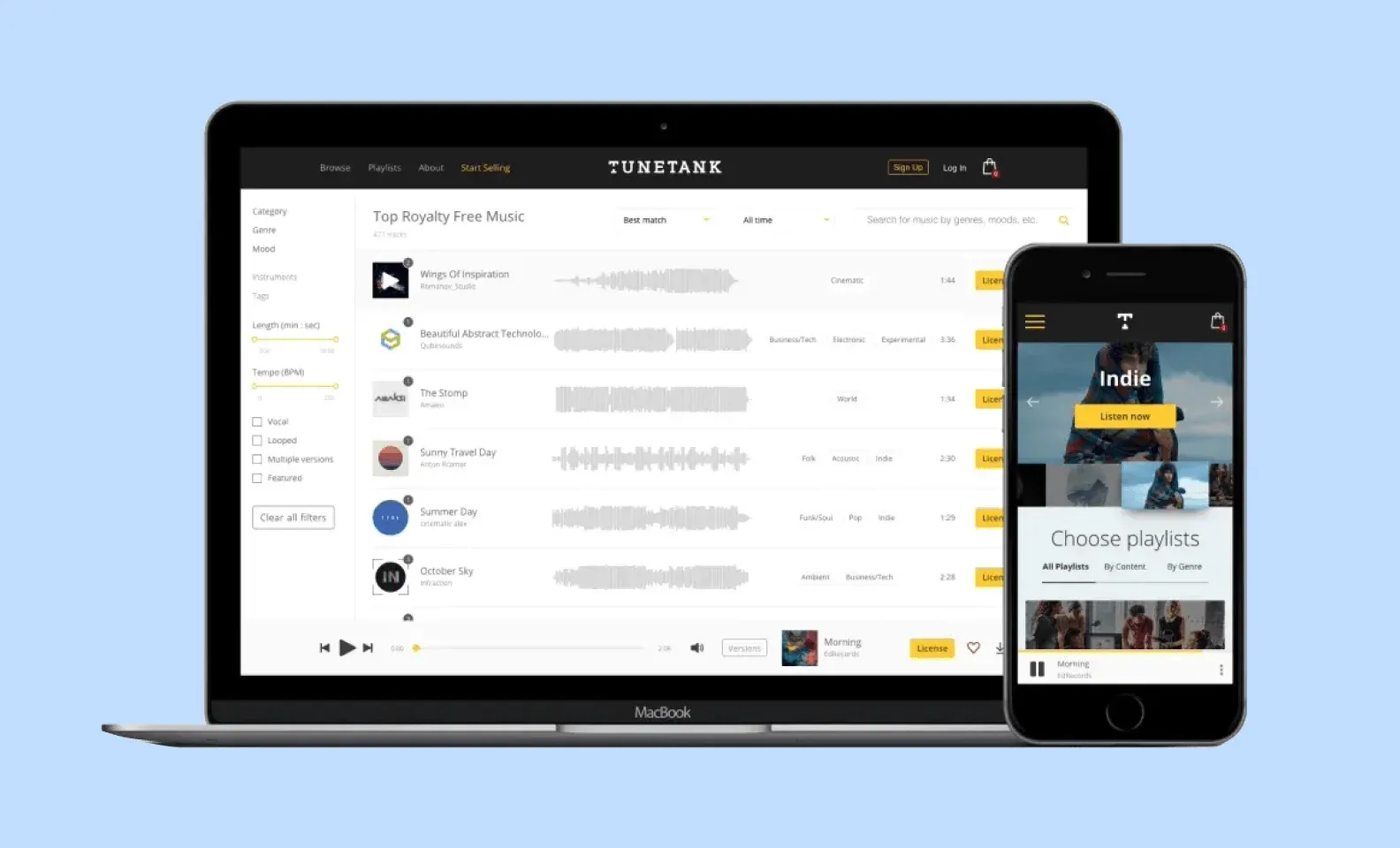
TuneTank’s music licensing marketplace
➡️ If you’re planning a website or web app, tell Purrweb what you’re building so we can discuss what the project needs.
Compare providers whose services fit your project: a content-managed business website, an online store, or a custom browser-based product. Check who handles design, development, testing, and support. For a redesign, look for a provider that can explain how existing content and links will carry over. For a custom app, ask how the team would handle user accounts and permissions.
Give each provider the same website development brief, including users, required pages, integrations, content responsibilities, and launch constraints. Ask for named deliverables, exclusions, acceptance criteria, and ownership arrangements. Compare the proposed team and handover process rather than presentation alone.
Request a walkthrough of a relevant completed website and clarify which parts the provider actually designed or developed.
A CMS website usually fits publishing, service pages, and content that a nontechnical team needs to update. A custom web app is more relevant when users need accounts, permissions, transactions, or workflows that standard tools cannot support adequately. Ask each provider to explain that choice using your requirements, including ongoing maintenance and data portability, rather than recommending a platform by default.
Yes, provided the working arrangements suit the project. Confirm overlap with Perth working hours, who makes decisions, how demonstrations and feedback work, and where project documentation is kept. Agree on access to source code, hosting accounts, and design files. A remote team should not be described as Perth-based unless it has a verified local presence.
Ask who handles hosting, security updates, backups, monitoring, and CMS maintenance, and which responsibilities remain with your team. Clarify the defect-resolution process, escalation route, and handover documentation. For a redesign, include redirects and analytics checks in the launch plan. Confirm the support scope in writing. A website launch does not automatically include ongoing SEO or development work.