Explore

Need help with your project?

Oops! Something went wrong while submitting the form.
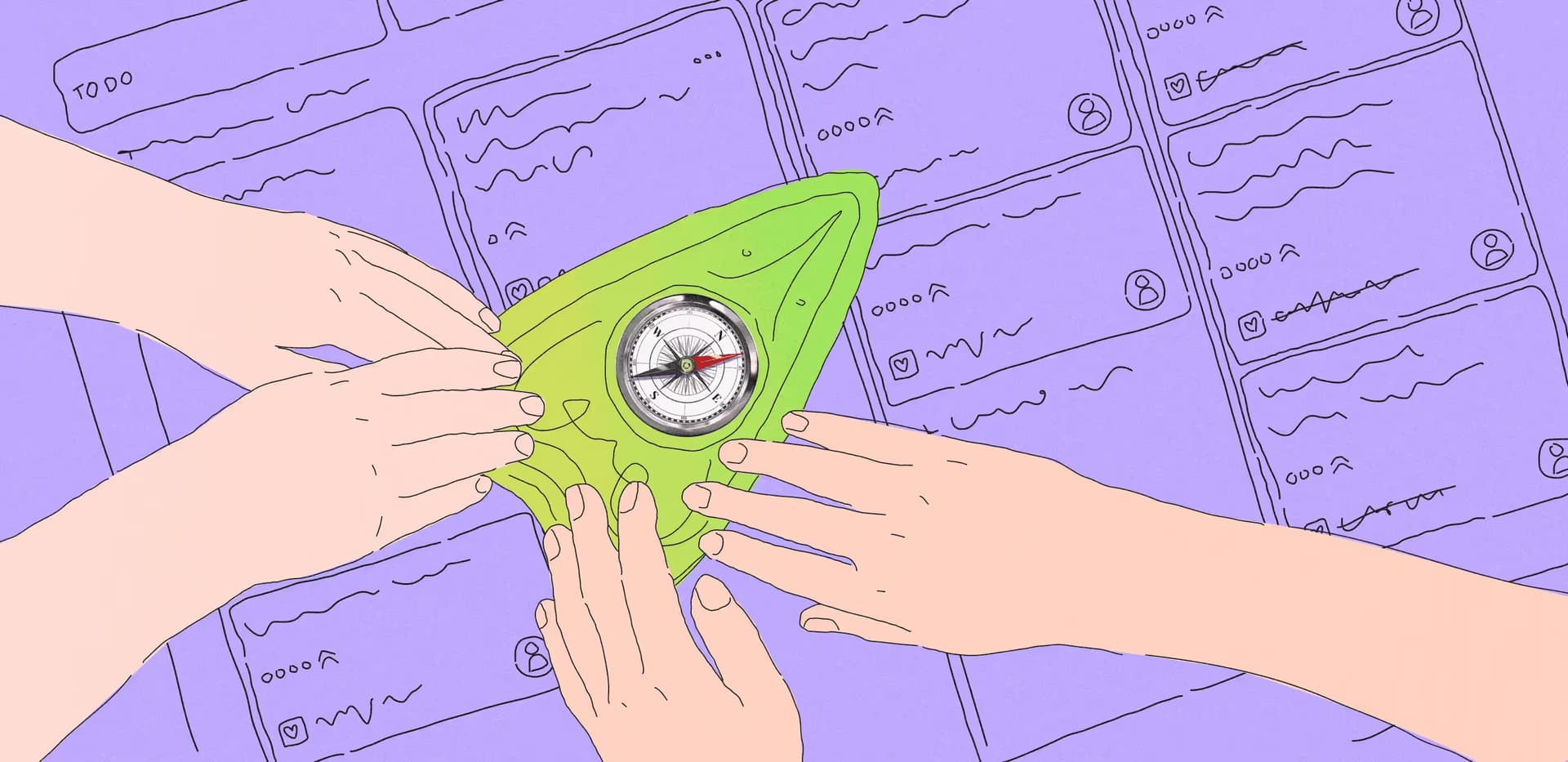
Planning a project without proper estimation is like sailing without a compass. Just as a compass guides a sailor through uncharted waters, accurate estimation steers your project towards its goals.In this guide, we will explore the essentials of project estimation and how to do it properly.
Purrweb is an IT company, so we’ll talk about project estimation based on our experience. But even if you don’t work in IT, the principles and techniques described in this article can be used in other areas just as well.
Project estimation is a process of predicting the resources, time, and costs required to complete a project. Think of it as a roadmap that guides a project manager and their team from the start to the finish line.
Various fields like construction, software development, and event planning depend on accurate estimates. In construction, project estimation helps determine the cost of materials, labor, and equipment. Event planning helps predict the time and resources required to organize and execute a successful event. For a software development project, you will calculate feature development hours, developer costs, and testing time.
An accurate project estimate sets clear expectations and ensures the project is finished on time and within budget. It also helps spot potential risks early, allowing for better planning and management.
According to Statista, the global IT revenue segments are projected to reach the value of 1.9 trillion U.S. dollars in 2029. This growth highlights the importance of precise estimation in large-scale projects.
When a client approached us with a vision for a comprehensive app catering to various aspects of Muslim religious life, we suggested starting with a detailed business analysis.
We discovered that while many Muslims do use multiple apps for religious practices, most of the potential audience did not feel any discomfort from it.
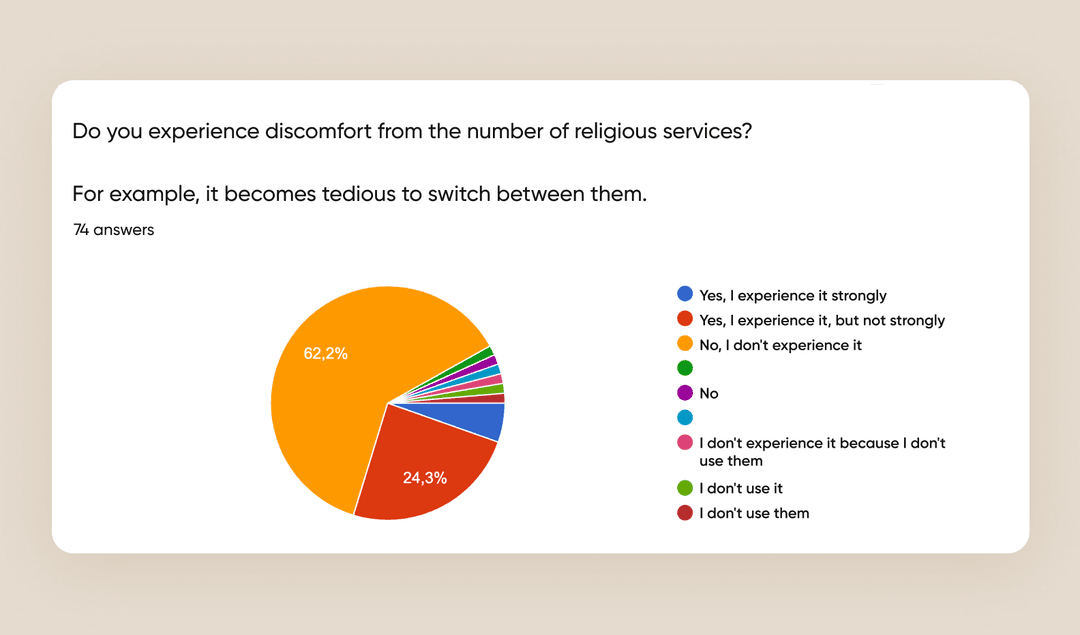
We calculated unit economics and tested pricing models. Then, we gave the client a clear view of the app’s financial viability. The application had the potential to be profitable, but only a very narrow segment of users needed it. Testing another hypothesis — the search for halal products — showed similar results.
We recommended the client not to develop this product.
The research cost $3,000 but saved the client over $150,000 by avoiding a likely failed app. More importantly, it revealed the target market’s preferences and pain points, helping the client to pivot effectively.
Project estimation revolves around three main components: scope, time, and cost. These elements are interdependent and crucial for the successful planning and execution of any project.
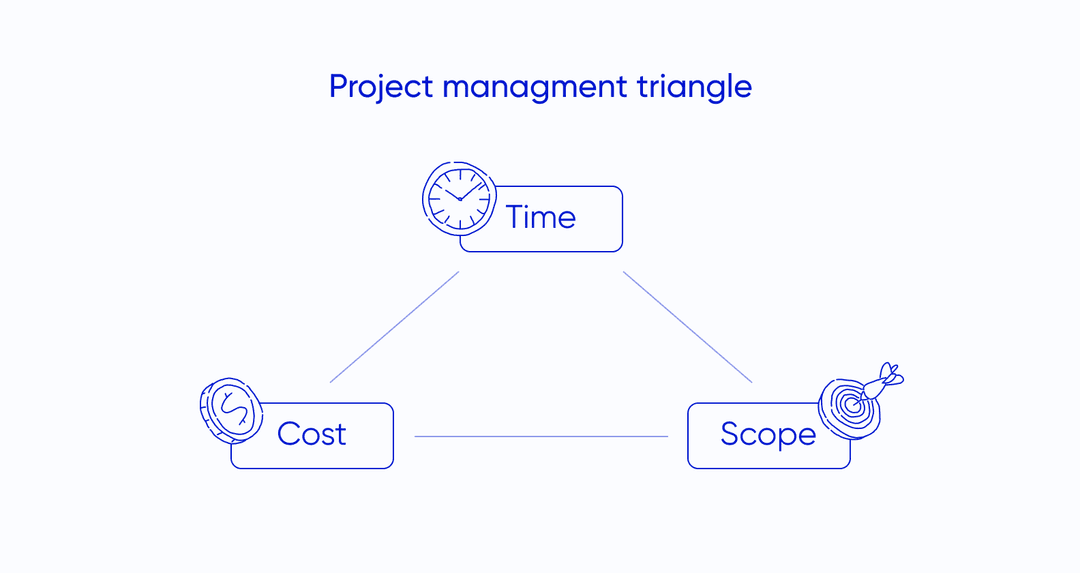
Scope: the boundaries of the project, including its objectives, deliverables, and requirements. It answers the question, “What needs to be done?” The scope of a mobile app will include making a list of specific features, like user authentication, payment integration, and push notifications.
Time: predicting how long it will take to make an app. This includes estimating the duration of each task and setting a realistic timeline for the entire project. It also allows identifying potential bottlenecks that can delay the project.
Cost: the financial resources required to complete the project. It covers expenses for hiring developers, purchasing development tools, and conducting user testing.
Here are six popular project estimation techniques that can help you plan effectively.
With the top-down estimation technique, you start with a high-level overview and break it down into smaller components.
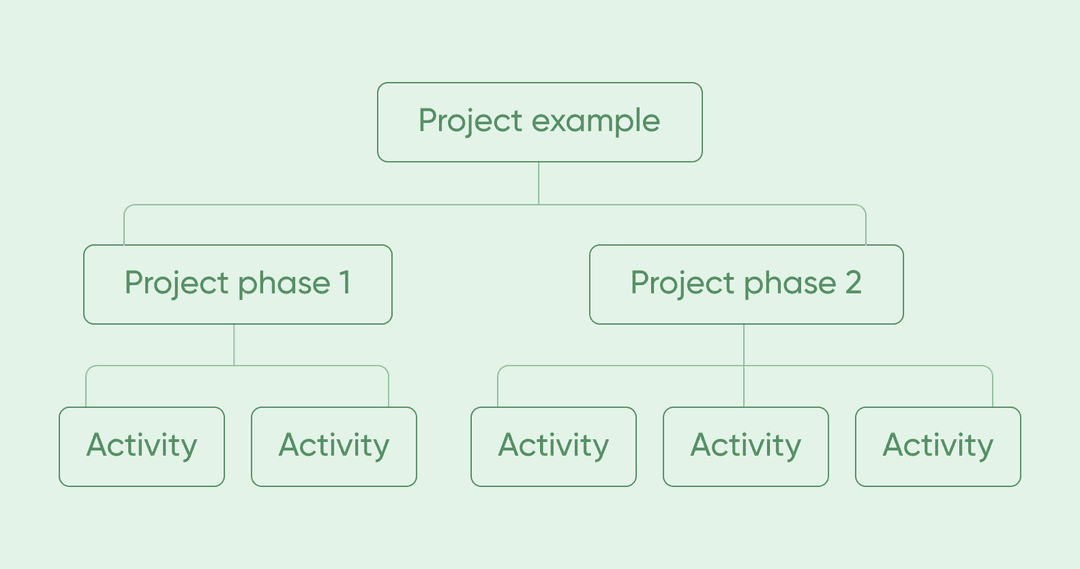
Top-down estimation is quick and efficient, ideal for early project planning when details are scarce. It is useful for projects with clear past examples or extensive historical data and helps set the initial budget.
However, it can miss important details, leading to errors in scope, time, and cost. Additionally, it may overlook specific risks and challenges, potentially causing time and budget overruns.
The bottom-up estimation starts with detailed estimates of individual tasks and then joins them into the total project estimate. This method requires breaking the project into smaller, manageable parts called work packages.
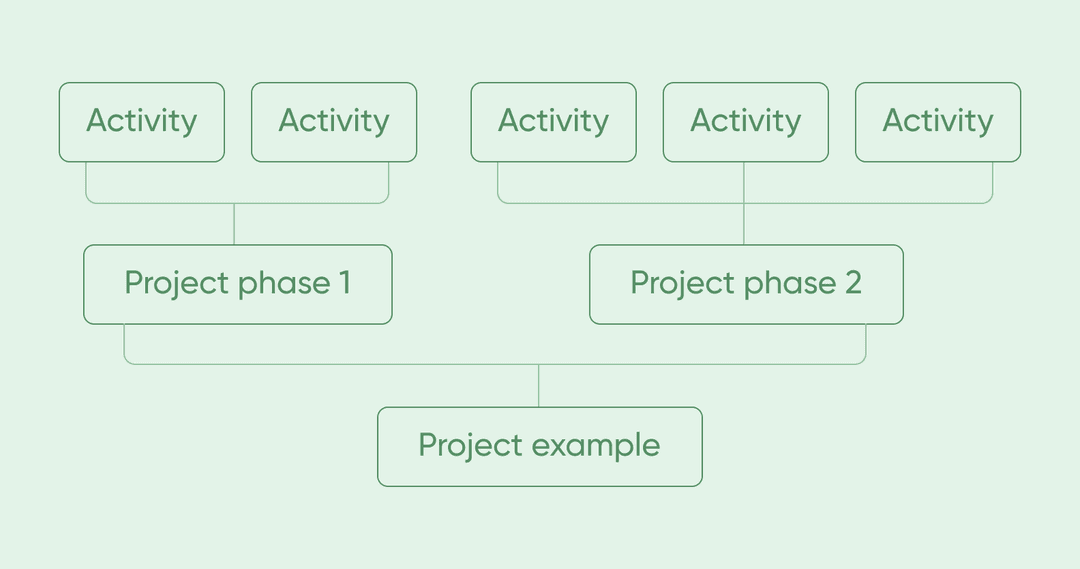
Bottom-up estimation allows a thorough understanding of the project’s requirements and potential challenges. This method also has better resource allocation and risk management.
This level of detail might not be practical in the early stages of planning. It can also lead to overestimation, as each task might include extra time that adds up to a larger overall project estimate.
In analogous or comparative estimation, you base your predictions on comparing the project to similar past projects. This technique relies on historical data and expert judgment to make an informed final estimate.
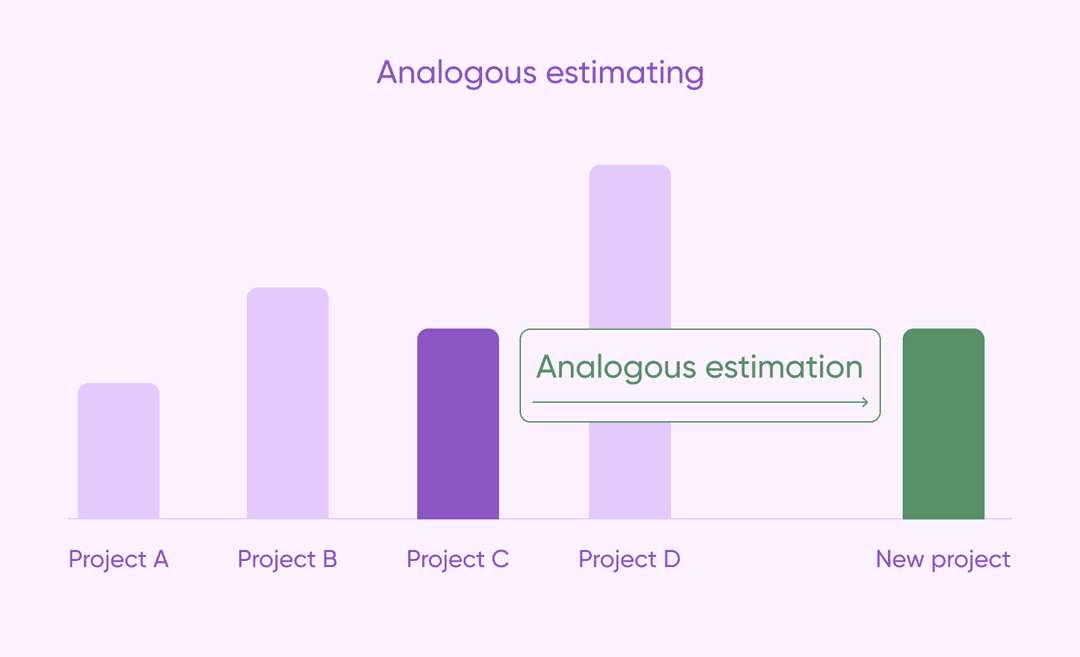
It is relatively quick and easy to do and is particularly useful for organizations with a rich history of similar projects.
However, if the past project data is insufficient, the estimates can be misleading. This method may also overlook unique aspects and specific challenges of the current project, leading to potential inaccuracies.
Parametric estimation uses mathematical models and statistical relationships. This project estimation technique identifies key project parameters and uses historical data to create a formula that links these parameters to project costs and durations.
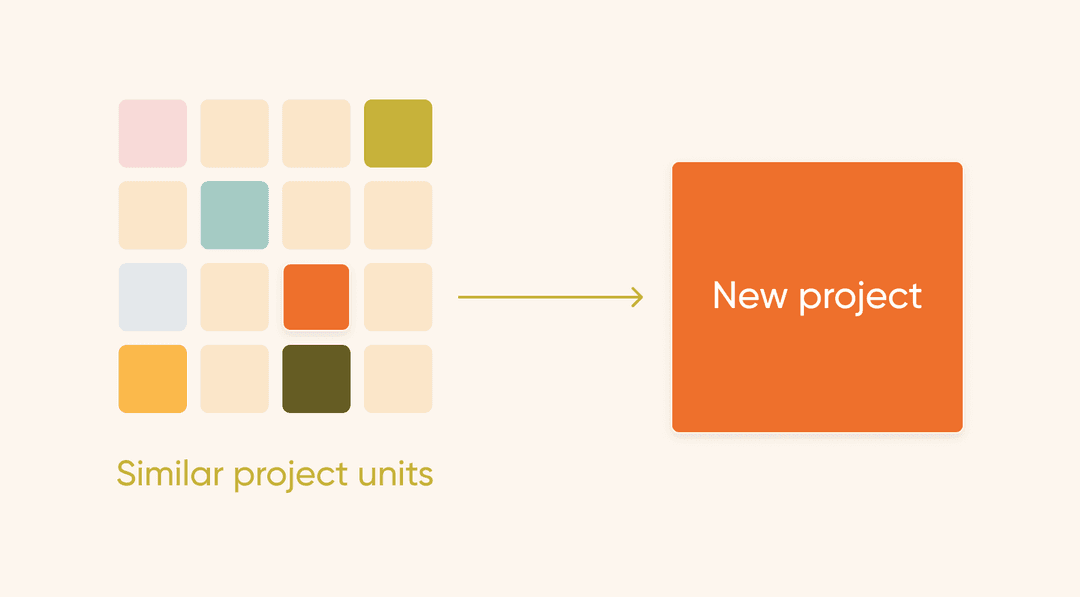
Parametric modeling is highly systematic and can provide accurate and consistent estimates. On the one hand, it allows for quick adjustments and scalability, making it useful for projects of varying sizes and complexities. On the other hand, developing the mathematical models requires expertise and can be time-consuming.
When you use expert estimation, you interview people with a lot of experience in the field. These experts use their judgment, intuition, and expertise to give estimates based on their knowledge of the project.
Expert estimation is highly flexible and can be applied to any project, regardless of its size or complexity. However, the accuracy of expert estimation can vary significantly, depending on the expertise and biases of the individuals you talk to. It’s subjective, which can lead to inconsistencies and potential inaccuracies.
The three-point estimation considers three scenarios: best-case (optimistic), worst-case (pessimistic), and most likely estimates. This method aims to provide a balanced and realistic estimate by accounting for uncertainty and variability in project tasks.
Start by estimating the “Optimistic,” “Most likely,” and “Pessimistic” scenarios. Then, take those numbers and use this formula:
E = (o + 4m + p)/6
For example, if you estimate:
Then, the three-point estimate will be:
(10 + 4*15 + 40)/6 = 18.33 days
Also, here’s how it would look on a graph:
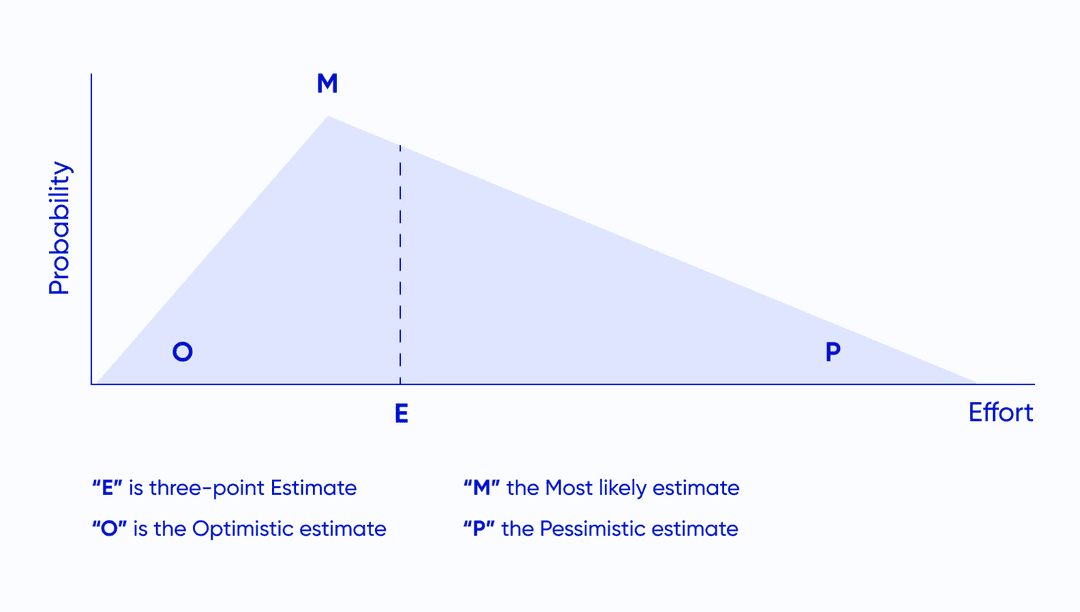
It encourages thorough task analysis, leading to more accurate estimates. It also helps communicate better with stakeholders by showing a range of possible outcomes instead of one figure.
However, this method may introduce complexity in project planning and management, as it requires balancing and interpreting multiple estimates.
Choosing the best estimation technique for a project depends on several factors:
But remember, you’ll have to use a combination of them if you want the best result.
At Purrweb, we use various project estimation methods. For instance, when Fintarget approached us to design a stock trading app, we combined an analogous method with expert estimation to leverage our experience.
In other projects, where time and resources are limited, like Petbuddy, we opted for a combination of expert and top-down approaches to single out the most necessary features but get the job done on time.
Depending on the project priorities, you will choose a different approach. Based on the benefits and limitations of each technique, here are our recommendations:
| Factor | High priority | Low priority |
| Project complexity | Bottom-up
Expert |
Top-down
Analogous |
| Available data | Parametric
Analogous |
Expert
Three-point |
| Time | Bottom-up | Top-down
Analogous |
| Resources | Bottom-up | Top-down
Analogous |
| Requirements | Bottom-up
Expert |
Expert
Three-point |
| Budget | Bottom-up | Top-down
Analogous |
To get the most accurate project estimates, use a mix of different estimation techniques. You can check results against each other, reduce the weaknesses of single approaches, and understand potential project outcomes better.
Here are six essential steps in the project estimation process, with some extra tips at the end.
First, outline the project’s objectives, deliverables, success criteria, and client expectations. This step ensures all stakeholders understand what the project aims to achieve and what is needed for success.
| Scope element | What to do? | Example |
| Objectives | Clearly state the primary goals of the project. These should be specific, measurable, achievable, relevant, and time-bound. The SMART technique will help you formulate these goals. | Develop and launch a mobile application within nine months that uses customer data to provide personalized product recommendations. Aim to increase customer engagement metrics by 20% within six months post-launch. |
| Deliverables | List the tangible and intangible outputs that the project will produce. | A fully functional mobile application, user manuals, training sessions, and a maintenance plan. |
| Success criteria | Define the metrics and standards that will be used to determine if the project has met its objectives. | The application should have a 99.9% uptime, achieve a user satisfaction score of 4.5 out of 5, and increase customer engagement by 20% within six months of launch. |
When we work with our clients, we have an initial list of questions that we use to gather information. The important thing to remember is that this is the starting point. Since every project is unique — the list of questions is always different too, and the final version will be made up as the process continues.
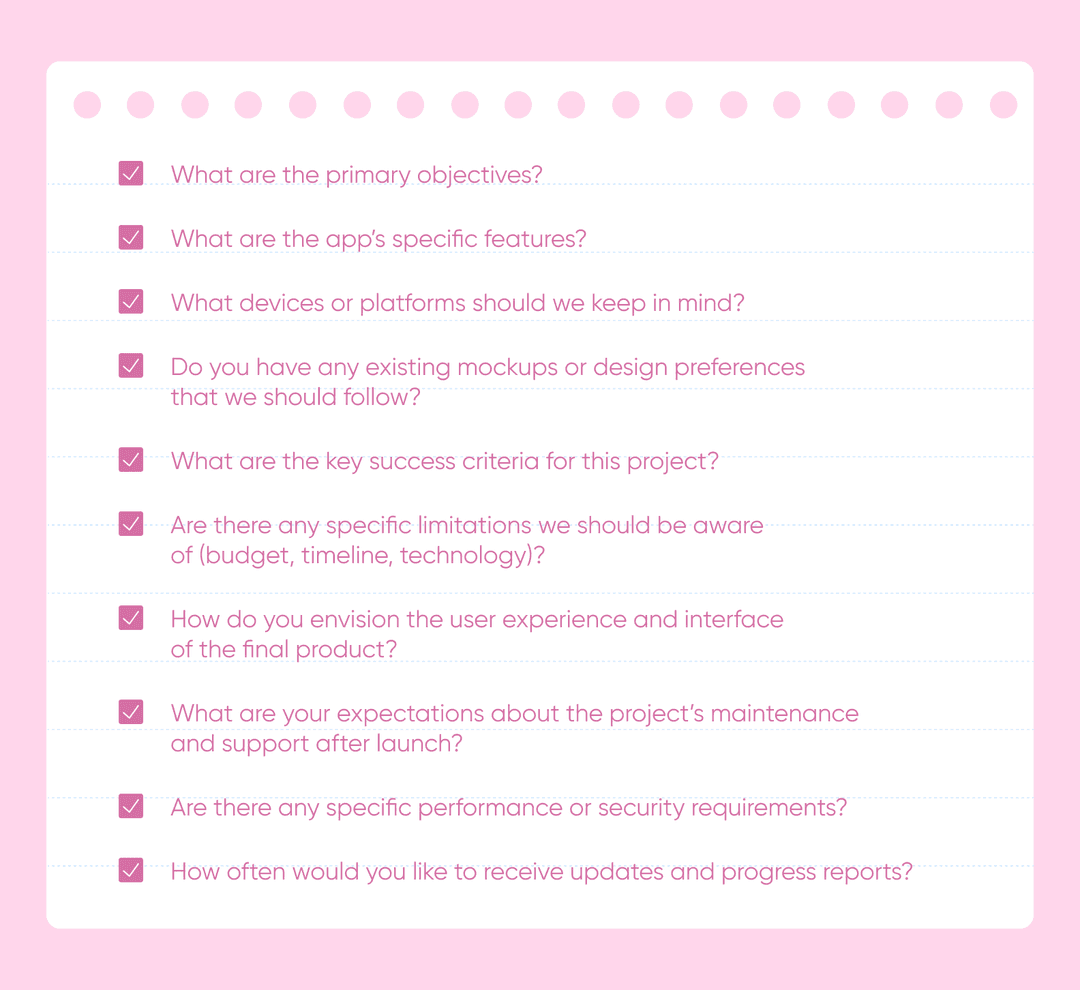
Start by looking at the timelines of previous projects. For example, if you managed an app redesign last year, check how long each task took. Did the market research drag on? Was there a delay in wireframing? Understanding these details helps you avoid similar pitfalls in your current project.
Next, examine the budget and actual costs of past projects. Maybe your last project went over budget because of unexpected software costs. Or perhaps you saved money by finding a cheaper supplier. Knowing these discrepancies helps you plan better financially.
Also, examine how resources were allocated. Did you have too many developers but not enough designers? These insights can help you balance your team and resources more effectively.
Look for recurring trends. For instance, if you notice that testing always takes longer than expected, you can allocate more time for it in your new project. Spotting these patterns helps you anticipate and mitigate issues before they arise.
Based on your analysis, identify areas for improvement. Maybe you can streamline a process, better allocate resources, or tighten cost controls. Implementing these changes can lead to more accurate estimates and smoother project execution.
You need to know what your competitors are up to. Answer these questions:
This helps you spot opportunities to do something better or different. Maybe your competitors’ apps are slow, and you can focus on speed. Or perhaps they lack a key feature that users are asking for.
Look at the big picture, too: How big is the market for your software? Is it growing or shrinking?
For instance, if you’re developing a new project management tool, you’ll want to know if there’s a rising demand for such tools. Check out industry reports, news articles, and market research.
📌
This all comes down to a process called a project discovery phase. The goal is to validate your product idea and make sure it meets the needs of your target audience.
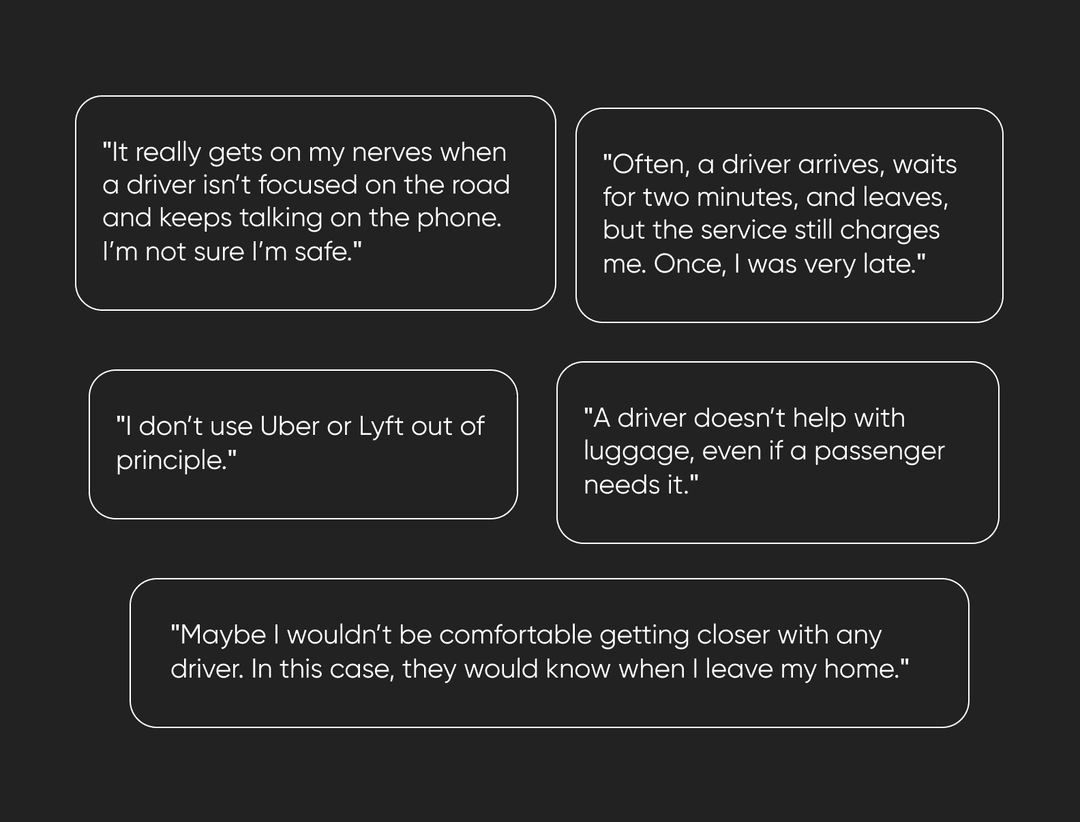
When analyzing the potential of a taxi aggregator, we started by interviewing potential customers to understand their needs and preferences. They talked about their ride experience, the solutions they use for long-distance trips, and the downsides of the taxi services. Then, we analyzed unit economics and provided the client with a complete report on the potential project’s success.
Breaking down the work structure is like turning a big puzzle into smaller, manageable pieces. It starts with identifying the major components of your project.
The major parts of an app include user interface design, backend development, testing, and deployment. Each of these components can be further broken down into smaller tasks or features. For instance, UI design can be divided into tasks like creating wireframes, designing mockups, and developing the frontend code.
To organize and define the total project’s scope, create a Work Breakdown Structure (WBS). The WBS is like a roadmap that shows all the work that needs to be done. It’s a hierarchical project decomposition into phases, deliverables, and work packages.
For example, the top level of your WBS might be the project itself. The next level could be the major components like design, development, and testing. Levels below that could be the individual tasks and subtasks.
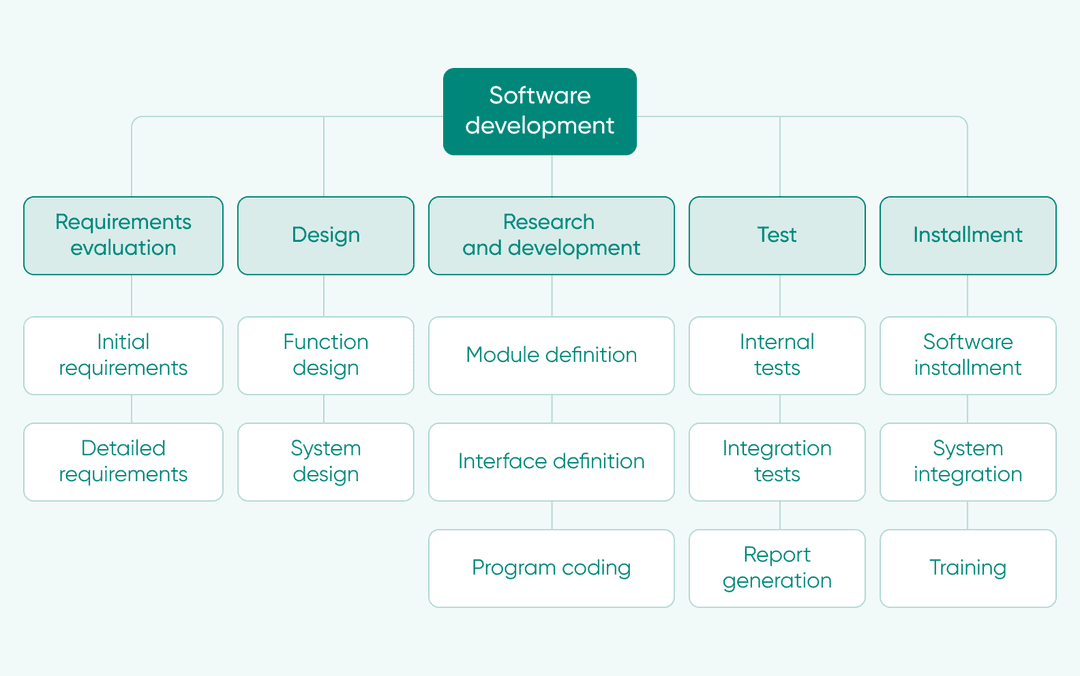
The WBS helps in assigning responsibilities, tracking progress, and identifying potential risks. For instance, by looking at the WBS, you can see which tasks depend on others and plan accordingly to avoid bottlenecks. It also helps to ensure that no part of the project is overlooked and that everyone on the team knows exactly what they need to do and when.
This decomposition helps you understand the scope of work more clearly. When you break down the project into smaller tasks, it becomes easier to estimate the time, cost, and resources needed for each part.
This involves determining the budget, assessing the team, and estimating the project duration.
Budget. Costs for materials, equipment, software, and any other expenses. Consider the cost of development tools, licenses, and any third-party services. Don’t forget to include both direct costs, like labor and materials, and indirect costs, such as overhead and contingency funds. For example, if you anticipate needing additional server space, factor that into your budget.
Team. The availability and skills of your project team, key roles, and responsibilities. Consider the workload and availability of each person to avoid overburdening them. For example, if one of your developers is already committed to another project, you might need to adjust their workload or bring in additional help.
Duration. Time required to complete the project. Break down the project into smaller tasks and estimate the time needed for each task. Then, you can create a realistic schedule and keep track of the completed tasks.
Assembling a team begins with pinpointing the essential roles for your project. For app development, you will need these people:
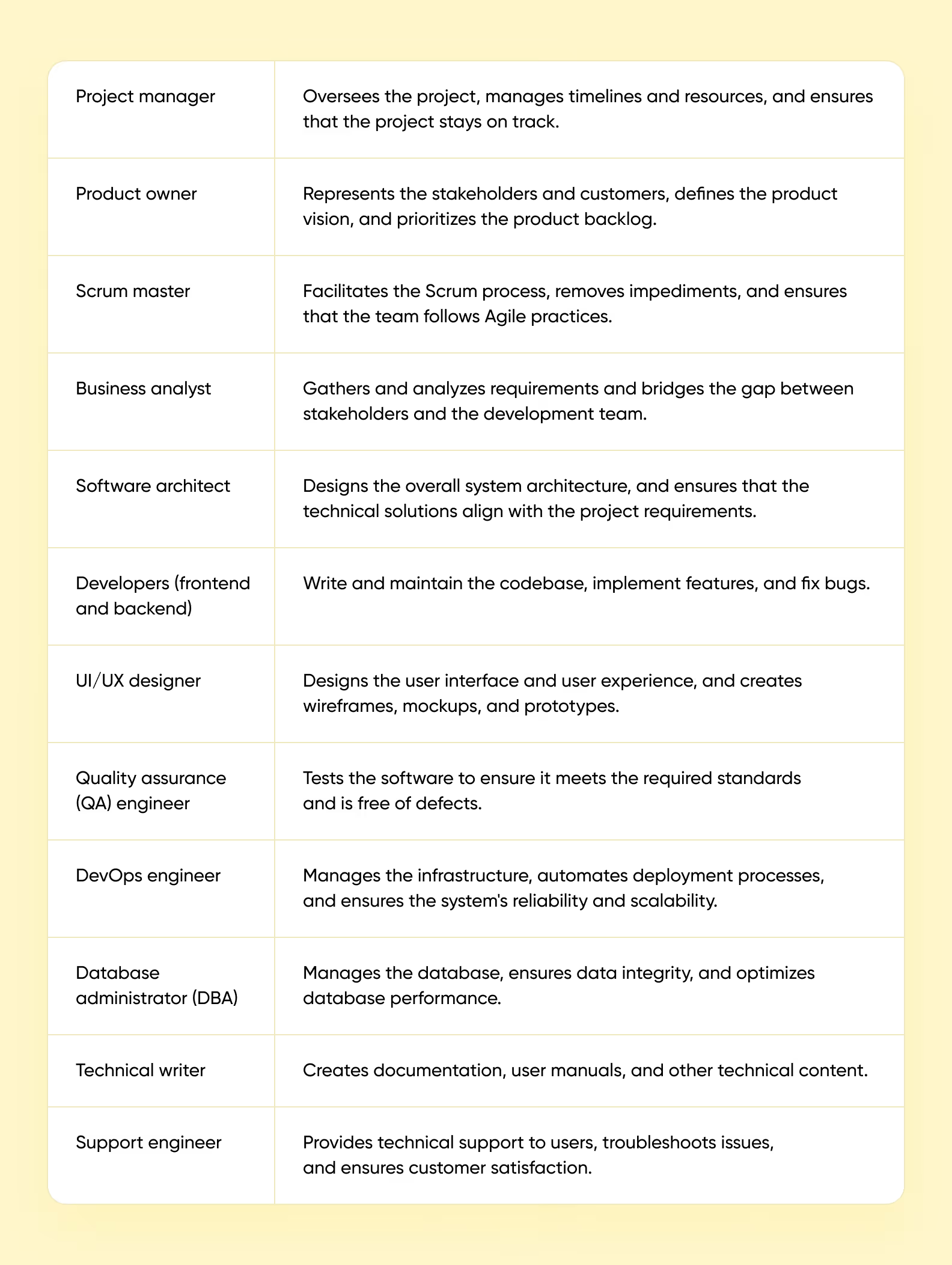
Next, fill in these positions. Don’t just focus on technical skills; soft skills like communication, problem-solving, and teamwork are equally important. A well-rounded team is one that can collaborate effectively and adapt to challenges.
Alternatively, you can get an outsourced team to complete the project for you. It often leads to cost savings, as you can avoid the expenses associated with hiring and training new employees. Outsourcing can increase efficiency and speed up project timelines, as external teams are typically experienced in handling similar projects and can hit the ground running.
To ensure everyone understands their role, organize a kickoff meeting. During this meeting, outline the project goals, timelines, and individual responsibilities. This sets clear expectations and fosters a sense of ownership among team members.
Projects often face delays due to resource unavailability, technical challenges, or external dependencies. To reduce these delays, identify risks early and make backup plans. This includes having backup resources, flexible schedules, and clear communication channels to address issues promptly.
Create a realistic project schedule with buffer time for unforeseen issues. For example, if you estimate that a task will take two weeks, add a few extra days as a buffer to account for any unexpected problems.
Allocate an additional 15-20% of the total project time specifically for testing. This extra time allows for thorough testing, including unit tests, integration tests, system tests, and user acceptance tests. Proper testing helps find and fix defects early, reducing the risk of major issues after deployment.
Start by carefully documenting all the estimates made during the project planning phase. Make sure to clearly record all assumptions and detail the methods used for estimation. This documentation acts as a reference point and helps maintain consistency and accountability throughout the project.
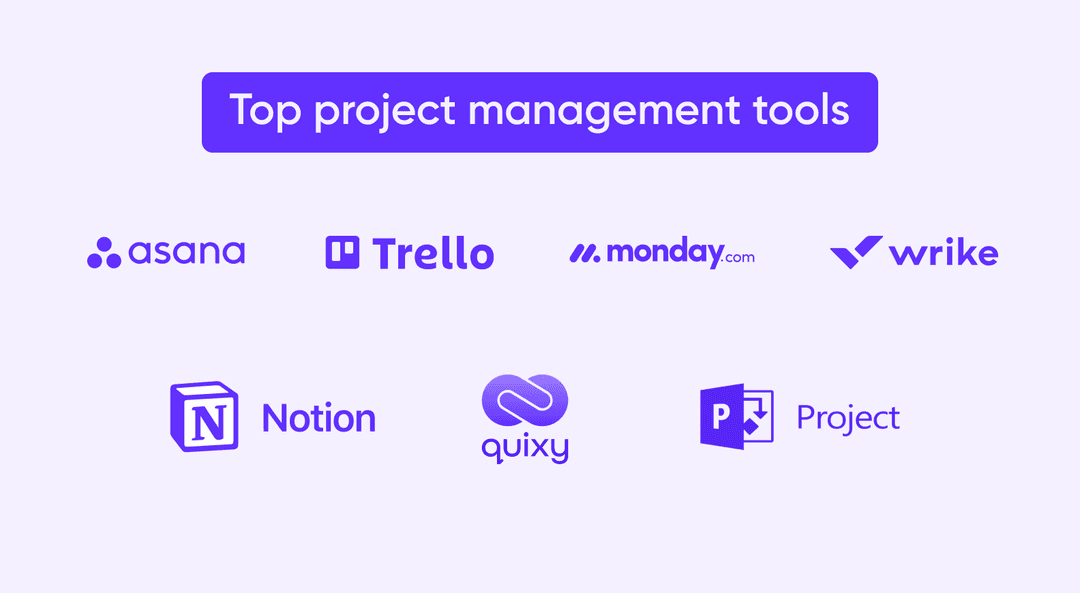
Use project management tools to organize and track all this documented information. Tools like Microsoft Project, Notion, Trello, or Asana can help create a centralized place for all project-related data. They offer features for tracking progress, managing tasks, and identifying potential issues early on.
As the project moves forward, you’ll gather new information and insights. Regularly review your initial estimates and adjust them to reflect any changes in scope, resources, or timelines. Include feedback from team members and stakeholders, as well as lessons learned from ongoing project activities.
Ensure all estimates are realistic and achievable. Check your estimates against actual project performance and adjust as needed. Regularly compare estimated time, cost, and resources with exact figures to spot differences. If you find big deviations, reassess your project plan and make corrections to stay on track.
When we helped develop a fitness app, our first estimation was 1,200 hours to complete the project. As we progressed, design complications increased this number to 2,000 hours, and we had to adjust the calculations.
By learning different project estimation techniques and knowing when to use them, you can ensure projects are completed on time, within budget, and meet stakeholder expectations.
➡️ Need help with project estimation? Contact us through the form, and we’ll do the rest!
Fixed-price contracts lock the budget and scope upfront — estimation errors fall on the vendor. Time-and-materials (T&M) contracts bill actual hours and costs, shifting budget risk to the client but allowing scope to evolve. For well-defined projects with stable requirements, fixed-price gives budget certainty. For products with unclear or changing requirements, T&M reduces the need to over-estimate as a safety buffer and typically produces more realistic initial estimates.
The most common software estimation techniques are: top-down (estimate the whole, then divide), bottom-up (estimate each task, then sum), analogous estimation (compare to a similar past project), parametric estimation (use a formula based on measurable attributes), expert judgment (rely on specialist experience), and three-point estimation (average an optimistic, pessimistic, and most-likely scenario). Agile teams often add planning poker and story-point velocity as a calibration layer on top of these.
Research consistently shows software estimates are optimistic. The Standish Group's CHAOS reports find that roughly 45–50% of software projects overrun their original budget, and schedule overruns average 30–40% beyond the initial estimate. Accuracy improves significantly the closer an estimate is made to implementation: estimates produced after requirements are finalized are typically 2–3× more reliable than ballpark figures given at discovery stage.
The four main cost estimation types are: (1) Analogous — based on the cost of a comparable past project; (2) Parametric — calculated from a statistical model using variables like lines of code or function points; (3) Bottom-up (Engineering) — each work package is estimated individually and summed; (4) Actual Costs — using real invoiced data from a previous identical deliverable. In practice, most software teams combine analogous and bottom-up methods at different stages of planning.
The 50/90 technique asks estimators to provide two figures for each task: a "50% estimate" — the number of hours they expect to hit at least 50% of the time — and a "90% estimate" — the number they are confident of hitting even under unexpected conditions. The spread between the two reveals estimation uncertainty. A wide gap signals high risk; a narrow gap signals well-understood work. Teams use both figures to build realistic buffers rather than padding a single number arbitrarily.
Effective estimates involve at minimum: a product owner or business analyst (defines scope and priorities), a tech lead or senior developer (assesses technical complexity), a QA engineer (adds testing and bug-fix buffer), and a project manager (accounts for coordination, risk, and contingency). Estimates produced by developers alone tend to undercount integration and review cycles; estimates produced by managers alone tend to undercount technical debt and edge cases. Both perspectives are needed for a reliable figure.
Story points are a relative unit used in agile teams to measure effort, complexity, and uncertainty — not hours. A team assigns points (often on a Fibonacci scale: 1, 2, 3, 5, 8, 13) to each user story based on how it compares to a reference task. Once a team tracks their average "velocity" — story points completed per sprint — points can be converted to time and cost. For example, if a team delivers 30 points per two-week sprint at a known hourly rate, a backlog of 120 points translates to roughly 8 weeks and a calculable budget.


.svg)